
Quick & Easy Recipes for Everyday Cooks
Welcome to Food By Ayaka!
Spicy Korean Tofu Stir-Fry Recipe
Making this Spicy Korean Tofu Stir-Fry is a wonderful way to enjoy a healthy and colorful meal without spending hours in the kitchen. The combination of firm tofu, vibrant vegetables, and the spicy, slightly sweet gochujang sauce makes every bite exciting. While tofu can sometimes be bland on its own, marinating it in this sauce and stir-frying it with crisp vegetables is simple, quick, and incredibly satisfying. The dish balances heat, sweetness, and savory flavors in perfect harmony, and it’s a great way to bring a taste of Korea into your home.
Making these stir-fry dinners might sound intimidating if you’ve never worked with tofu, but cooking tofu in a hot pan to get a golden, slightly crispy exterior is surprisingly easy. The key is to pat it dry before marinating and not overcrowd your pan while cooking. In just under 40 minutes, you can go from raw ingredients to a full, vibrant dinner that’s both nourishing and comforting. The best part is that it doesn’t require fancy ingredients or complicated steps, making it approachable for beginner cooks and a reliable weeknight option.
I have made this recipe countless times, and I use firm tofu, fresh vegetables, and gochujang paste for that classic Korean flavor. Always remember to taste your sauce before cooking, because adjusting the spice or sweetness will make a big difference. I also like to prepare my vegetables in advance and keep the tofu cubes uniform, which makes cooking faster and ensures everything cooks evenly. This approach saves time and helps me enjoy a flavorful dinner without stress.
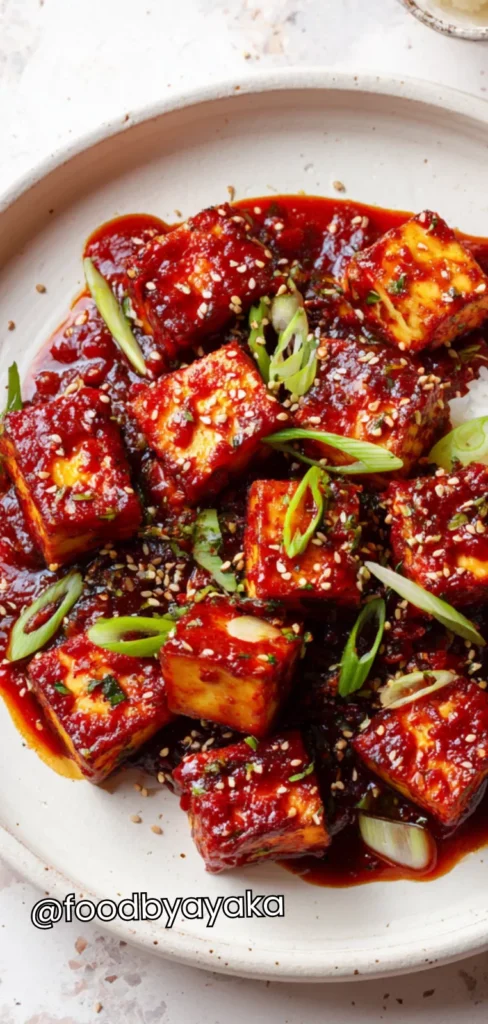
You can serve this stir-fry over steamed rice, some soft noodles, or even on quinoa for a different texture. It pairs beautifully with simple sides like kimchi, a light cucumber salad, or roasted edamame. Adding a few sesame seeds on top not only looks pretty but adds a nutty crunch that elevates the dish. A drizzle of extra sauce or a squeeze of lime juice can enhance flavors just before serving.
Its Perfect For:
- Quick weeknight dinners that need minimal prep
- Healthy lunches with high protein and fresh vegetables
- Family meals where everyone enjoys bold flavors
- Dinner parties where you want something colorful and unique
- Meal prep for the week with easy reheating
Ingredients
For the Tofu and Marinade:
- 1 block (14 oz) firm tofu, drained and cut into 1-inch cubes
- 2 tablespoons soy sauce
- 1 tablespoon gochujang (Korean red chili paste)
- 1 tablespoon sesame oil
- 1 teaspoon sugar or honey
- 1 teaspoon rice vinegar
- 2 cloves garlic, minced
- 1/2 teaspoon freshly grated ginger
For the Vegetables:
- 1 medium carrot, thinly sliced into matchsticks
- 1 small zucchini, sliced into half-moons
- 1 bell pepper (red or yellow), sliced into strips
- 1 small onion, thinly sliced
- 2 green onions, chopped (for garnish)
- 1 tablespoon sesame seeds (for garnish)
For Stir-Frying:
- 2 tablespoons vegetable oil
- Optional: cooked rice or noodles, for serving
Kitchen Equipment You’ll Need
- Large non-stick or cast-iron skillet for stir-frying
- Medium mixing bowls for marinating tofu
- Whisk or fork for combining sauce ingredients
- Knife and cutting board for chopping vegetables
- Measuring spoons and cups
- Spatula for turning tofu
- Serving platter or bowls
How to Make Spicy Korean Tofu Stir-Fry
Step 1
Prepare the tofu: Drain the tofu and gently pat it dry with paper towels to remove excess moisture. This ensures the tofu will crisp up nicely when fried and absorb more flavor from the marinade. Cut into 1-inch cubes, trying to keep the pieces uniform for even cooking.
Step 2
Make the marinade: In a medium bowl, whisk together soy sauce, gochujang, sesame oil, sugar, rice vinegar, garlic, and ginger until smooth. Taste and adjust for spice or sweetness as desired.
Step 3
Marinate the tofu: Gently toss the tofu cubes in the marinade, making sure each piece is evenly coated. Let it sit for at least 10 minutes while you prep the vegetables. The longer it marinates, the more flavorful it becomes.
Step 4
Prepare the vegetables: Slice the carrot, zucchini, bell pepper, and onion into uniform sizes for quick and even cooking. Having the vegetables prepped before starting the stir-fry ensures everything cooks at the right pace.
Step 5
Cook the tofu: Heat 2 tablespoons of vegetable oil in a large non-stick or cast-iron skillet over medium-high heat. Once hot, carefully add the tofu cubes in a single layer. Cook for 3–4 minutes on each side until golden and slightly crisp. Remove tofu from the pan and set aside.
Step 6
Stir-fry the vegetables: In the same pan, add a little more oil if needed. Add the onion first and cook for 1–2 minutes until slightly softened. Then add carrot, zucchini, and bell pepper, stir-frying for 3–4 minutes until tender but still crisp.
Step 7
Combine tofu and sauce: Return the tofu to the pan with the vegetables. Pour any leftover marinade over the mixture and toss gently to coat everything evenly. Cook for an additional 2–3 minutes, allowing the flavors to meld and the sauce to slightly thicken.
Step 8
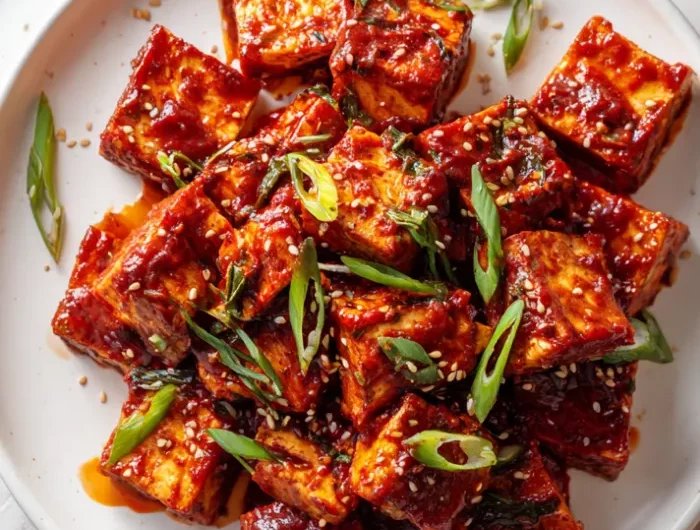
Garnish and serve: Transfer to a serving plate and sprinkle with chopped green onions and sesame seeds. Serve immediately with steamed rice or noodles to soak up the spicy, savory sauce. The combination of crisp tofu, tender vegetables, and spicy gochujang flavor makes this a satisfying and colorful meal.
Tips for Best Spicy Korean Tofu Stir-Fry
- Pat the tofu dry before marinating. Moisture prevents crisping and can make the stir-fry soggy. Gently press with paper towels and give it a few minutes to air-dry.
- Don’t overcrowd the pan while cooking tofu. Each piece should have space to crisp. Work in batches if necessary.
- Taste your sauce before cooking. Adjust sweetness or spice for your preference. A balanced sauce makes a big difference in flavor.
- Slice vegetables evenly so they cook at the same rate and remain tender-crisp. Thicker pieces take longer, so uniformity is key.
- Use medium-high heat for stir-frying. This gives the vegetables a nice sear without burning the tofu. Keep stirring frequently for even cooking.
- Add sauce at the end of cooking. This prevents vegetables from overcooking and keeps the flavors fresh. Toss gently to coat everything evenly.
- Garnish just before serving with green onions and sesame seeds to maintain color and texture. Fresh garnishes make the dish look vibrant and taste fresher.
Optional Ingredients
- Mushrooms for extra umami
- Baby spinach or bok choy for more greens
- Red chili flakes for additional heat
- Toasted peanuts or cashews for crunch
- Soy sauce alternatives like tamari for gluten-free
- Rice vinegar for a tangy twist
How to Serve Spicy Korean Tofu Stir-Fry
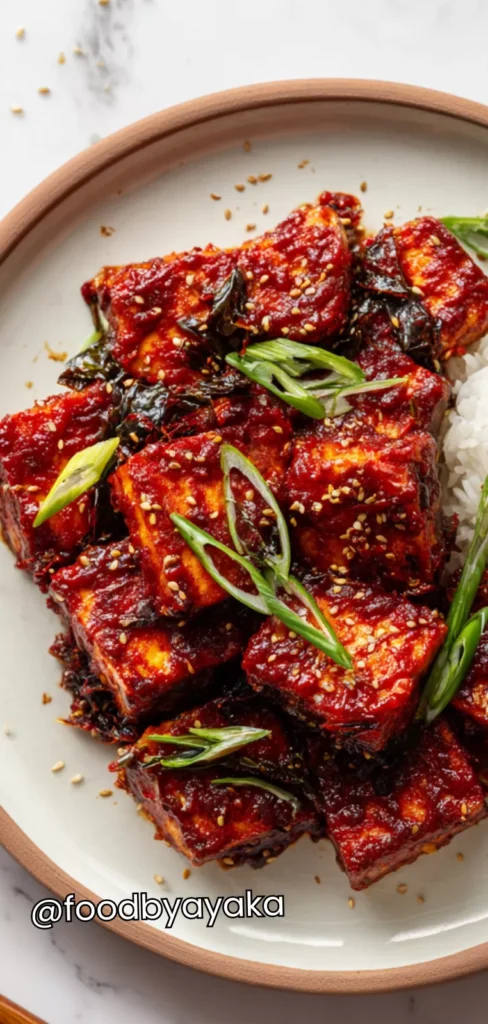
I like to serve this dish over a bed of fluffy steamed rice, letting the sauce soak into the grains for a comforting, hearty meal. The rice helps balance the spiciness of the gochujang and makes each bite filling. For extra flavor, I sometimes drizzle a little sesame oil over the rice before adding the stir-fry.
I also enjoy serving it with noodles, such as udon, soba, or even rice noodles. Tossing the tofu and vegetables with the noodles allows the sauce to coat everything evenly, giving a perfectly balanced bite with every forkful. You can also add a few extra vegetables like spinach or bok choy to make it a noodle bowl packed with color and nutrients.
For meal prep or family-style meals, I often portion the stir-fry into containers with a side of kimchi, roasted edamame, or a simple cucumber salad. Before eating, I add a sprinkle of toasted sesame seeds and chopped green onions. A quick squeeze of lime juice or a drizzle of soy sauce can brighten the flavors, making leftovers taste freshly made. It’s also fun to serve it with a side of lightly pickled vegetables for a crunchy contrast to the tender tofu and sautéed vegetables.
Is Spicy Korean Tofu Stir-Fry Healthy?
Absolutely. This dish is packed with plant-based protein from tofu, while the vegetables provide fiber, vitamins, and antioxidants. The use of a small amount of oil and a flavorful sauce keeps it low in saturated fat and calories.
By controlling the amount of sugar and sodium in the sauce, you can make it a heart-healthy, balanced meal. Gochujang paste adds depth without extra fat, and the colorful vegetables contribute essential nutrients that make it a well-rounded dinner choice.
Variations and Substitutions
- Tempeh Stir-Fry: Swap tofu for tempeh for a nuttier taste. Marinade and cooking steps remain the same.
- Chicken Version: Use diced chicken breast for a non-vegetarian option. Cook longer until chicken is fully done.
- Spicy Peanut Sauce: Add peanut butter to the sauce for a creamy, nutty flavor twist.
- Extra Crunch: Toss in cashews or almonds before serving for added texture and taste.
- Vegetarian Mix: Include broccoli, snap peas, and mushrooms for a nutrient-packed version.
- Low-Sodium: Use tamari instead of soy sauce and reduce sugar for a lighter version.
- Sweet Twist: Add pineapple chunks for a sweet-spicy balance that pairs well with the gochujang sauce.
- Noodle Bowl: Serve over soba or rice noodles with extra broth to make it a saucy noodle dish.
How to Store, How to Reheat
To store, place the tofu stir-fry in an airtight container in the fridge. It keeps well for up to 3 days. Store the rice or noodles separately to avoid sogginess and maintain the tofu’s crisp texture.
To reheat, gently warm in a skillet over medium heat. Add a splash of water or soy sauce to loosen the sauce. Stir occasionally to ensure tofu and vegetables are heated evenly without losing texture. Reheating slowly preserves flavor and prevents the tofu from drying out.
Frequently Asked Questions About Spicy Korean Tofu Stir-Fry
Can I use soft tofu instead of firm?
Soft tofu can be used, but it’s much more delicate and may fall apart during stir-frying. Firm or extra-firm tofu holds its shape and crisps nicely on the outside while staying tender inside. If you only have soft tofu, consider gently pan-searing it in a non-stick pan and handle it very carefully when tossing with vegetables.
How spicy is this dish?
The spice level depends on the gochujang you use. Standard gochujang is moderately spicy with a touch of sweetness. If you like milder dishes, start with less paste and adjust gradually. For extra heat, you can add a pinch of red chili flakes or a fresh sliced chili when stir-frying. The flavor develops as the tofu absorbs the sauce.
Can I make it gluten-free?
Yes! Simply use tamari or a gluten-free soy sauce instead of regular soy sauce. Make sure your gochujang is also gluten-free, as some brands include wheat. This simple substitution allows you to enjoy the authentic Korean flavor without worrying about gluten.
Can I freeze leftovers?
Freezing is not ideal because tofu changes texture and vegetables may become mushy. However, if necessary, you can freeze the tofu separately from the vegetables. Thaw in the fridge and reheat gently in a skillet, adding a splash of water or sauce to refresh the texture. Freshly cooked stir-fry always tastes best.
Spicy Korean Tofu Stir-Fry Recipe
Course: Main CourseCuisine: Korean / AsianDifficulty: MediumServings
4
servingsPrep time
20
minutesCooking time
20
minutesLearn how to make Spicy Korean Tofu Stir-Fry with crispy tofu, fresh vegetables, and a bold gochujang sauce. Easy, healthy, and perfect for weeknight dinners or meal prep.
Ingredients
For the Tofu and Marinade:
1 block (14 oz) firm tofu, drained and cut into 1-inch cubes
2 tablespoons soy sauce
1 tablespoon gochujang (Korean red chili paste)
1 tablespoon sesame oil
1 teaspoon sugar or honey
1 teaspoon rice vinegar
2 cloves garlic, minced
1/2 teaspoon freshly grated ginger
For the Vegetables:
1 medium carrot, thinly sliced into matchsticks
1 small zucchini, sliced into half-moons
1 bell pepper (red or yellow), sliced into strips
1 small onion, thinly sliced
2 green onions, chopped (for garnish)
1 tablespoon sesame seeds (for garnish)
For Stir-Frying:
2 tablespoons vegetable oil
Optional: cooked rice or noodles, for serving
Directions
- Prepare the tofu: Drain the tofu and gently pat it dry with paper towels to remove excess moisture. This ensures the tofu will crisp up nicely when fried and absorb more flavor from the marinade. Cut into 1-inch cubes, trying to keep the pieces uniform for even cooking.
- Make the marinade: In a medium bowl, whisk together soy sauce, gochujang, sesame oil, sugar, rice vinegar, garlic, and ginger until smooth. Taste and adjust for spice or sweetness as desired.
- Marinate the tofu: Gently toss the tofu cubes in the marinade, making sure each piece is evenly coated. Let it sit for at least 10 minutes while you prep the vegetables. The longer it marinates, the more flavorful it becomes.
- Prepare the vegetables: Slice the carrot, zucchini, bell pepper, and onion into uniform sizes for quick and even cooking. Having the vegetables prepped before starting the stir-fry ensures everything cooks at the right pace.
- Cook the tofu: Heat 2 tablespoons of vegetable oil in a large non-stick or cast-iron skillet over medium-high heat. Once hot, carefully add the tofu cubes in a single layer. Cook for 3–4 minutes on each side until golden and slightly crisp. Remove tofu from the pan and set aside.
- Stir-fry the vegetables: In the same pan, add a little more oil if needed. Add the onion first and cook for 1–2 minutes until slightly softened. Then add carrot, zucchini, and bell pepper, stir-frying for 3–4 minutes until tender but still crisp.
- Combine tofu and sauce: Return the tofu to the pan with the vegetables. Pour any leftover marinade over the mixture and toss gently to coat everything evenly. Cook for an additional 2–3 minutes, allowing the flavors to meld and the sauce to slightly thicken.
- Garnish and serve: Transfer to a serving plate and sprinkle with chopped green onions and sesame seeds. Serve immediately with steamed rice or noodles to soak up the spicy, savory sauce. The combination of crisp tofu, tender vegetables, and spicy gochujang flavor makes this a satisfying and colorful meal.