
Quick & Easy Recipes for Everyday Cooks
Welcome to Food By Ayaka!
15 Flower Bed Border Ideas for Small and Large Gardens
I tried to define my flower beds, I didn’t think much about borders—I just wanted the plants to look neat and stay in place. But after a few weeks, the edges started to blur, soil spilled into the lawn, and everything looked a little less intentional than I imagined. One afternoon, I grabbed a few leftover materials and outlined one small section just to test it out, and the difference was immediate. The plants looked more organized, the space felt cleaner, and somehow the whole garden appeared more put together. That moment made me realize borders aren’t just practical—they shape how your entire garden is perceived.
As I kept experimenting, I noticed how different border styles could completely change the mood of a space. Some felt structured and modern, others soft and natural, and a few added just enough detail to make everything stand out without trying too hard. It’s not about choosing the most expensive option—it’s about finding something that works with your garden’s size, layout, and overall feel. Even small changes can make a big impact when the edges are clearly defined.
Now, I see flower bed borders as one of the easiest ways to upgrade both small and large gardens without overcomplicating things. They guide the eye, keep everything in place, and add that finished look that makes a garden feel intentional. Whether you’re working with a compact space or a more open yard, there’s a border idea that can fit perfectly. Let’s get into some options that bring structure, style, and a polished feel to your flower beds.
1. Classic Brick Edging
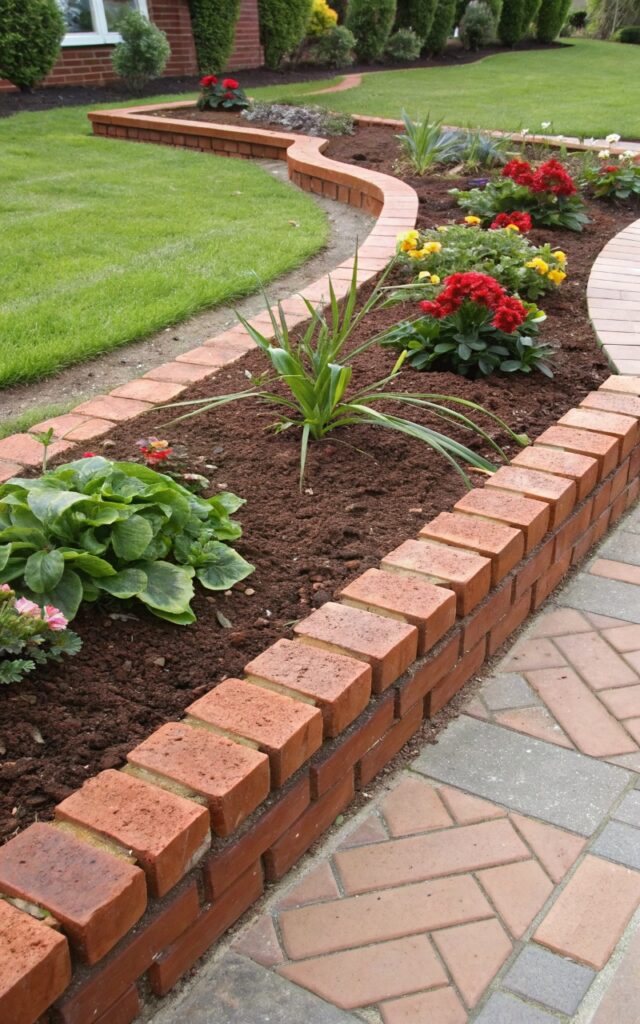
I laid bricks along the edge of my flower bed, and it instantly created a clean, timeless border that feels grounded and structured. The warm tones add a subtle contrast against greenery, making the plants stand out more. You can keep the layout straight or curve it for a softer look. It’s simple, but it always looks intentional. It’s one of those ideas that never goes out of style. Pro Tip: Set bricks slightly into the soil for better stability.
2. Natural Stone Border
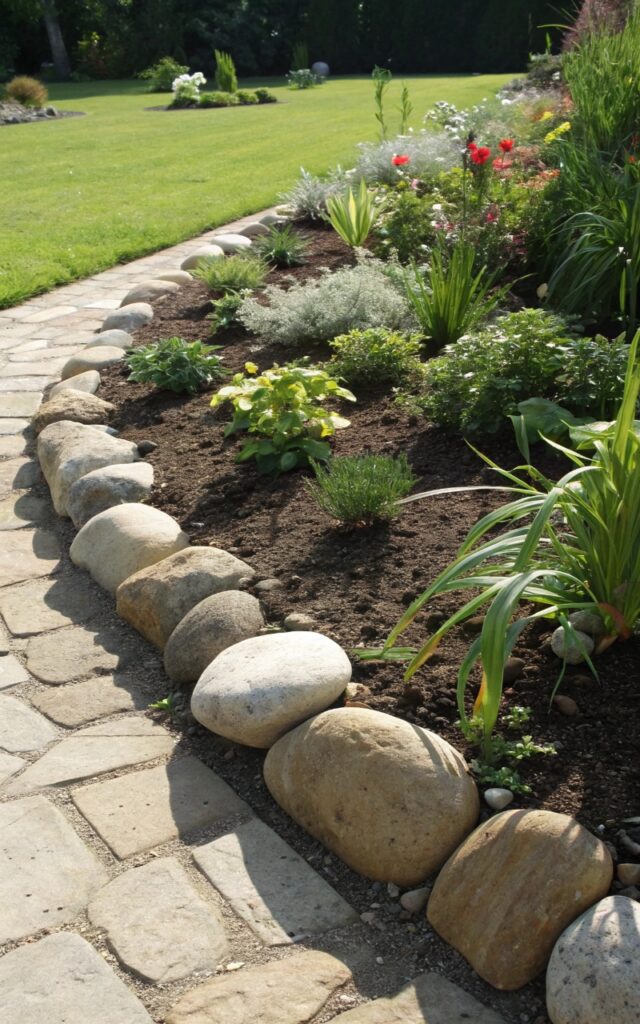
Using stones of different shapes and sizes created a border that feels organic and relaxed. The uneven edges give it a natural flow that blends seamlessly with plants. It doesn’t feel forced or overly designed. It’s like the garden shaped itself. It’s simple, but very effective. Pro Tip: Place larger stones first, then fill gaps with smaller ones.
3. Wooden Log Edging
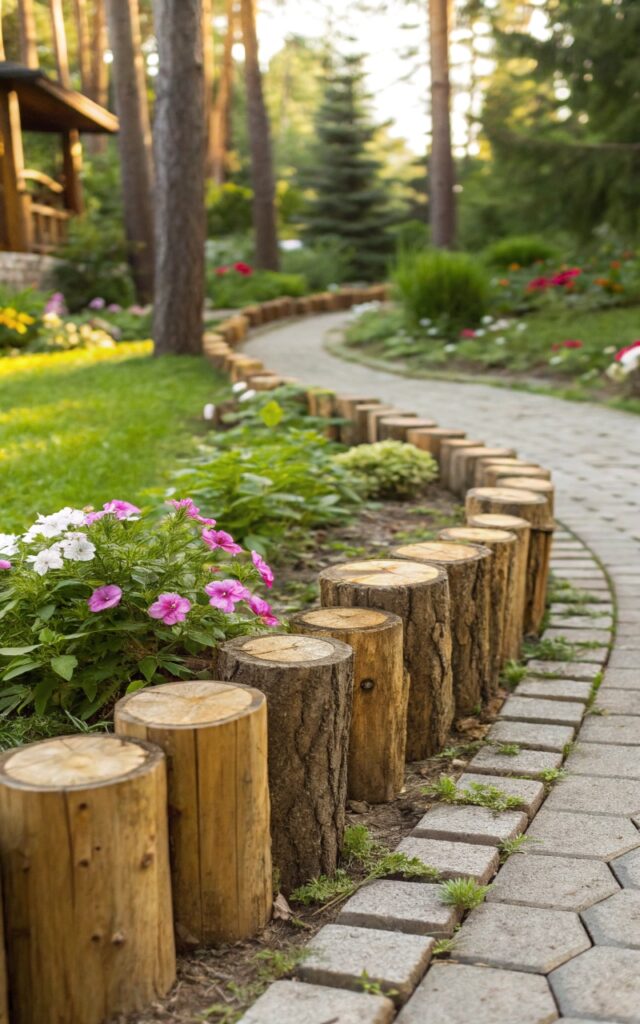
I used small logs to outline a flower bed, and it gave the space a warm, rustic feel that’s both cozy and natural. The wood texture adds depth without overpowering the plants. It’s perfect for a more relaxed garden style. The look feels grounded and inviting. It’s simple, but charming. Pro Tip: Treat wood to prevent rot.
4. Metal Strip Border
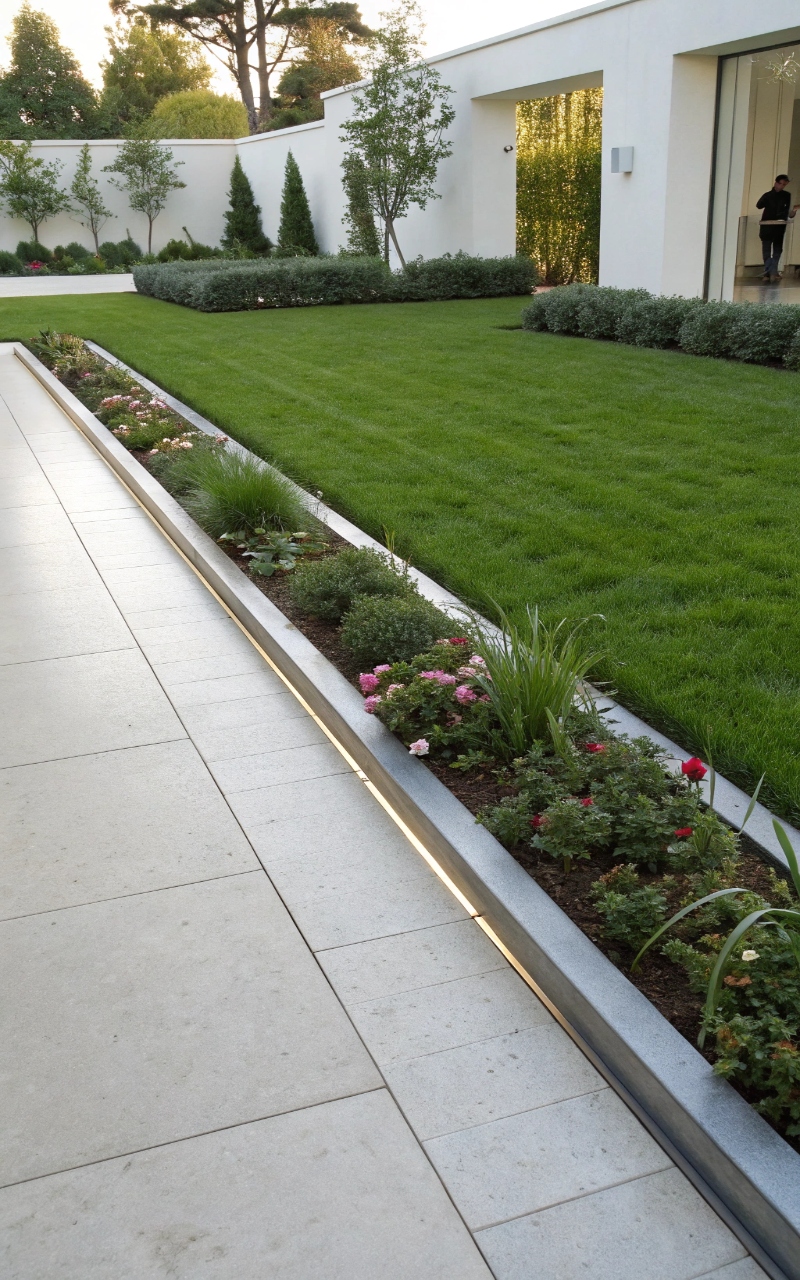
Thin metal edging created a sleek, modern line that keeps everything looking clean and sharp. It’s subtle enough not to distract from the plants. The contrast between metal and greenery adds interest. It’s minimal, but effective. It works especially well in contemporary gardens. Pro Tip: Install slightly below ground level for a seamless look.
5. Gravel Edge Border
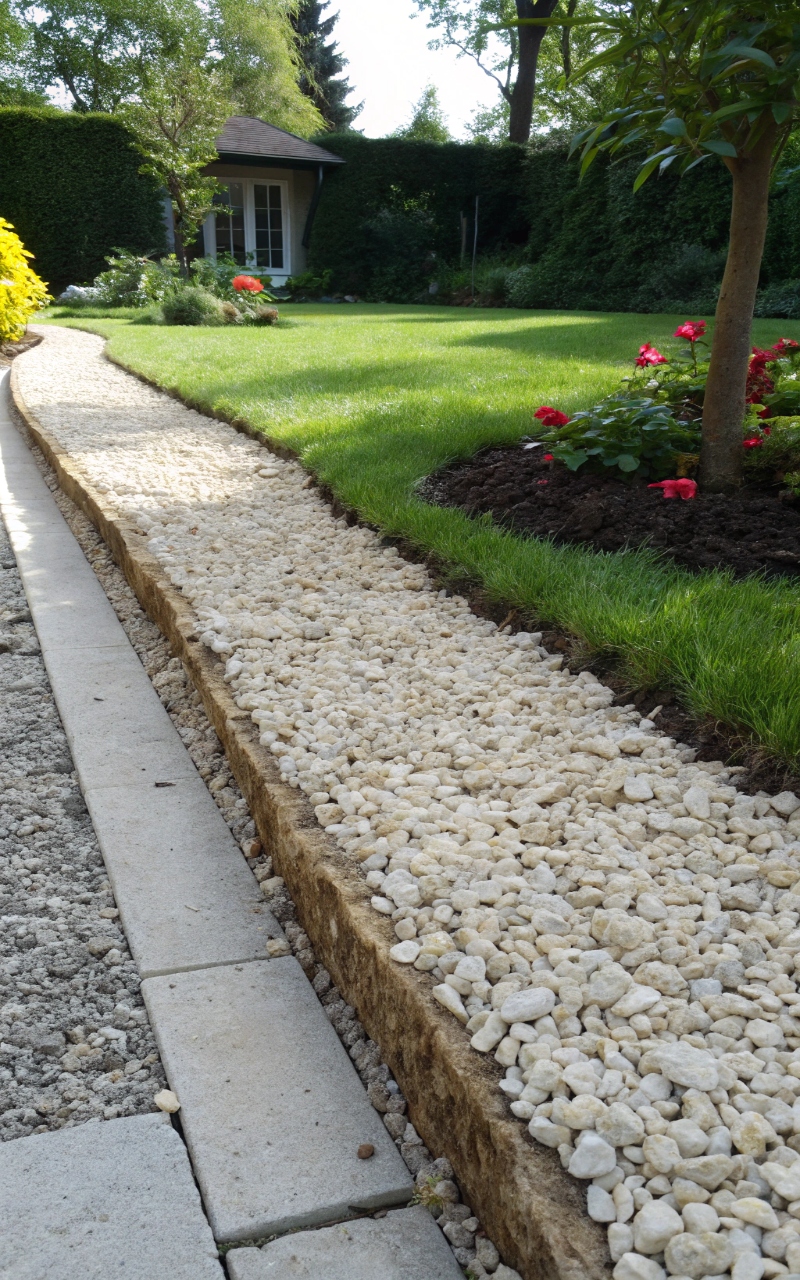
I dug a shallow trench and filled it with gravel, and it created a clean separation between lawn and flower bed. The texture adds contrast while also helping with drainage. It’s low-maintenance and visually neat. The edge feels defined without being heavy. It’s simple, but practical. Pro Tip: Use landscape fabric underneath to prevent weeds.
6. Concrete Block Edging
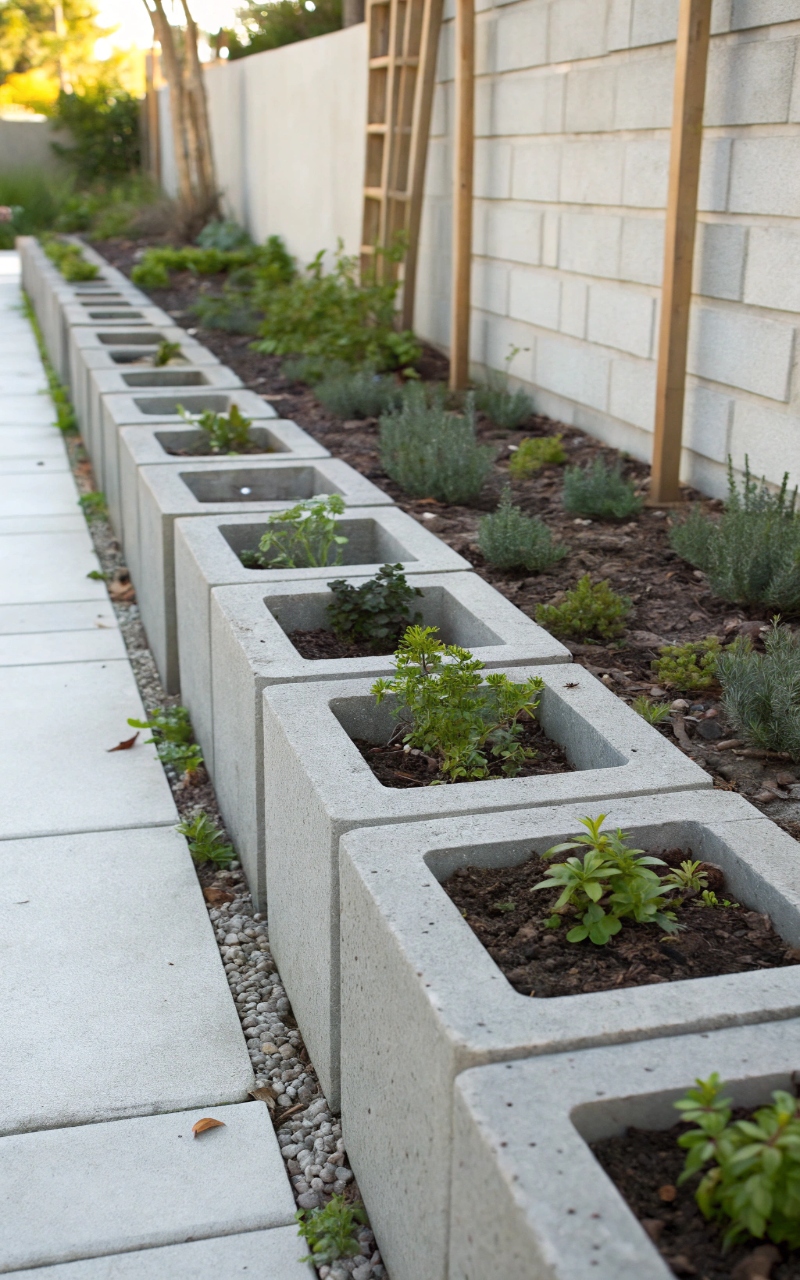
Using concrete blocks gave my garden a structured, modern look while also being very durable. The hollow centers can even hold small plants for added detail. It’s functional and decorative at the same time. The clean lines create a strong visual edge. It’s simple, but impactful. Pro Tip: Paint blocks for a customized finish.
7. Living Plant Border
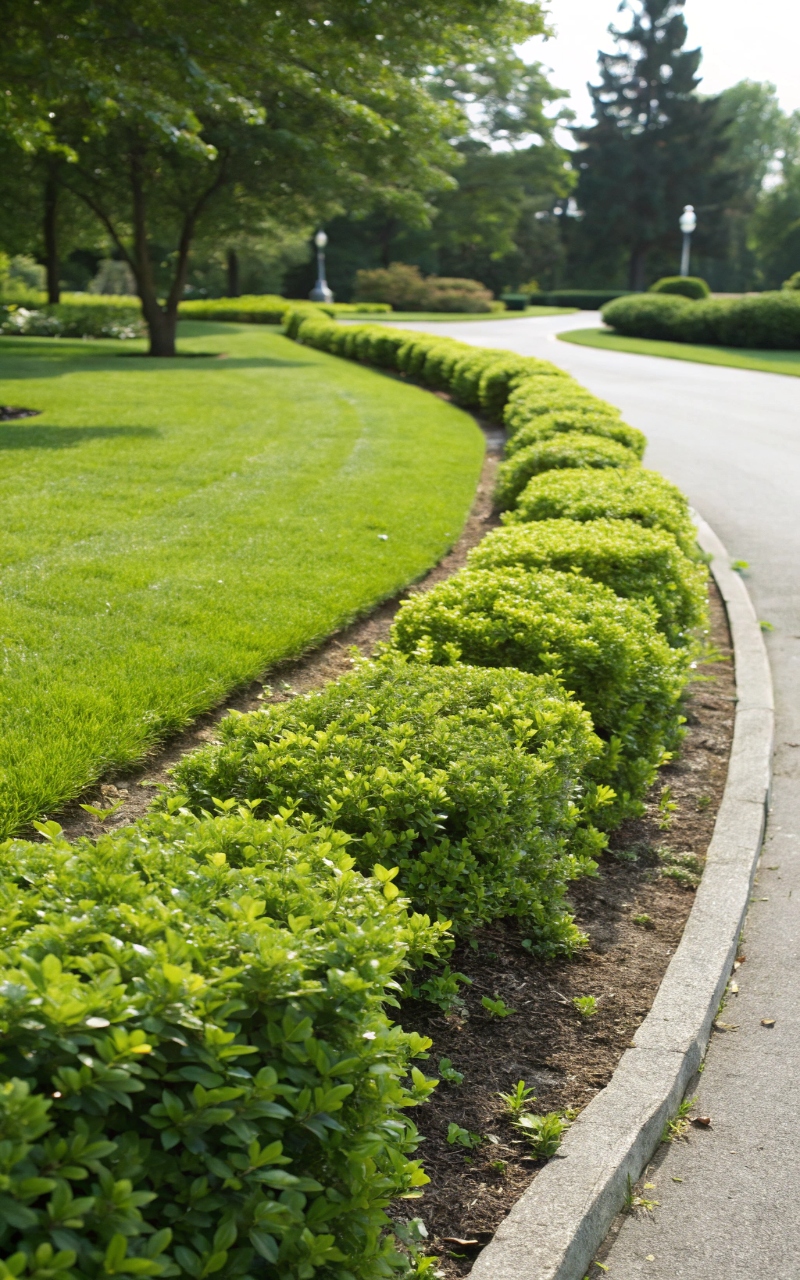
Planting low-growing greenery along the edge created a soft, natural border that feels alive. The plants fill in over time, making the edge look fuller and more integrated. It’s decorative and functional. The softness contrasts beautifully with taller plants. It’s a dynamic option. Pro Tip: Trim regularly to maintain a clean shape.
8. Bamboo Edging
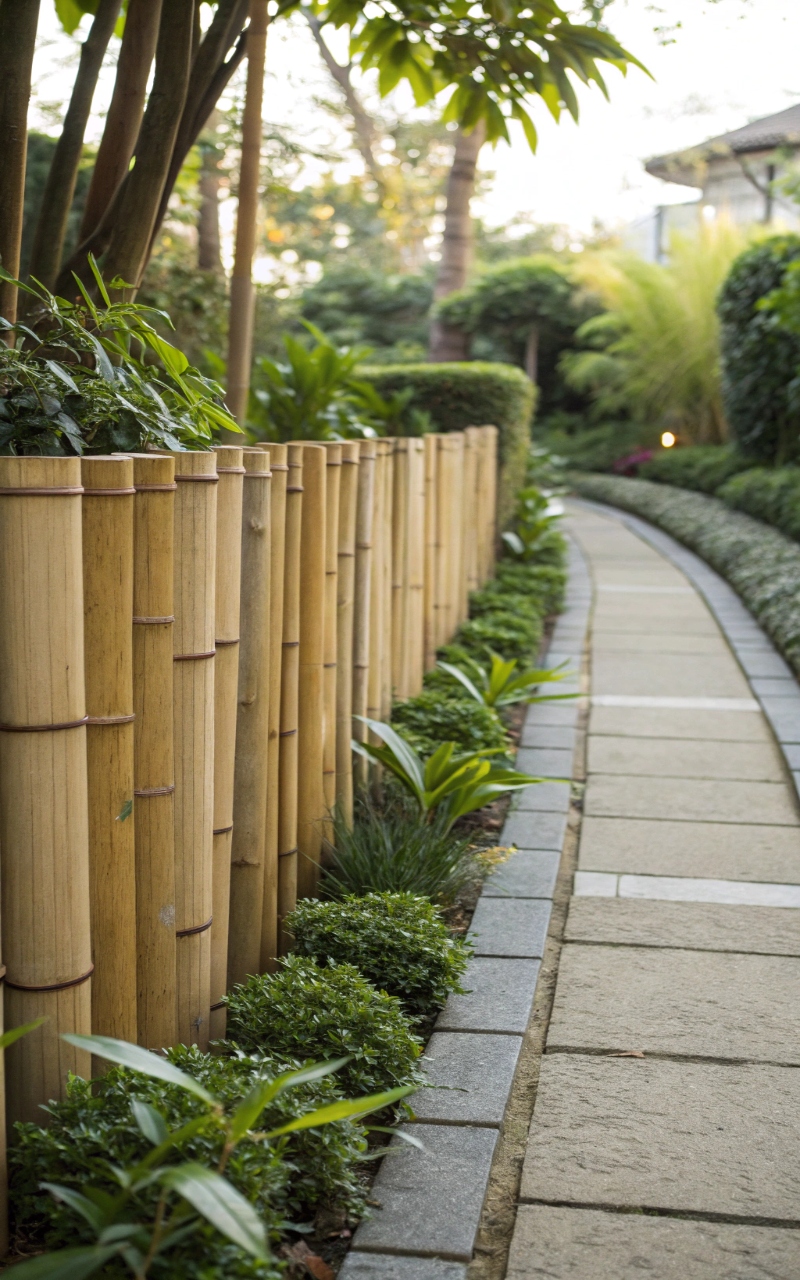
I lined up bamboo pieces, and it gave the flower bed a light, natural border that blends easily with plants. The vertical lines create a subtle rhythm. It’s affordable and easy to install. The look feels calm and balanced. It’s simple, but unique. Pro Tip: Secure pieces tightly for stability.
9. Paver Stone Border
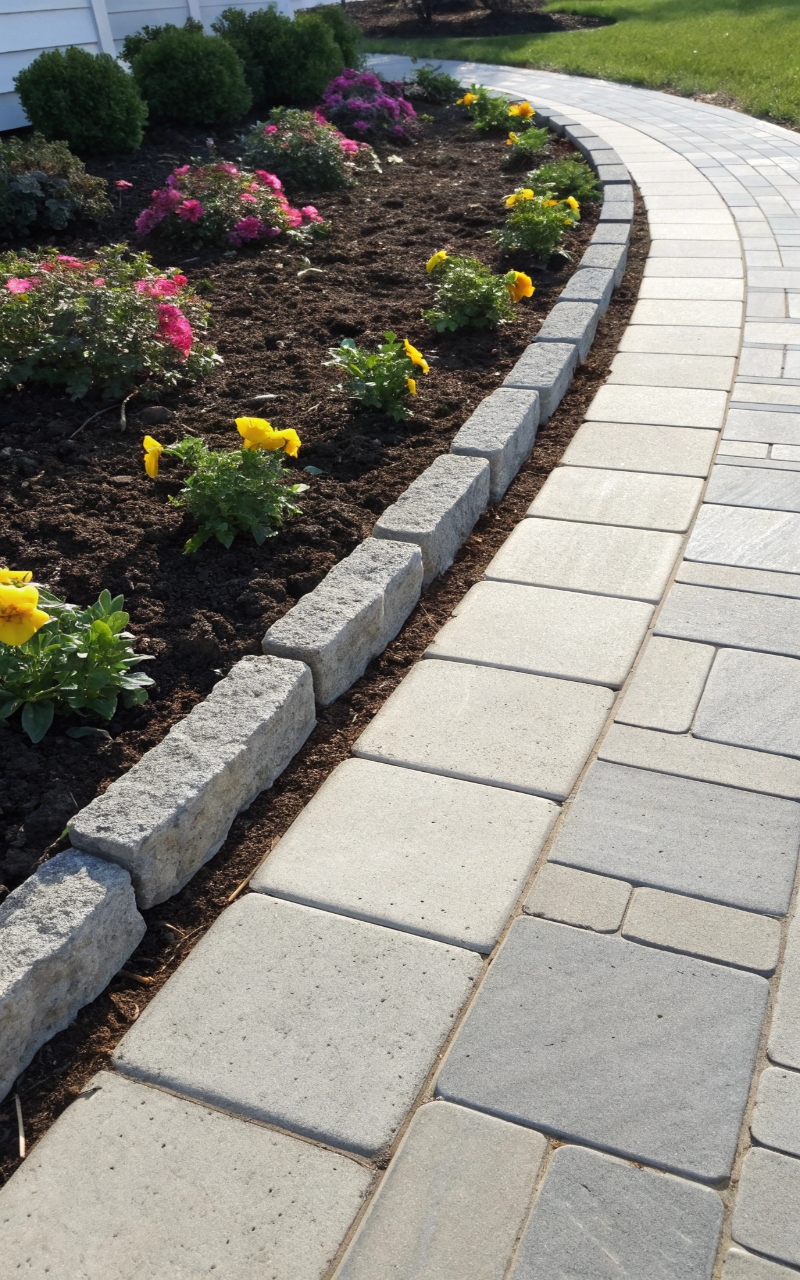
Using flat pavers created a clean, uniform edge that feels polished and structured. The smooth surface contrasts nicely with soil and plants. It’s durable and easy to maintain. The layout can be straight or curved. It’s a reliable choice. Pro Tip: Level the ground before placing pavers.
10. Recycled Bottle Border
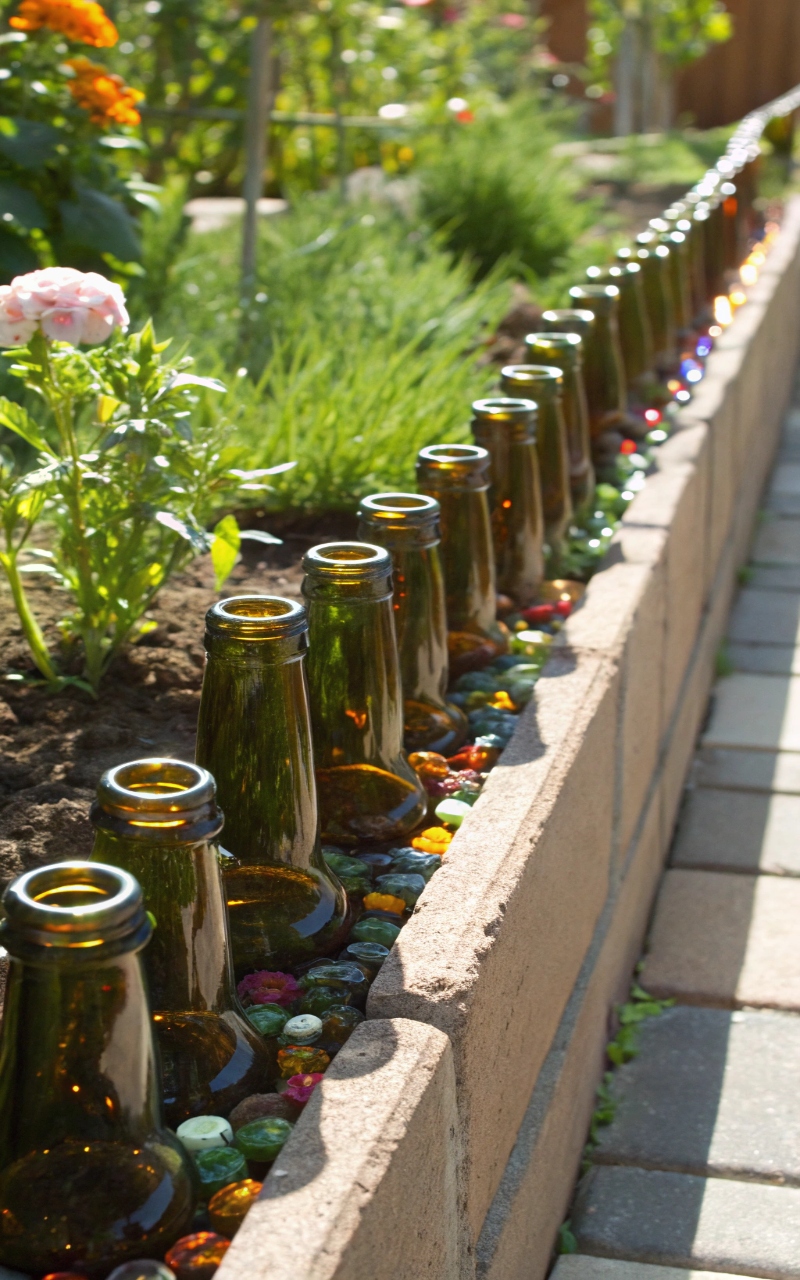
I used glass bottles turned upside down, and it added a creative, colorful touch that stands out. The light reflects off the glass, adding a subtle sparkle. It’s eco-friendly and unique. The design feels playful but intentional. It’s a fun option to try. Pro Tip: Use similar bottle sizes for consistency.
11. Rope and Stake Edge
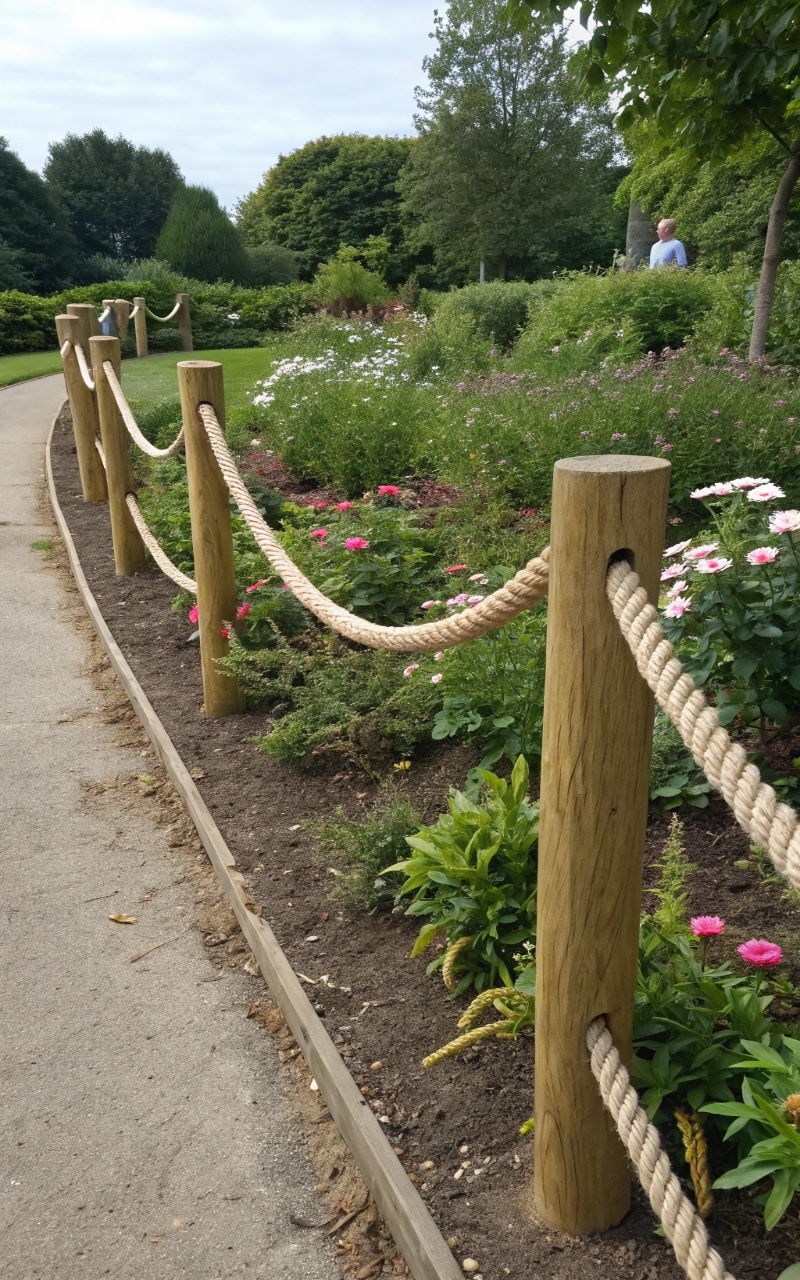
A rope border with small stakes created a soft, casual edge that feels relaxed and different from traditional borders. The rope adds texture without being too bold. It’s perfect for informal garden styles. The look feels light and open. It’s simple, but effective. Pro Tip: Use weather-resistant rope.
12. Terracotta Pot Border
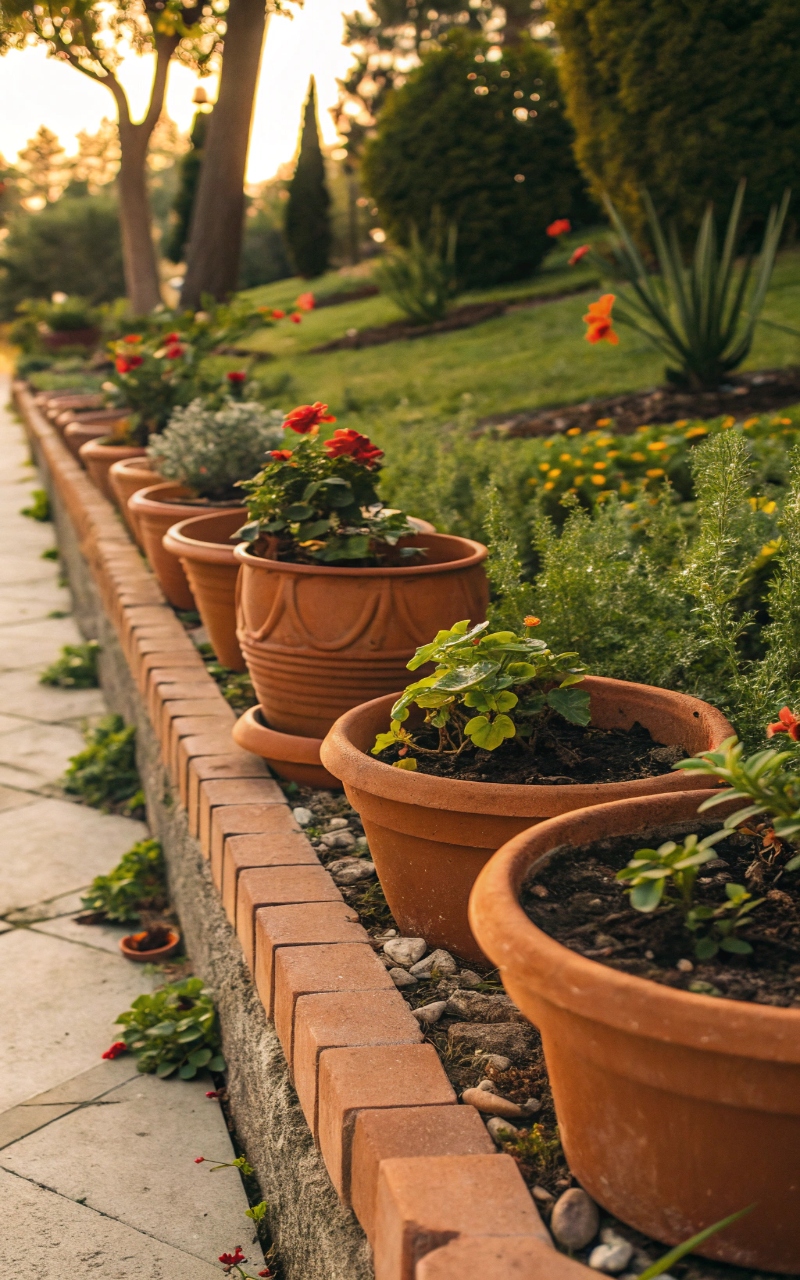
I placed small terracotta pots along the edge, and it created a warm, layered border full of character. Some pots held plants, while others added texture. The earthy tones blend beautifully with greenery. It’s decorative and functional. It’s such a charming detail. Pro Tip: Mix pot sizes for variety.
13. Slate Stone Edging
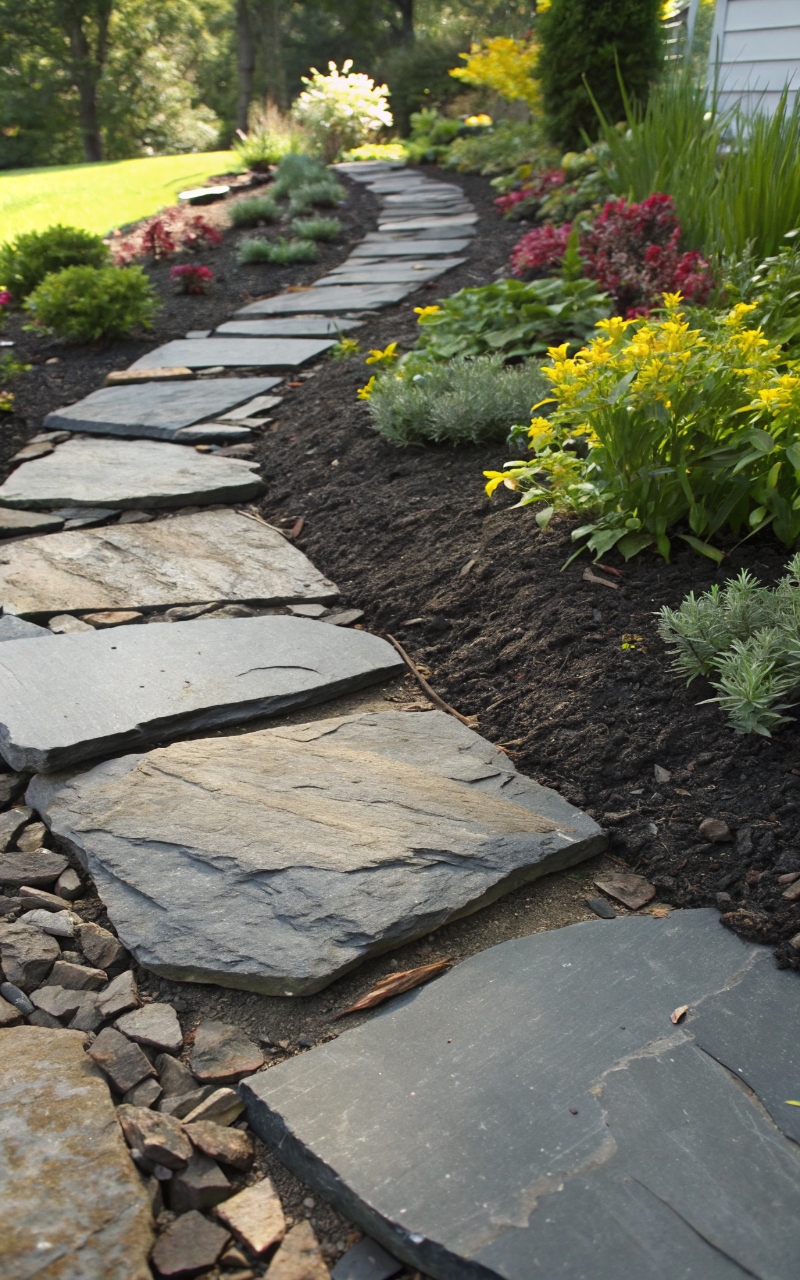
Using slate stones created a darker, more dramatic border that contrasts beautifully with bright plants. The flat surfaces give a clean, layered look. It feels slightly more refined while still natural. The texture adds depth. It’s bold, but balanced. Pro Tip: Overlap stones slightly for a layered effect.
14. Plastic Edging for Simplicity
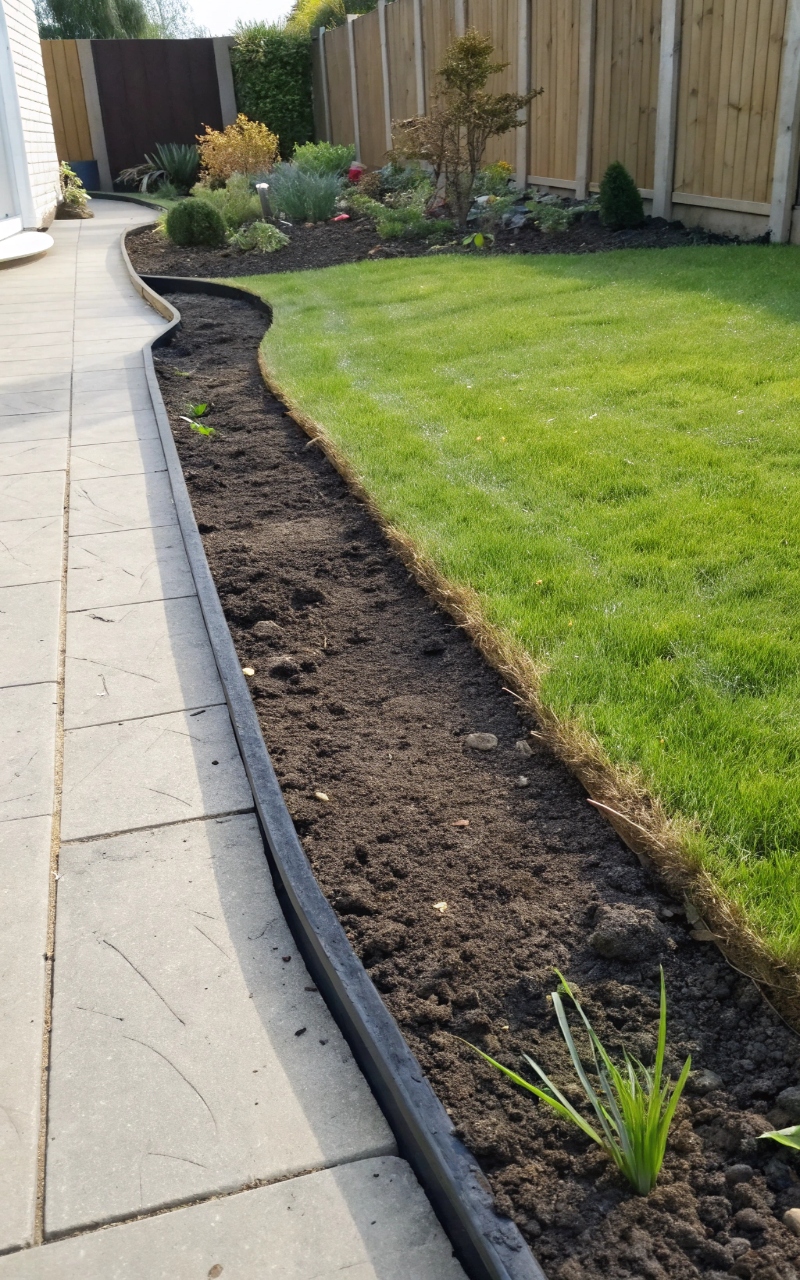
Plastic edging might be basic, but it’s one of the easiest ways to create a clean, defined border quickly. I used it as a base and layered other materials around it. It keeps soil in place effectively. It’s practical and low-cost. Sometimes simple is all you need. Pro Tip: Choose darker tones to blend with soil.
15. Mixed Material Border
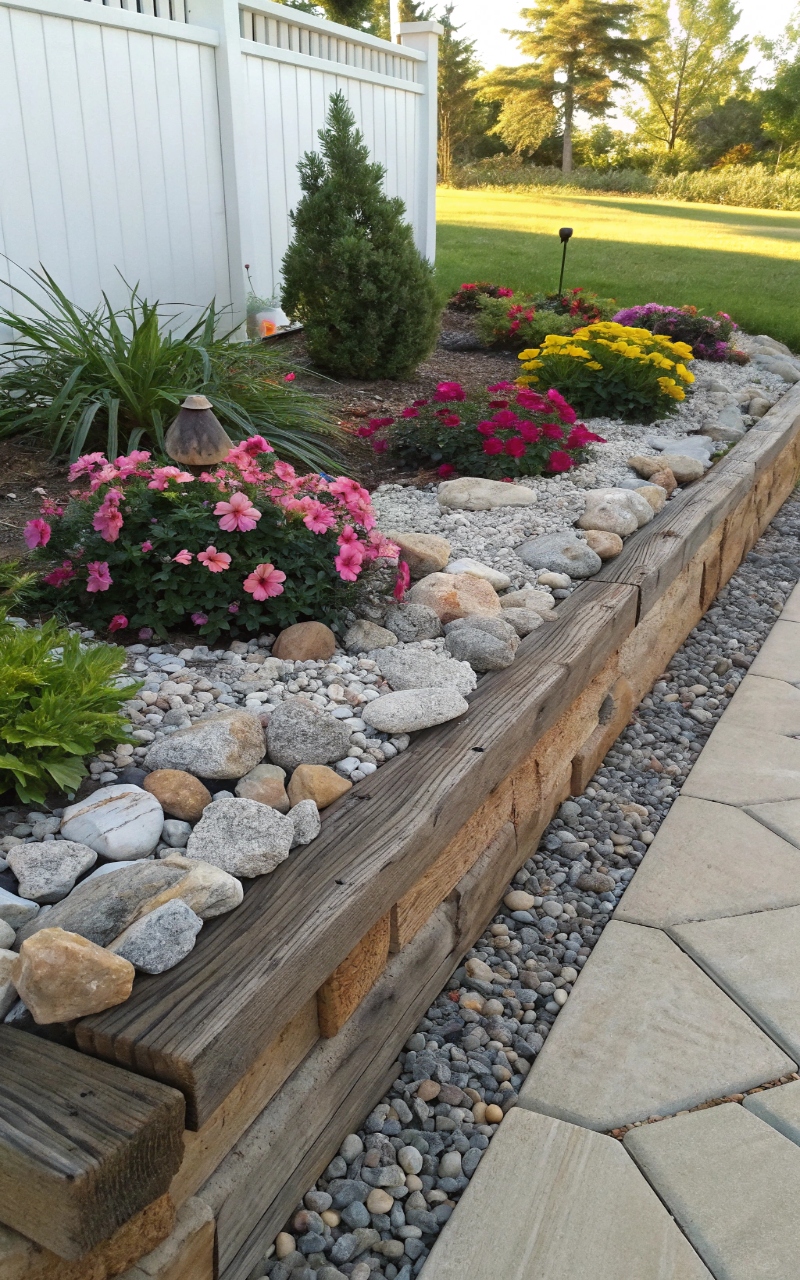
Combining different materials like stone, wood, and gravel created a unique border that feels layered and intentional. The mix adds texture and visual interest. It avoids a one-dimensional look. It’s creative and flexible. It feels personal and dynamic. Pro Tip: Keep a consistent color palette for cohesion.
Conclusion
Flower bed borders play a bigger role than most people expect, shaping both the look and function of your garden in a simple but impactful way. These ideas show how different materials and styles can bring structure, define spaces, and highlight your plants without overwhelming them. Whether you prefer something natural, modern, or a mix of both, there’s a border style that can elevate your garden instantly. It’s a small detail that makes everything feel more complete.
What makes these border ideas so effective is how adaptable they are, working just as well in small gardens as they do in larger landscapes. You can start with a simple approach and build from there, adjusting as your garden grows and changes. That flexibility makes the process easier and more enjoyable. It’s about finding what works for your space and making it your own.
As you start adding borders, you’ll notice how much more defined and organized your garden begins to feel. The plants stand out more, the layout feels clearer, and the overall design looks more intentional. Take your time, experiment with different styles, and trust your instincts. In the end, it’s those thoughtful edges that bring everything together.