
Quick & Easy Recipes for Everyday Cooks
Welcome to Food By Ayaka!
Shrimp Saganaki Recipe
My kids usually hesitate when they see seafood on the table, but shrimp in this recipe is different because it’s tender, juicy, and not overly “fishy.” The sauce in Shrimp Saganaki is what really wins them over—it’s rich, slightly tangy, and full of comforting flavors that remind them of pasta sauce. And once the feta cheese melts into the tomato base, it creates a creamy texture that makes every bite feel indulgent and satisfying without being too heavy.
Shrimp Saganaki is one of those cozy, comforting dishes that feels both simple and a little special at the same time. It’s a classic Greek recipe made with juicy shrimp cooked in a rich tomato sauce, finished with creamy, salty feta cheese that melts just enough to bring everything together. What I love most about this dish is how quickly it comes together, yet it tastes like something you would order at a seaside restaurant. The combination of garlic, tomatoes, herbs, and seafood creates a warm, inviting flavor that fills the kitchen with the most amazing aroma. It’s rustic, hearty, and perfect for both weeknight dinners and casual gatherings with family or friends.
I have made this recipe so many times, especially on busy evenings when I need something quick but still homemade and delicious. I use fresh shrimp whenever I can, but frozen shrimp works just as well if thawed properly. I always make sure to sauté the garlic gently so it doesn’t burn, because that’s where a lot of the flavor starts. And I never skip the feta cheese at the end—it really is the heart of the dish and brings everything together beautifully.
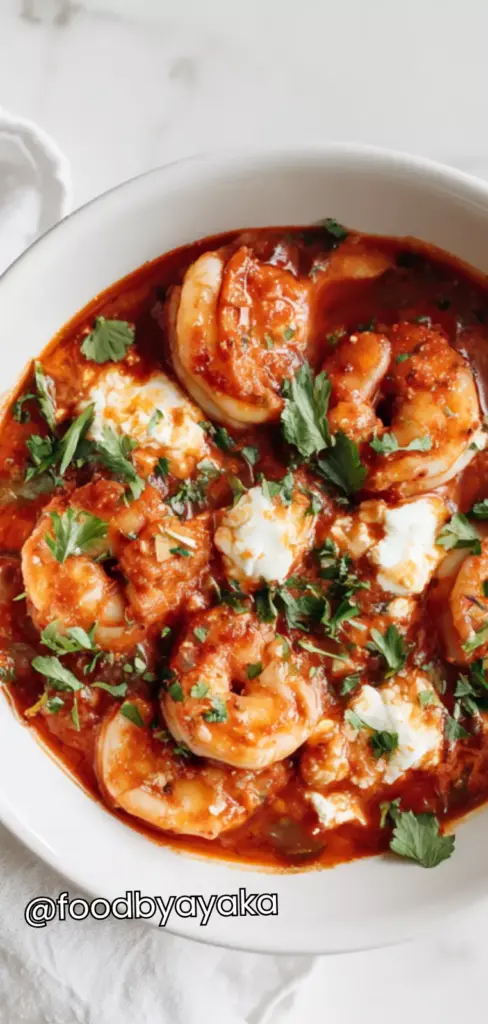
You can serve Shrimp Saganaki straight from the skillet while it is still hot, bubbling, and full of aroma. It feels very rustic and comforting when you bring it to the table this way, almost like a small Greek taverna moment at home. I usually finish it with a little extra chopped parsley and sometimes a drizzle of olive oil to make it look glossy and fresh.
Its Perfect For:
- Quick weeknight dinners when you don’t have much time but still want something homemade and satisfying.
- Casual gatherings or small dinner parties where you want to impress without too much effort.
- Seafood lovers who enjoy bold, comforting flavors without complicated cooking steps.
- Cozy nights when you want something warm, rich, and filling but not too heavy.
- Serving as a shared appetizer with bread for dipping and enjoying together.
Ingredients
- 1 lb large shrimp, peeled and deveined
- 2 tablespoons olive oil
- 1 small onion, finely chopped
- 3 cloves garlic, minced
- 1 can (14 oz) crushed tomatoes
- 1/2 teaspoon dried oregano
- 1/2 teaspoon red pepper flakes (optional)
- Salt and black pepper to taste
- 1/2 cup crumbled feta cheese
- 2 tablespoons fresh parsley, chopped
- 1 tablespoon fresh dill (optional)
- 1 tablespoon lemon juice
Kitchen Equipment You’ll Need
- Large skillet or frying pan
- Wooden spoon or spatula
- Knife and cutting board
- Measuring spoons and cups
- Small bowl for prepping ingredients
How to make Shrimp Saganaki
Step 1
Prepare the shrimp: Rinse the shrimp under cold water and pat them completely dry with paper towels. Season lightly with salt and black pepper, then set aside while you prepare the sauce so the flavors can settle into the shrimp.
Step 2
Cook the base: Heat olive oil in a large skillet over medium heat. Add the chopped onion and cook for about 3–4 minutes, stirring occasionally, until it becomes soft and slightly translucent. Add the minced garlic and cook for another 30 seconds until fragrant, being careful not to let it burn.
Step 3
Make the tomato sauce: Pour in the crushed tomatoes and stir well to combine with the onion and garlic. Add oregano, red pepper flakes (if using), salt, and black pepper. Let the sauce simmer gently for about 10–12 minutes, stirring occasionally, until it thickens slightly and the flavors develop into a rich, savory base.
Step 4
Cook the shrimp: Add the seasoned shrimp directly into the simmering sauce, arranging them evenly in the pan. Cook for 4–6 minutes, turning once halfway through, until the shrimp turn pink, opaque, and are just cooked through. Avoid overcooking to keep them tender and juicy.
Step 5
Add the feta: Sprinkle the crumbled feta cheese evenly over the shrimp and sauce. Let it warm and soften slightly in the heat for about 2–3 minutes without fully melting, so it keeps its creamy, slightly chunky texture that defines this dish.
Step 6
Finish and serve: Drizzle fresh lemon juice over the dish and sprinkle with chopped parsley and dill. Serve immediately while hot, preferably with crusty bread or warm pita to soak up the rich tomato and feta sauce.
Tips
- Always pat the shrimp dry before cooking so they sear slightly instead of steaming. This helps keep their texture firm and juicy. It also allows the sauce to cling better to each piece.
- Cook the garlic gently on medium heat and never rush this step. Burnt garlic can turn bitter very quickly and affect the whole dish. A soft golden aroma is what you’re aiming for.
- Let the tomato sauce simmer long enough to thicken slightly. This helps deepen the flavor and prevents the dish from being too watery. A thicker sauce coats the shrimp much better.
- Don’t overcook the shrimp or they will become rubbery. As soon as they turn pink and opaque, they are ready. Keep a close eye on them during this stage.
- Use good-quality feta cheese because it makes a big difference in taste. A creamy and slightly tangy feta adds richness without overpowering the dish. Crumble it fresh for the best texture.
- Add a squeeze of fresh lemon juice at the end to brighten the flavors. It balances the richness of the sauce and cheese beautifully. This small step really elevates the dish.
- Taste the sauce before adding shrimp and adjust seasoning if needed. Sometimes a pinch of salt or a bit more oregano can make all the difference. It’s easier to fix before the shrimp go in.
Optional Ingredients
- Kalamata olives for a briny, salty touch
- A splash of white wine for deeper flavor
- Fresh basil for a slightly sweeter herb note
- Chili flakes for extra heat
- Capers for a tangy, Mediterranean twist
- Bell peppers for added texture and color
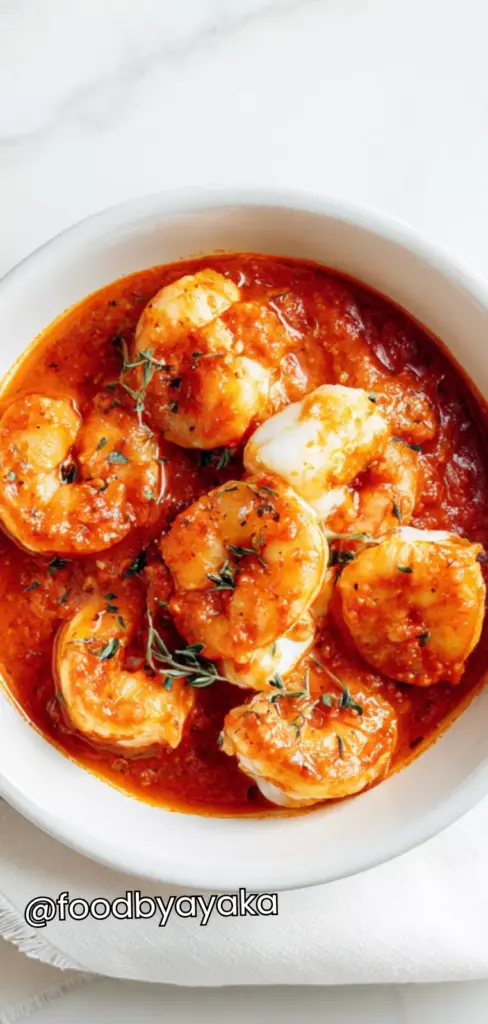
How to serve Shrimp Saganaki?
I love serving Shrimp Saganaki straight from the skillet while it is still hot, bubbling, and full of aroma. It feels very rustic and comforting when you bring it to the table this way, almost like a small Greek taverna moment at home. I usually finish it with a little extra chopped parsley and sometimes a drizzle of olive oil to make it look glossy and fresh.
I often serve it with warm, crusty bread because it is perfect for scooping up the rich tomato and feta sauce. Sometimes I lightly toast the bread with garlic or olive oil, which makes the whole meal feel even more flavorful and satisfying. The sauce is honestly too good to leave on the plate, so bread is a must in my kitchen.
If I want to turn it into a full, filling meal, I serve it over fluffy rice or al dente pasta. Both options soak up the sauce beautifully and make the dish more comforting and hearty. I also like adding a simple green salad on the side with lemon dressing to balance the richness of the shrimp and feta.
Is Shrimp Saganaki healthy?
Shrimp Saganaki can be a healthy option, especially when made with fresh ingredients and balanced portions. Shrimp is naturally high in protein and low in fat, while the tomato sauce provides vitamins and antioxidants that support a balanced diet and overall wellness.
The feta cheese adds richness and flavor, but when used in moderation, it fits well into a healthy eating style. Pairing the dish with vegetables, salad, or whole grains like brown rice can make it even more nutritious and satisfying without feeling heavy.
Variations and Substitutions
- You can replace shrimp with chunks of white fish like cod or tilapia for a different seafood version. The texture becomes softer but still delicious. Adjust cooking time so the fish stays intact.
- If you don’t have feta cheese, goat cheese works well for a creamier and tangier twist. It melts more into the sauce and creates a smoother texture. It still keeps that Mediterranean flavor.
- For a dairy-free version, skip the cheese completely and add extra olive oil and herbs. The tomato sauce is already rich and flavorful on its own. You will still get a very satisfying dish.
- Add spinach or zucchini for extra vegetables and color. They blend nicely into the sauce without overpowering the shrimp. It also makes the dish more filling and balanced.
- Use canned diced tomatoes instead of crushed tomatoes for a chunkier, rustic sauce. It gives more texture and a homemade feel. This is great if you prefer a heartier bite.
- Swap oregano with Italian seasoning if that is what you have in your pantry. It still gives a warm herbal base. The flavor remains very comforting and familiar.
- Add a pinch of sugar if your tomatoes taste too acidic. This helps balance the sauce without making it sweet. It rounds out the flavor beautifully.
- Bake it in the oven instead of stovetop for a different style. Cook the sauce first, add shrimp, then finish with feta on top in the oven until bubbly. It becomes slightly more caramelized and rich.
How to store, How to reheat
To store Shrimp Saganaki, let it cool completely before transferring it into an airtight container. Keep it in the refrigerator for up to 2 days. Because shrimp is delicate, it is best enjoyed fresh, but proper storage helps maintain flavor for a short time.
To reheat, warm it gently in a skillet over low heat. Add a splash of water if the sauce has thickened too much. Avoid high heat because it can make the shrimp rubbery. You can also reheat it in the microwave in short intervals, stirring in between.
Frequently Asked Questions About Shrimp Saganaki
Can I use frozen shrimp instead of fresh shrimp?
Yes, frozen shrimp works very well for this recipe and is commonly used at home. Make sure to thaw them completely before cooking and pat them dry to avoid extra water in the sauce. This helps maintain the right texture and prevents a watery dish.
What type of shrimp works best for Shrimp Saganaki?
Large or jumbo shrimp are the best choice because they stay juicy and hold their shape while cooking. Smaller shrimp cook very quickly and can become rubbery if overdone. Bigger shrimp also give a nicer presentation on the plate.
Can I make Shrimp Saganaki ahead of time?
You can prepare the tomato sauce ahead and store it in the fridge for up to 2 days. However, it is best to cook the shrimp fresh right before serving. This keeps them tender and prevents them from becoming tough when reheated.
What can I use instead of feta cheese?
Goat cheese is the closest substitute and gives a creamy, tangy result. Ricotta can also be used for a softer, milder texture. Each option slightly changes the dish but still keeps it delicious and comforting.
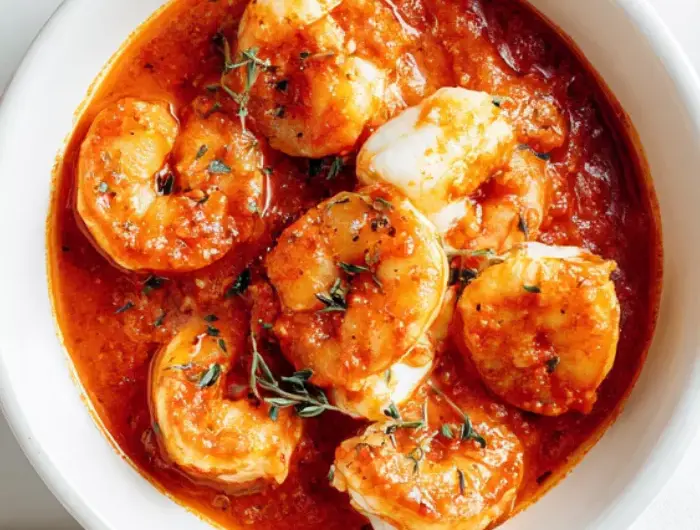
Shrimp Saganaki Recipe
Course: Appetizers, MainCuisine: GreekDifficulty: EasyServings
4
servingsPrep time
10
minutesCooking time
25
minutesShrimp Saganaki recipe made with juicy shrimp, rich tomato sauce, and feta cheese. An easy Greek dish perfect for dinner, parties, or appetizers.
Ingredients
1 lb large shrimp, peeled and deveined
2 tablespoons olive oil
1 small onion, finely chopped
3 cloves garlic, minced
1 can (14 oz) crushed tomatoes
1/2 teaspoon dried oregano
1/2 teaspoon red pepper flakes (optional)
Salt and black pepper to taste
1/2 cup crumbled feta cheese
2 tablespoons fresh parsley, chopped
1 tablespoon fresh dill (optional)
1 tablespoon lemon juice
Directions
- Prepare the shrimp: Rinse the shrimp under cold water and pat them completely dry with paper towels. Season lightly with salt and black pepper, then set aside while you prepare the sauce so the flavors can settle into the shrimp.
- Cook the base: Heat olive oil in a large skillet over medium heat. Add the chopped onion and cook for about 3–4 minutes, stirring occasionally, until it becomes soft and slightly translucent. Add the minced garlic and cook for another 30 seconds until fragrant, being careful not to let it burn.
- Make the tomato sauce: Pour in the crushed tomatoes and stir well to combine with the onion and garlic. Add oregano, red pepper flakes (if using), salt, and black pepper. Let the sauce simmer gently for about 10–12 minutes, stirring occasionally, until it thickens slightly and the flavors develop into a rich, savory base.
- Cook the shrimp: Add the seasoned shrimp directly into the simmering sauce, arranging them evenly in the pan. Cook for 4–6 minutes, turning once halfway through, until the shrimp turn pink, opaque, and are just cooked through. Avoid overcooking to keep them tender and juicy.
- Add the feta: Sprinkle the crumbled feta cheese evenly over the shrimp and sauce. Let it warm and soften slightly in the heat for about 2–3 minutes without fully melting, so it keeps its creamy, slightly chunky texture that defines this dish.
- Finish and serve: Drizzle fresh lemon juice over the dish and sprinkle with chopped parsley and dill. Serve immediately while hot, preferably with crusty bread or warm pita to soak up the rich tomato and feta sauce.