
Quick & Easy Recipes for Everyday Cooks
Welcome to Food By Ayaka!
Salmon Stew Recipe
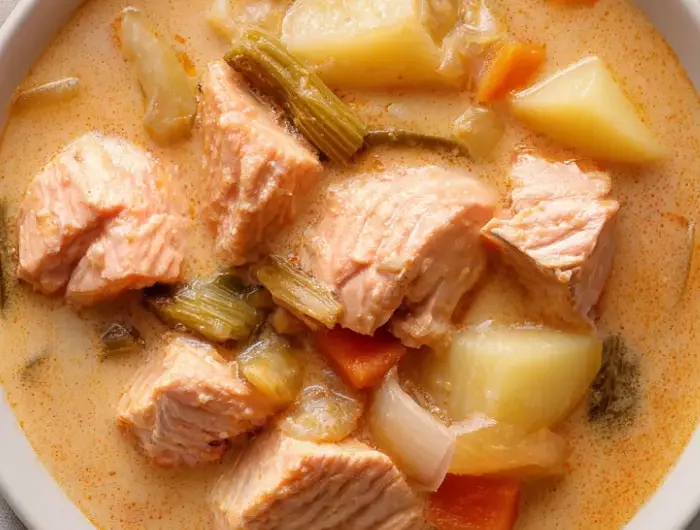
Making this Salmon Stew feels simple, but the secret in this dish is balance and patience, and that is what makes it rich and comforting without being heavy or complicated. Salmon stew is one of those warm, comforting dishes that feels like a hug in a bowl. It is rich, soft, and full of gentle seafood flavor mixed with vegetables and a light, tasty broth. Every spoonful feels nourishing and cozy, especially on busy days or cool evenings when you want something simple but satisfying.
This recipe is special because it brings together fresh salmon, tender potatoes, and a flavorful broth in one pot. It is easy to cook, yet it tastes like something you spent hours making. It is the kind of meal that makes the kitchen smell amazing and brings everyone to the table without calling twice.
I have always loved seafood dishes that are easy to prepare but still feel special. I use fresh salmon, simple vegetables, and a light broth always because it keeps the dish clean, healthy, and full of natural flavor.

You can serve salmon stew with steamed rice, some crusty bread, also with a light salad or roasted vegetables on the side.
Its Perfect For:
- Cozy family dinners at home
- Light but filling lunch meals
- Cold or rainy weather comfort food
- Healthy meal prep for the week
- Simple dinner when you are busy
Ingredients
- 1.5 lbs salmon fillet, cut into chunks
- 2 tablespoons olive oil
- 1 medium onion, chopped
- 3 cloves garlic, minced
- 1 bell pepper (red or yellow), sliced
- 2 medium tomatoes, chopped (or 1 cup canned diced tomatoes)
- 2 medium potatoes, peeled and cubed
- 3 cups fish stock or water
- 1 cup coconut milk (optional for creaminess)
- 1 teaspoon paprika
- 1/2 teaspoon ground black pepper
- 1 teaspoon salt (or to taste)
- 1/2 teaspoon chili flakes (optional)
- 1 tablespoon lemon juice
- Fresh parsley or dill for garnish
Kitchen Equipment You’ll Need
- Large cooking pot or deep pan
- Sharp kitchen knife
- Cutting board
- Wooden spoon or spatula
- Ladle for serving soup
- Measuring cups and spoons
- Medium bowl for prepping ingredients
How to Make Salmon Stew
Step 1
Prepare the base: Heat olive oil in a large pot over medium heat. Add chopped onions and sauté until soft and slightly golden. Add minced garlic and cook for another minute until fragrant, being careful not to burn it.
Step 2
Build the flavor: Add the bell pepper and chopped tomatoes, stirring well so they start breaking down into a thick, aromatic base. Sprinkle in paprika, salt, black pepper, and chili flakes if using. Let everything simmer for 5–7 minutes so the flavors deepen and the tomatoes become saucy.
Step 3
Cook the vegetables: Add the cubed potatoes and pour in the fish stock (or water). Stir well, bring to a gentle boil, then reduce the heat and let it simmer for about 10–12 minutes, or until the potatoes start to become tender but not falling apart.
Step 4
Add the salmon: Gently place the salmon chunks into the pot, making sure they are partially submerged in the broth. Simmer on low heat for 6–8 minutes, allowing the fish to cook slowly so it stays tender and does not break apart too much.
Step 5
Finish the stew: Stir in coconut milk (if using) and let it simmer for another 2–3 minutes until slightly thickened and creamy. Add lemon juice at the end to brighten the flavors and balance the richness.
Step 6
Serve: Ladle the hot salmon stew into bowls and garnish with fresh parsley or dill. Serve warm with rice, crusty bread, or even on its own for a light but comforting meal.
Tips for Perfect Salmon Stew
- Use fresh salmon if possible
Fresh salmon gives a cleaner taste and softer texture.
Frozen salmon works too, but thaw it fully first.
Pat it dry before cooking for better flavor. - Do not overcook the fish
Salmon cooks quickly and becomes dry if left too long.
Add it near the end of cooking time.
Let it gently simmer, not boil strongly. - Build flavor with slow sautéing
Take your time when cooking onions and garlic.
This creates a deeper base for the stew.
Rushing this step makes the broth less rich. - Cut vegetables evenly
Try to make potato and vegetable pieces similar in size.
This helps everything cook at the same time.
It also improves the texture in every bite. - Taste before serving
Always check salt and seasoning at the end.
Salmon naturally adds saltiness to the dish.
Adjust lightly so flavors stay balanced. - Use gentle heat
Keep the stew at a soft simmer, not a strong boil.
This keeps salmon tender and vegetables intact.
High heat can break the fish apart. - Add lemon at the end
Lemon juice brightens the whole dish instantly.
It balances the creamy and savory flavors.
Never add it too early or it loses freshness.
Optional Ingredients
- Coconut milk for creamy texture
- Spinach or kale for added greens
- Carrots for natural sweetness
- Fish sauce for deeper umami flavor
- Chili flakes for mild heat
- Fresh dill for extra aroma

How to Serve Salmon Stew
I like to serve salmon stew in deep, warm bowls so the broth stays hot and comforting for longer. I usually make sure to ladle in plenty of broth first, then gently add the salmon and vegetables on top so everything looks layered and inviting. A sprinkle of fresh herbs like parsley or dill on top makes it feel fresh, colorful, and homemade in the best way.
I often serve it with steamed white rice because it absorbs the rich broth beautifully and makes the meal more filling. Sometimes I choose soft crusty bread instead, especially when I want to dip and enjoy every drop of the flavorful soup. Both options work perfectly depending on how hearty I want the meal to feel.
For a lighter dinner, I like pairing it with a simple side salad made with cucumbers, greens, and a light lemon dressing. It balances the warmth of the stew with something crisp and refreshing. This combination makes the whole meal feel complete without being too heavy.
Is Salmon Stew healthy?
Salmon stew is very healthy because salmon is rich in omega-3 fatty acids, protein, and vitamins that support heart and brain health. The vegetables add fiber and nutrients, making the dish balanced and nourishing.
It is also a light meal when made with broth instead of heavy cream. It gives energy without feeling too heavy, making it a great option for both lunch and dinner.
Variations and Substitutions
- Creamy Coconut Salmon Stew
Add more coconut milk for a rich tropical flavor.
It becomes smoother and slightly sweet.
Perfect for a soft and comforting taste. - Spicy Salmon Stew
Add extra chili flakes or fresh chili peppers.
Gives a warm, bold heat to the dish.
Great for people who enjoy spicy food. - Tomato-Heavy Version
Increase tomatoes for a thicker, tangier broth.
It gives a more stew-like consistency.
Very good with rice or pasta. - Green Vegetable Stew
Add spinach, zucchini, or green beans.
Makes it lighter and more nutritious.
Perfect for a healthy diet. - Mediterranean Style
Add olives and oregano for a salty-herb flavor.
It changes the dish into a coastal style stew.
Very aromatic and unique. - Coconut Curry Salmon Stew
Add curry powder and coconut milk together.
It becomes warm, spiced, and creamy.
Very comforting and flavorful. - Low-Carb Version
Replace potatoes with cauliflower.
Keeps it light and keto-friendly.
Still filling and satisfying. - Herb-Boosted Stew
Add dill, parsley, and basil together.
Creates a fresh and fragrant broth.
Perfect for spring meals.
How to store, How to reheat
To store salmon stew, let it cool completely before placing it in an airtight container. Keep it in the refrigerator for up to 2–3 days. This helps maintain freshness and keeps the fish safe to eat.
To reheat, warm it slowly on the stove over low heat until hot. Avoid boiling it strongly because salmon can break apart easily. You can also add a splash of water or broth if it becomes too thick.
Frequently Asked Questions About Salmon Stew
Can I use frozen salmon instead of fresh?
Yes, frozen salmon works very well in this recipe.
Just make sure it is completely thawed before cooking.
Pat it dry to remove extra water so the stew doesn’t become watery.
Fresh salmon gives a slightly richer taste, but frozen is still a great option.
What type of potatoes are best for salmon stew?
Waxy potatoes like Yukon Gold or red potatoes are ideal.
They hold their shape better during simmering and don’t fall apart easily.
This helps the stew stay chunky and satisfying instead of mushy.
If using starchy potatoes, be careful not to overcook them.
Can I make salmon stew creamy without coconut milk?
Yes, you can skip coconut milk completely if you prefer a lighter broth.
You can also add a small splash of cream or evaporated milk instead.
Another option is to blend a few cooked potatoes into the broth for natural creaminess.
Each method gives a slightly different but still delicious result.
How do I stop salmon from breaking apart in the stew?
The key is to add the salmon at the very end of cooking.
Let it simmer gently instead of stirring it too much in the pot.
Strong boiling will break the fish into pieces, so always keep the heat low.
Handling it gently keeps the chunks soft, juicy, and beautiful.
Salmon Stew Recipe
Course: Main Dish / SoupCuisine: InternationalDifficulty: EasyServings
4
servingsPrep time
15
minutesCooking time
30
minutesA comforting and easy salmon stew recipe made with fresh salmon, vegetables, and a light flavorful broth. Healthy, cozy, and perfect for family dinners or simple weeknight meals.
Ingredients
1.5 lbs salmon fillet, cut into chunks
2 tablespoons olive oil
1 medium onion, chopped
3 cloves garlic, minced
1 bell pepper (red or yellow), sliced
2 medium tomatoes, chopped (or 1 cup canned diced tomatoes)
2 medium potatoes, peeled and cubed
3 cups fish stock or water
1 cup coconut milk (optional for creaminess)
1 teaspoon paprika
1/2 teaspoon ground black pepper
1 teaspoon salt (or to taste)
1/2 teaspoon chili flakes (optional)
1 tablespoon lemon juice
Fresh parsley or dill for garnish
Directions
- Prepare the base: Heat olive oil in a large pot over medium heat. Add chopped onions and sauté until soft and slightly golden. Add minced garlic and cook for another minute until fragrant, being careful not to burn it.
- Build the flavor: Add the bell pepper and chopped tomatoes, stirring well so they start breaking down into a thick, aromatic base. Sprinkle in paprika, salt, black pepper, and chili flakes if using. Let everything simmer for 5–7 minutes so the flavors deepen and the tomatoes become saucy.
- Cook the vegetables: Add the cubed potatoes and pour in the fish stock (or water). Stir well, bring to a gentle boil, then reduce the heat and let it simmer for about 10–12 minutes, or until the potatoes start to become tender but not falling apart.
- Add the salmon: Gently place the salmon chunks into the pot, making sure they are partially submerged in the broth. Simmer on low heat for 6–8 minutes, allowing the fish to cook slowly so it stays tender and does not break apart too much.
- Finish the stew: Stir in coconut milk (if using) and let it simmer for another 2–3 minutes until slightly thickened and creamy. Add lemon juice at the end to brighten the flavors and balance the richness.
- Serve: Ladle the hot salmon stew into bowls and garnish with fresh parsley or dill. Serve warm with rice, crusty bread, or even on its own for a light but comforting meal.