
Quick & Easy Recipes for Everyday Cooks
Welcome to Food By Ayaka!
Potato Rosti Recipe
From time to time, I like to make Potato Rosti for a cozy weekend breakfast, but what I enjoy most about it in the kitchen is how forgiving it is. The dish is forgiving and flexible, which means even if the shape isn’t perfect, the flavor is always amazing, and the crispy edges are just as delicious as the smooth inside. It’s a dish that feels homey and impressive at the same time.
I love how versatile it is—it can be served for breakfast, brunch, or even as a side for dinner. The golden crust and buttery flavor make it irresistible, and it’s surprisingly easy to prepare if you follow a few careful steps. Rösti is also a great way to use potatoes in a different way than usual mashed or roasted forms, giving you that satisfying crunch and rich taste.
I have tried many variations of this recipe, and I use a mix of butter and olive oil to cook it. Always remember to squeeze out the excess water from the grated potatoes—it makes all the difference in getting a crispy rösti without soggy spots. I also like to season it lightly, so the natural potato flavor shines through.
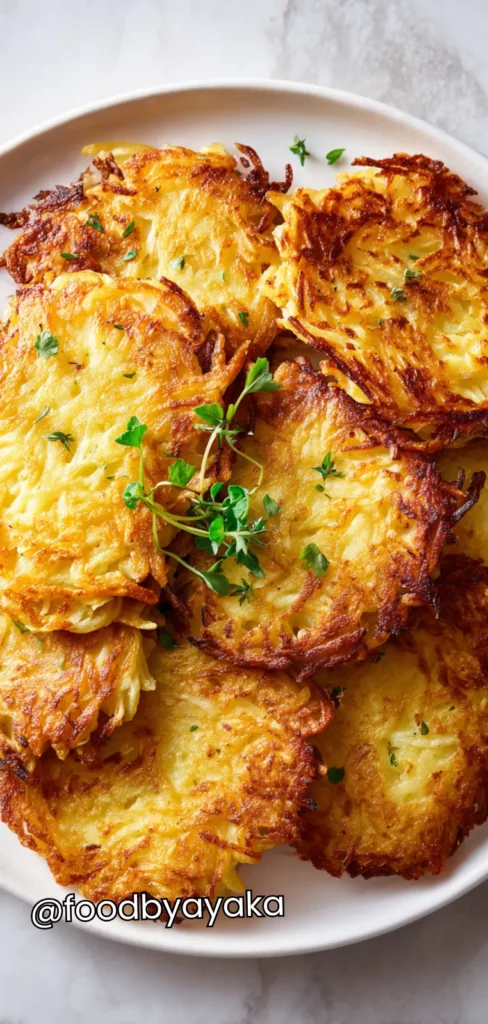
You can serve Potato Rosti hot from the pan, some with a fried or poached egg on top, also with smoked salmon, creamy mushroom sauce, or even a dollop of sour cream for extra indulgence. It pairs beautifully with roasted vegetables or a fresh salad for a full meal.
Its Perfect For:
- Weekend breakfast at home
- Brunch with friends or family
- A side dish for dinner parties
- Pairing with eggs or smoked salmon
- A simple, cozy comfort food
Ingredients
- 4 large potatoes, peeled
- 2 tablespoons unsalted butter (plus extra for frying)
- 1 tablespoon olive oil
- 1/2 teaspoon salt
- 1/4 teaspoon ground black pepper
- Optional: 1/4 teaspoon nutmeg or finely chopped fresh herbs (like chives or parsley)
Kitchen Equipment You’ll Need:
- Large mixing bowl
- Coarse grater
- Clean kitchen towel or cheesecloth
- Nonstick or cast-iron skillet
- Spatula for flipping
- Plate for inverting the rösti
How to Make Potato Rosti
Step 1
Prepare the potatoes: Grate the peeled potatoes using a coarse grater. Place the grated potatoes in a clean kitchen towel or cheesecloth and squeeze out as much liquid as possible—this is key to making crispy rösti. Transfer the drained potatoes to a large bowl and season with salt, pepper, and optional nutmeg or herbs. Mix gently to combine.
Step 2
Heat the pan: In a large nonstick or cast-iron skillet, melt 2 tablespoons of butter with the olive oil over medium heat. Swirl the pan so the fat coats the bottom evenly—this helps the rösti cook into a beautiful golden crust.
Step 3
Cook the rosti: Add the grated potatoes to the skillet and gently press them into an even layer, about 1/2 inch thick. Cook over medium heat for 10–12 minutes without stirring, until the bottom is golden brown and crisp.
Step 4
Flip the rosti: Carefully slide the rösti onto a large plate, then invert the skillet over the plate and flip the rösti back into the pan to cook the other side. Add a little extra butter if needed. Cook for another 10–12 minutes until golden and crispy on both sides.
Step 5
Serve the rosti: Slide the rösti onto a serving plate and cut into wedges. Serve hot as a delicious breakfast side, brunch dish, or accompaniment to roasted meats or eggs. You can also top it with smoked salmon, a fried egg, or sautéed mushrooms for a more indulgent dish.
Tips for Perfect Potato Rosti
- Always squeeze out excess water from the grated potatoes; it ensures crispiness and prevents soggy spots.
- Mix butter and olive oil in the pan for better browning and flavor; it helps create a golden crust.
- Press the potato mixture evenly in the pan; even thickness guarantees uniform cooking.
- Use medium heat while cooking; too high will burn the outside, too low makes it soft inside.
- Flip carefully using a plate; this prevents breaking and keeps the round shape intact.
- Season the potatoes lightly at first; adjust salt after cooking if needed.
- Let the rösti rest for a few minutes before serving; it helps the edges stay crisp.
Optional Ingredients:
- Nutmeg for a subtle warm flavor
- Chopped fresh chives for freshness
- Grated cheese for a cheesy version
- Finely chopped onions for aroma
- Garlic powder for extra taste
- Cooked bacon bits for a savory twist
How to Serve Potato Rosti
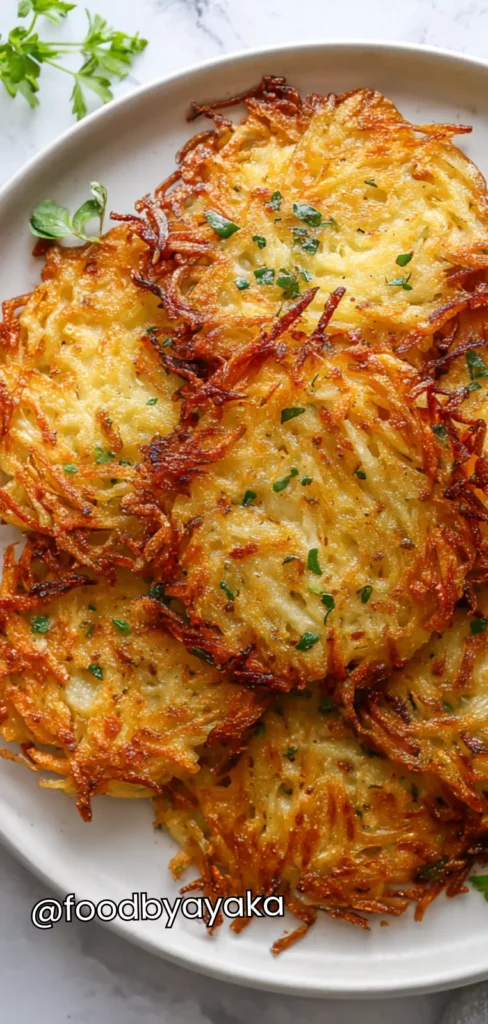
I love serving Potato Rösti hot and fresh, right out of the skillet, so the edges stay golden and crispy. For breakfast, I usually place a perfectly fried or poached egg on top, letting the yolk gently spill over the crispy crust. A sprinkle of fresh herbs like chives or parsley makes it look bright and appetizing, while the buttery rösti soaks up the richness of the egg yolk. It’s simple, indulgent, and everyone always enjoys it.
I also enjoy serving rösti as a side dish for lunch or dinner. Pairing it with roasted vegetables, grilled meats, or even a fresh green salad makes a balanced meal that is both comforting and elegant. Sometimes I drizzle a little creamy sauce, like mushroom or mustard cream, over the top, which adds depth and makes the dish more luxurious.
For brunch or gatherings, I like making smaller rounds of rösti as bite-sized portions. I top them with smoked salmon, sour cream, or sautéed mushrooms to create fun, shareable appetizers. It’s a dish that looks fancy but is easy to eat, and everyone loves the mix of crispy edges and soft potato inside.
Is Potato Rosti Healthy?
Potato Rösti can be healthy if made with minimal oil and served with vegetables or lean proteins. Potatoes themselves are a good source of fiber, vitamin C, and potassium, which makes this dish more than just comfort food.
However, it’s best enjoyed in moderation if you add a lot of butter or cheese. Pairing it with fresh ingredients balances the richness, and it becomes a wholesome, satisfying meal without feeling too heavy.
Variations and Substitutions:
- Cheese Rosti: Add grated Swiss or cheddar cheese into the potato mixture; it melts beautifully while cooking, creating a gooey, savory twist.
- Herbed Rosti: Mix in fresh parsley, thyme, or chives; it adds a fragrant, fresh flavor that brightens the dish.
- Onion Rosti: Sauté finely chopped onions before mixing with the potatoes; the caramelized flavor adds depth.
- Sweet Potato Rosti: Use grated sweet potatoes instead; it gives a natural sweetness and vibrant color.
- Gluten-Free Rosti: Stick to potatoes only and skip any flour; naturally gluten-free and still crispy.
- Bacon Rosti: Fold in small cooked bacon pieces; adds a smoky, savory punch that everyone loves.
- Mini Rosti Bites: Shape into smaller rounds; perfect as appetizers or finger food for parties.
- Spicy Rosti: Add a pinch of chili flakes or paprika; gives a subtle heat that pairs well with eggs or cheese.
How to Store and Reheat
To store Potato Rösti, allow it to cool completely, then wrap tightly in foil or place in an airtight container. You can refrigerate for up to three days. Avoid stacking too many at once, as it may make them soggy.
To reheat, place the rösti in a nonstick skillet over medium heat with a small amount of butter or oil. Cook each side for 3–4 minutes until warm and crispy again. You can also reheat in the oven at 350°F (175°C) for about 10 minutes. Avoid microwaving if you want to keep them crispy.
Frequently Asked Questions About Potato Rosti
Can I make Potato Rosti ahead of time?
Yes! You can grate and store the potatoes in cold water for up to 24 hours. When ready to cook, drain and squeeze out excess water thoroughly. This ensures your rösti stays crispy instead of soggy.
Can I use frozen potatoes?
Frozen potatoes are not ideal because they release more water, which can make the rösti mushy. If you must use them, thaw completely and squeeze out all moisture before cooking to keep the crispiness.
Can I add other vegetables?
Yes! Grated carrots, zucchini, or parsnips work well. Make sure to squeeze out excess water from these vegetables too; otherwise, the rösti may not crisp up properly. You can also add small amounts of onions or herbs for extra flavor.How do I flip the rosti without breaking it?
Use a wide spatula to loosen the edges first. Then slide the rösti onto a plate, invert the pan over the plate, and carefully flip. Take your time, as the golden crust is delicate but worth the care.

Potato Rosti Recipe
Course: Breakfast, Side DishCuisine: Swiss / EuropeanDifficulty: EasyServings
4
servingsPrep time
15
minutesCooking time
25
minutesCrispy Potato Rosti recipe: golden, buttery, and easy to make. Perfect for breakfast, brunch, or as a delicious side dish. Try it today!
Ingredients
4 large potatoes, peeled
2 tablespoons unsalted butter (plus extra for frying)
1 tablespoon olive oil
1/2 teaspoon salt
1/4 teaspoon ground black pepper
Optional: 1/4 teaspoon nutmeg or finely chopped fresh herbs (like chives or parsley)
Directions
- Prepare the potatoes: Grate the peeled potatoes using a coarse grater. Place the grated potatoes in a clean kitchen towel or cheesecloth and squeeze out as much liquid as possible—this is key to making crispy rösti. Transfer the drained potatoes to a large bowl and season with salt, pepper, and optional nutmeg or herbs. Mix gently to combine.
- Heat the pan: In a large nonstick or cast-iron skillet, melt 2 tablespoons of butter with the olive oil over medium heat. Swirl the pan so the fat coats the bottom evenly—this helps the rösti cook into a beautiful golden crust.
- Cook the rosti: Add the grated potatoes to the skillet and gently press them into an even layer, about 1/2 inch thick. Cook over medium heat for 10–12 minutes without stirring, until the bottom is golden brown and crisp.
- Flip the rosti: Carefully slide the rösti onto a large plate, then invert the skillet over the plate and flip the rösti back into the pan to cook the other side. Add a little extra butter if needed. Cook for another 10–12 minutes until golden and crispy on both sides.
- Serve the rosti: Slide the rösti onto a serving plate and cut into wedges. Serve hot as a delicious breakfast side, brunch dish, or accompaniment to roasted meats or eggs. You can also top it with smoked salmon, a fried egg, or sautéed mushrooms for a more indulgent dish.