
Quick & Easy Recipes for Everyday Cooks
Welcome to Food By Ayaka!
Pasta Primavera Recipe
My husband isn’t usually a “vegetable-first” kind of person, but he really enjoys this dish because in every bite, there’s a balance of flavors, textures, and a subtle hint of garlic that keeps it exciting and fresh. He often says it reminds him of dining out, yet it’s so simple to prepare at home. Pasta Primavera is one of my favorite go-to dishes for busy weeknights or light weekend meals.
It’s bright, colorful, and packed with fresh vegetables that make every bite a little celebration. The combination of tender pasta and lightly sautéed veggies coated in a flavorful olive oil and garlic sauce makes this dish comforting but not heavy. What I love most is how easy it is to make and how it can be customized to include any vegetables you have on hand.
I have tried many variations over the years, and I use fresh, seasonal vegetables whenever possible. Always make sure to cook them just until tender-crisp, so they keep their vibrant colors and natural flavors. I also love finishing the dish with a squeeze of lemon juice and a sprinkle of Parmesan cheese, which adds brightness and richness without overwhelming the delicate vegetables.
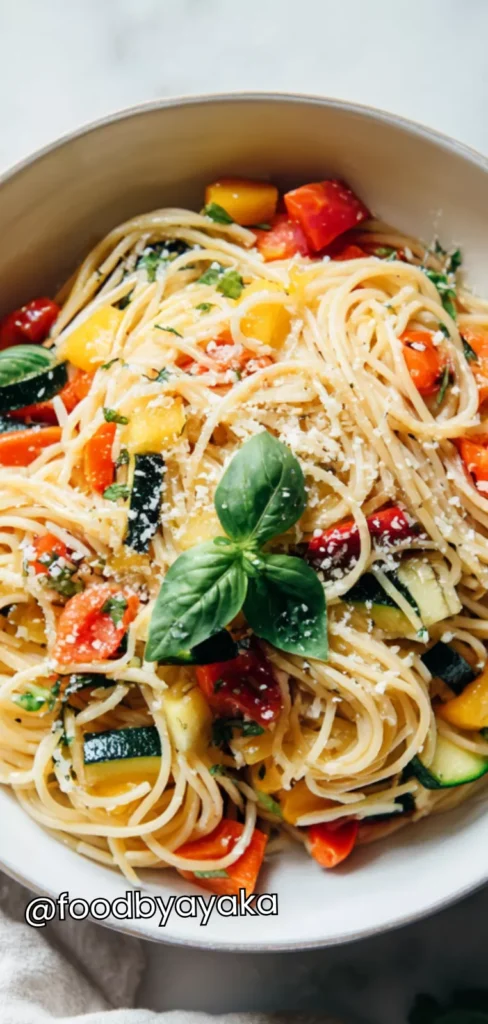
You can serve Pasta Primavera on its own as a light, satisfying meal, some crusty bread on the side is always a nice addition, and also with a simple green salad for a complete, fresh lunch or dinner experience. It’s the kind of dish that works for both casual family meals and when you have friends over because it’s quick, easy, and impressive.
Its Perfect For:
- Quick weeknight dinners when you want something healthy and filling.
- Lunches with friends or family, light but satisfying.
- Seasonal vegetable meals that highlight fresh produce.
- Special occasions where you want a colorful, eye-catching dish.
- Meal prep for the week, easy to pack and enjoy cold or reheated.
Ingredients
- 12 oz pasta (penne, fusilli, or spaghetti)
- 2 tablespoons olive oil
- 3 cloves garlic, minced
- 1 small onion, thinly sliced
- 1 red bell pepper, thinly sliced
- 1 yellow bell pepper, thinly sliced
- 1 medium zucchini, sliced into half-moons
- 1 medium carrot, julienned
- 1 cup broccoli florets
- 1/2 cup cherry tomatoes, halved
- 1/2 teaspoon salt (adjust to taste)
- 1/4 teaspoon black pepper
- 1/2 teaspoon dried Italian herbs or oregano
- 1/4 cup grated Parmesan cheese
- 2 tablespoons fresh parsley, chopped
- Juice of 1/2 lemon
Kitchen Equipment You’ll Need
- Large pot for boiling pasta.
- Large skillet or sauté pan for vegetables.
- Colander to drain the pasta.
- Cutting board and sharp knife for prepping vegetables.
- Wooden spoon or spatula for tossing ingredients.
- Measuring cups and spoons for precise seasoning.
- Citrus juicer for a fresh lemon finish (optional).
How to Make Pasta Primavera
Step 1
Cook the pasta: Bring a large pot of salted water to a boil. Add your pasta and cook according to package instructions until al dente. Drain, reserving about 1/2 cup of pasta water, and set aside.
Step 2
Sauté the vegetables: While the pasta cooks, heat olive oil in a large skillet over medium heat. Add garlic and onion, sautéing for 2–3 minutes until fragrant and slightly softened. Then add the bell peppers, zucchini, carrot, and broccoli. Cook for 5–7 minutes, stirring occasionally, until the vegetables are tender-crisp.
Step 3
Add seasonings: Stir in salt, black pepper, and dried Italian herbs. Toss gently to combine so every vegetable is lightly coated. Add cherry tomatoes last and cook for 1–2 minutes, just until they start to soften but remain bright.
Step 4
Combine pasta and vegetables: Add the cooked pasta to the skillet with vegetables. Toss everything together, adding a little reserved pasta water as needed to help coat the pasta in the flavors and create a light sauce.
Step 5
Finish and serve: Remove from heat, drizzle with fresh lemon juice, sprinkle with Parmesan cheese, and garnish with chopped parsley. Serve immediately while warm for a colorful, fresh, and vibrant Pasta Primavera that’s perfect for any occasion.
Tips for best Pasta Primavera
- Cook pasta al dente so it holds up when tossed with vegetables. Overcooked pasta becomes mushy and loses its texture. Always taste before draining.
- Use fresh vegetables whenever possible. Frozen vegetables can work, but fresh ones give better color and crunch. Slice them uniformly to ensure even cooking.
- Don’t overcrowd the skillet. Cook vegetables in batches if necessary, so they sauté instead of steam. This keeps them tender-crisp.
- Reserve a little pasta water before draining. Adding it while tossing helps the sauce cling to the pasta naturally.
- Season as you go. Add salt and pepper gradually to avoid over-seasoning, and adjust at the end to taste.
- Add a squeeze of lemon juice at the end to brighten flavors. It lifts the vegetables and balances the olive oil.
- Garnish last. Fresh herbs or grated cheese should be added at the end to maintain their freshness and aroma.
Optional Ingredients
- Sun-dried tomatoes for a tangy bite.
- Red pepper flakes for mild heat.
- Pine nuts or walnuts for crunch.
- Fresh basil or oregano for extra herbal flavor.
- Cream or cream cheese for a richer, slightly creamy sauce.
- Grilled chicken or shrimp to make it a heartier meal.
How to Serve Pasta Primavera?
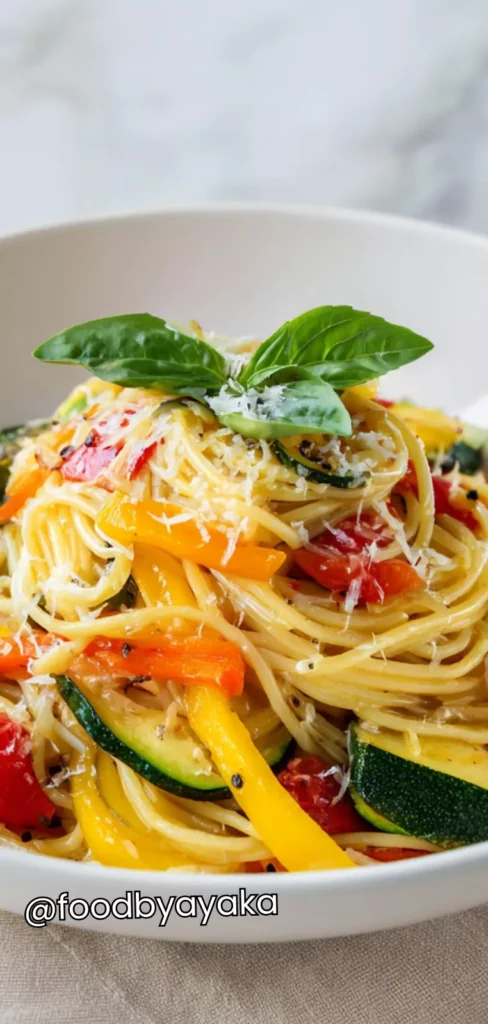
I love serving Pasta Primavera immediately after tossing it in the skillet. I often place it on a large serving dish so everyone can help themselves. The vegetables stay vibrant, and the pasta keeps its light, spring-like feel. I sometimes drizzle a little extra olive oil on top to give the pasta a nice sheen and to enhance the flavors.
I also like to pair it with a simple side, like a mixed green salad with a light vinaigrette. This adds freshness and a crisp texture that complements the tender vegetables and soft pasta. For a slightly heartier meal, I sometimes serve it with warm, crusty bread or garlic bread on the side. It’s perfect for scooping up the delicious juices left in the pan.
I sometimes prepare it in individual bowls when serving guests, adding a small sprinkle of Parmesan and fresh herbs on top. This makes it look special and invites everyone to dig in. I also like to place a few roasted cherry tomatoes or a few olives on the side for added color and flavor. Warm, colorful, and aromatic, it’s a dish that always gets compliments and often disappears quickly from the table.
Is Pasta Primavera Healthy?
Yes! Pasta Primavera is very healthy because it focuses on fresh vegetables, olive oil, and minimal heavy ingredients. It provides fiber, vitamins, and minerals from the variety of vegetables, while olive oil gives a dose of heart-healthy fats.
It’s also low in calories when compared to creamy pasta dishes, making it a perfect option for light meals. You can easily adjust it for dietary preferences by using whole-grain pasta or skipping cheese, and it still tastes delicious and satisfying.
Variations and Substitutions
- Chicken Primavera: Add cooked, shredded chicken for extra protein. Toss it in with vegetables before serving. Perfect for a filling family meal.
- Shrimp Primavera: Lightly sauté shrimp in garlic and olive oil. Mix with pasta and vegetables for a seafood twist.
- Creamy Primavera: Stir in a splash of cream or cream cheese at the end. Gives a smooth, rich texture to the dish.
- Whole Wheat Pasta Primavera: Use whole wheat pasta for extra fiber and a nutty flavor. Works great with robust vegetables.
- Vegan Primavera: Skip the cheese or use a plant-based Parmesan. Olive oil and lemon keep it flavorful.
- Pesto Primavera: Add 2–3 tablespoons of fresh basil pesto. It makes the pasta aromatic and adds a unique twist.
- Roasted Vegetable Primavera: Roast the vegetables before tossing with pasta. Deepens flavor and adds a slightly caramelized taste.
- Spicy Primavera: Add red pepper flakes or a dash of chili powder. Gives a kick without overpowering the vegetables.
How to Store, How to Reheat
Pasta Primavera can be stored in an airtight container in the refrigerator for up to 3 days. Keep the pasta and vegetables together, but if you plan to reheat, store a small splash of olive oil or reserved pasta water separately to refresh the dish.
To reheat, warm it gently in a skillet over medium heat. Add a little olive oil or water to prevent sticking. Toss frequently until heated through, then finish with fresh herbs and a sprinkle of Parmesan to revive the flavors. Avoid microwaving for long periods, as the vegetables may become mushy.
Frequently Asked Questions About Pasta Primavera
Can I make Pasta Primavera ahead of time?
Yes, you can prepare the vegetables and cook the pasta ahead of time. Store them separately in airtight containers. Reheat gently to preserve the color and texture of the vegetables.
Which pasta works best for this recipe?
Penne, fusilli, and spaghetti are ideal because they hold the sauce and vegetables well. You can also try farfalle or rigatoni for a different look and bite.
Can I use frozen vegetables instead of fresh?
Yes, frozen vegetables are convenient. Thaw and drain them first to avoid excess water, which can make the pasta soggy. Cook them just until tender to maintain texture.
How can I make Pasta Primavera vegan?
Skip the Parmesan or use a plant-based cheese alternative. Use olive oil generously and add a squeeze of fresh lemon for brightness. The dish will remain flavorful and satisfying.
Pasta Primavera Recipe
Cuisine: Italian-AmericanDifficulty: EasyServings
4
servingsPrep time
15
minutesCooking time
20
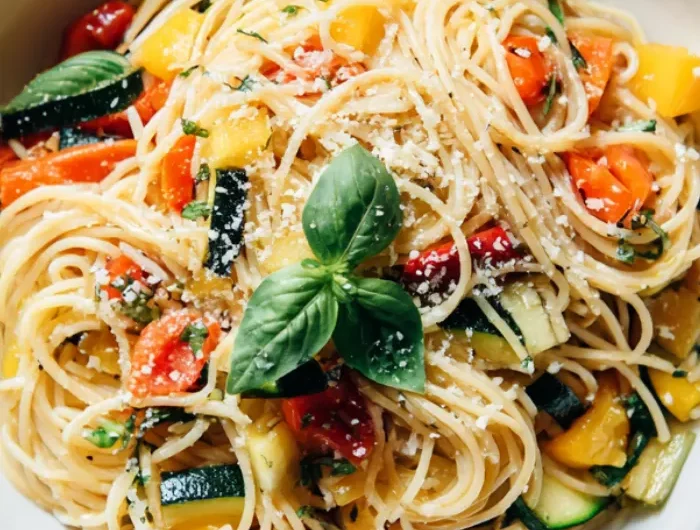
minutesDiscover the easy and colorful Pasta Primavera recipe! Packed with fresh vegetables, vibrant flavors, and simple ingredients, it’s perfect for weeknight dinners, healthy lunches, or entertaining guests.
Ingredients
12 oz pasta (penne, fusilli, or spaghetti)
2 tablespoons olive oil
3 cloves garlic, minced
1 small onion, thinly sliced
1 red bell pepper, thinly sliced
1 yellow bell pepper, thinly sliced
1 medium zucchini, sliced into half-moons
1 medium carrot, julienned
1 cup broccoli florets
1/2 cup cherry tomatoes, halved
1/2 teaspoon salt (adjust to taste)
1/4 teaspoon black pepper
1/2 teaspoon dried Italian herbs or oregano
1/4 cup grated Parmesan cheese
2 tablespoons fresh parsley, chopped
Juice of 1/2 lemon
Directions
- Cook the pasta: Bring a large pot of salted water to a boil. Add your pasta and cook according to package instructions until al dente. Drain, reserving about 1/2 cup of pasta water, and set aside.
- Sauté the vegetables: While the pasta cooks, heat olive oil in a large skillet over medium heat. Add garlic and onion, sautéing for 2–3 minutes until fragrant and slightly softened. Then add the bell peppers, zucchini, carrot, and broccoli. Cook for 5–7 minutes, stirring occasionally, until the vegetables are tender-crisp.
- Add seasonings: Stir in salt, black pepper, and dried Italian herbs. Toss gently to combine so every vegetable is lightly coated. Add cherry tomatoes last and cook for 1–2 minutes, just until they start to soften but remain bright.
- Combine pasta and vegetables: Add the cooked pasta to the skillet with vegetables. Toss everything together, adding a little reserved pasta water as needed to help coat the pasta in the flavors and create a light sauce.
- Finish and serve: Remove from heat, drizzle with fresh lemon juice, sprinkle with Parmesan cheese, and garnish with chopped parsley. Serve immediately while warm for a colorful, fresh, and vibrant Pasta Primavera that’s perfect for any occasion.