
Quick & Easy Recipes for Everyday Cooks
Welcome to Food By Ayaka!
Lambert’s Throwed Rolls Recipe
Last week I was craving something warm and homey, but the weather in my city was cold and gloomy, so baking bread felt like the only thing that could brighten my day. I remembered Lambert’s Throwed Rolls and instantly knew I had to make them because nothing beats that soft, fluffy texture fresh from the oven. It filled my home with a buttery smell, my mood lifted, and I ended up feeling so calm and relaxed afterward. These rolls always bring me back to childhood moments when warm bread was the highlight of family dinners.
I have made this recipe many times, and every single time it comes out soft and pillowy. I use warm whole milk, melted butter, and just enough sugar to make the rolls lightly sweet without being heavy. Always take your time while kneading, because that’s the secret to rolls that rise beautifully. Trust me, if you follow these steps, you’ll get a batch that tastes just like the restaurant version.
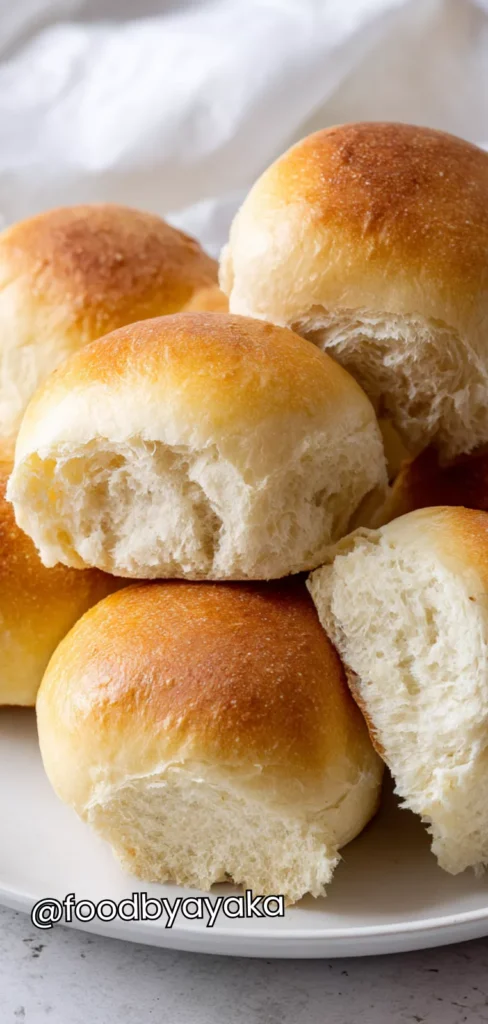
You can serve these rolls with creamy butter, some homemade jam, also with savory dishes like fried chicken, roast beef, grilled pork chops, or even hearty holiday meals. They pair with almost everything, which is why families love them so much.
It’s Perfect For:
- Weekend family dinners
- Holiday meals like Thanksgiving
- Potlucks and sharing with friends
- Comfort-food cravings on cold days
- Meal prepping homemade bread for the week
Ingredients
- 1 cup warm whole milk (110°F / 43°C)
- 1/2 cup warm water
- 1/3 cup granulated sugar
- 1 packet (2 1/4 tsp) active dry yeast
- 1/4 cup unsalted butter, melted
- 1 large egg, lightly beaten
- 1 teaspoon salt
- 4 cups all-purpose flour (plus extra for kneading)
- 2 tablespoons softened butter for brushing
Kitchen Equipment You’ll Need
- Mixing bowl
- Measuring cups and spoons
- Wooden spoon or dough hook mixer
- Baking sheet
- Clean kitchen towel
- Pastry brush
How to Make Lambert’s Throwed Rolls
Step 1
Activate the Yeast: In a large mixing bowl, combine the warm milk, warm water, and sugar. Stir until the sugar fully dissolves. Sprinkle the active dry yeast over the top and let it sit undisturbed for 5–7 minutes, or until the mixture becomes foamy and bubbly. This step ensures the yeast is fully activated and ready to make your rolls soft, tall, and fluffy.
Step 2
Mix the Dough: Add the melted butter, beaten egg, and salt to the yeast mixture. Stir to combine. Gradually add the flour, about 1 cup at a time, mixing after each addition. As the dough starts to come together, switch to using your hands or a stand mixer with a dough hook. The dough should be soft and slightly sticky but easy to handle. If it feels too wet, add an additional tablespoon of flour at a time until it reaches the right texture.
Step 3
Knead the Dough: Turn the dough out onto a lightly floured surface. Knead for 8–10 minutes, pushing and folding until it becomes smooth, elastic, and no longer sticks to your hands. Proper kneading builds gluten, which gives the rolls their signature stretch and spring when they rise and bake.
Step 4
First Rise: Place the kneaded dough into a lightly oiled bowl, turning it once to coat the top with a thin layer of oil. Cover the bowl with a clean kitchen towel or plastic wrap. Let the dough rise in a warm, draft-free spot for 1 hour, or until doubled in size.
Step 5
Shape the Rolls: Punch down the risen dough gently to release air. Transfer it to a work surface and divide it into 12 equal portions for large Lambert-style rolls. Shape each portion into a smooth ball by tucking the edges underneath and rolling it gently between your palms. Place shaped rolls on a parchment-lined or greased baking sheet, spacing them about 2 inches apart. Cover the rolls loosely with a towel and let them rise again for 30 minutes. They should look puffier and soft to the touch.
Step 6
Bake the Rolls: Preheat your oven to 375°F (190°C). Bake the rolls for 12–15 minutes, or until the tops are golden brown and the bottoms sound hollow when tapped. Avoid opening the oven door too often, as temperature drops can affect how high the rolls rise.
Step 7
Butter and Serve: Remove the warm rolls from the oven and immediately brush them generously with softened butter. The butter melts into the fluffy tops, giving the rolls that irresistible Lambert’s shine and soft, melt-in-your-mouth texture. Serve warm—and if you want to keep the “throwed rolls” tradition alive, toss one gently to anyone who asks!
Tips for Best Lambert’s Throwed Rolls
- Warm your liquids properly:
Make sure the milk and water are warm—not hot—so the yeast activates without dying. This helps the dough rise faster and gives the rolls their fluffy texture. - Don’t rush the rise times:
Let the dough double in size naturally in a warm, draft-free spot. If you rush it, the rolls can come out dense instead of airy and soft. - Use fresh yeast every time:
Old yeast can prevent proper rising, so check the expiration date. Fresh yeast guarantees light, bakery-style rolls. - Knead until smooth and stretchy:
The dough should pull like soft elastic and feel silky. This step builds gluten, which gives the rolls their beautiful structure. - Keep the dough slightly sticky:
Avoid adding too much flour or the rolls will turn dry. A soft dough always leads to the best, most tender results. - Butter the tops right away:
Brush the rolls while they’re still warm so the butter melts into every little crack. It gives that shiny golden finish and rich flavor. - Use high-quality butter:
A rich butter deepens the flavor and makes the rolls more aromatic. It may seem simple, but the quality truly makes a difference.
Optional Ingredients
- Honey for a sweeter flavor
- Egg wash for a shinier crust
- Sea salt flakes on top
- Garlic butter for a savory version
- Whole wheat flour (partial mix)
- Cinnamon sugar for sweet breakfast rolls
How to Serve Lambert’s Throwed Rolls
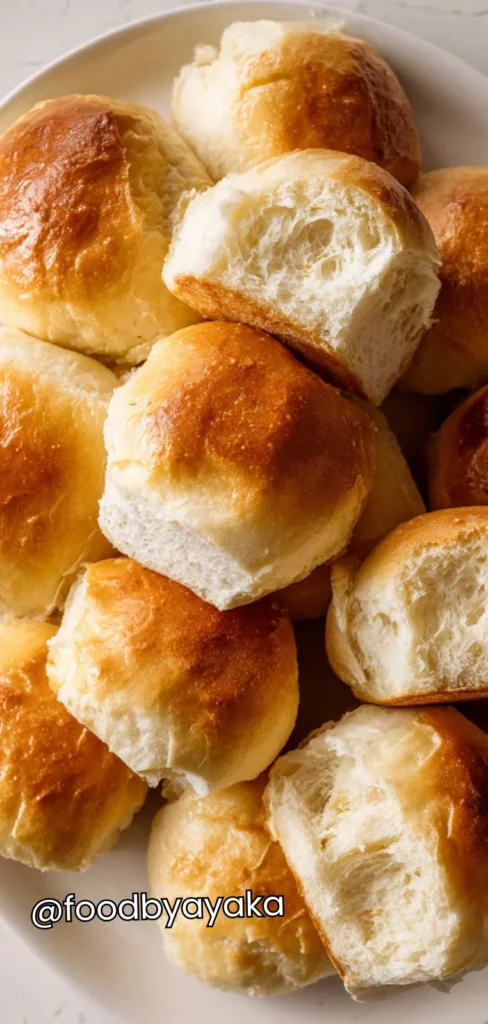
I love serving these rolls warm because that’s when the texture is the softest, the steam rises beautifully, and the butter melts instantly into the top. I usually place them inside a breadbasket lined with a clean towel to trap the warmth. This simple trick keeps the rolls soft for much longer and makes the presentation look cozy and inviting at the table.
I also like to offer a small selection of spreads on the side so guests can choose what they want. Honey, salted butter, whipped cinnamon butter, fruit jam, or even a savory garlic-herb spread all work so well with the gentle sweetness of the rolls. When I serve a larger meal, I pair these rolls with hearty dishes like roast chicken, beef stew, or baked pork chops because they help balance the richness of the main dish.
I find these rolls incredibly versatile, so I serve them for breakfast, lunch, or dinner depending on my mood. For breakfast I pair them with eggs or bacon; for lunch I use them as slider buns; and for dinner they become the soft, buttery side that everyone reaches for first. No matter how I serve them, they always become the highlight of the meal.
Is Lambert’s Throwed Rolls Healthy?
These rolls aren’t considered “healthy,” but they can still be enjoyed in moderation. They contain sugar, milk, and butter, which make them delicious and comforting but not low-calorie.
However, you can improve the nutrition by using part whole-wheat flour, reducing sugar, or swapping regular butter for a lighter version. Just remember: homemade bread is still cleaner than store-bought because you control all the ingredients.
Variations and Substitutions
- Honey Butter Rolls
Replace part of the sugar with honey and brush warm rolls with honey butter. They turn out slightly sweeter and have a lovely golden aroma that’s perfect for breakfast. - Whole Wheat Rolls
Use half all-purpose and half whole-wheat flour to keep the texture soft but add more fiber. The rolls become slightly denser but still very fluffy when kneaded well. - Garlic Herb Rolls
Mix parsley, garlic powder, and oregano into melted butter and brush it over the warm rolls. This version is perfect for pasta nights or savory family dinners. - Cinnamon Sugar Rolls
Roll the dough into small balls and dip them in melted butter, then cinnamon sugar. They become mini sweet rolls that taste like soft doughnut holes. - Vegan Rolls
Swap milk with warm almond milk and butter with coconut oil or vegan butter. They come out surprisingly soft while keeping the taste close to the original. - Cheese-Stuffed Rolls
Add a cube of mozzarella or cheddar inside each dough ball before baking. The cheese melts inside and gives you a gooey surprise with every bite. - Sweet Milk Rolls
Add an extra tablespoon of sugar and replace water with milk. These rolls come out richer and are great for people who love a sweeter bread. - Mini Slider Rolls
Shape the dough into smaller balls and bake them for less time. They become perfect mini buns for sliders, pulled pork, or party sandwiches.
How to Store & How to Reheat
To store the rolls, let them cool completely and place them in an airtight container or zip bag. They stay soft for about 2–3 days at room temperature and can last up to a week in the refrigerator. If you want to keep them longer, freeze them for up to 2 months.
To reheat, warm them in the oven at 300°F (150°C) for about 8 minutes or microwave them for 10–12 seconds. Add a little butter before reheating if you want them to taste freshly baked again.
Frequently Asked Questions About Lambert’s Throwed Rolls
1. Why didn’t my rolls rise?
There are several reasons this can happen. Your yeast may have been expired, which prevents activation and rising, or your liquids might have been too hot and killed the yeast before it could work. Another reason could be placing the dough in a cold or drafty area during rising. Always check yeast freshness, keep liquids warm (never hot), and let the dough rise in a cozy, warm corner of your kitchen.
2. Can I make the dough ahead of time?
Yes, this recipe works beautifully when prepared ahead. After the first rise, you can place the dough in an oiled bowl, cover it tightly, and refrigerate it overnight. The slower rise in the fridge actually boosts the flavor. When you’re ready to bake, just bring the dough to room temperature, shape the rolls, let them rise again, and bake as usual.
3. Can I freeze the dough or the baked rolls?
Absolutely. You can freeze the shaped dough balls before the second rise—just thaw them on a baking sheet and allow them to rise fully before baking. If you prefer to freeze the baked rolls, let them cool completely and place them in a freezer-safe bag. They reheat wonderfully and taste almost as fresh as day one.
4. Why are my rolls dense or heavy?
Dense rolls are usually caused by adding too much flour or not kneading long enough. The dough should remain slightly sticky; adding too much flour dries it out and prevents rising. Kneading properly is also very important because it helps develop gluten, which creates the soft and airy texture. Also, check that your yeast is still active.
Lambert’s Throwed Rolls Recipe
Course: SidesCuisine: AmericanDifficulty: EasyServings
12
servingsPrep time
20
minutesCooking time
15
minutesResting time
1
hour30
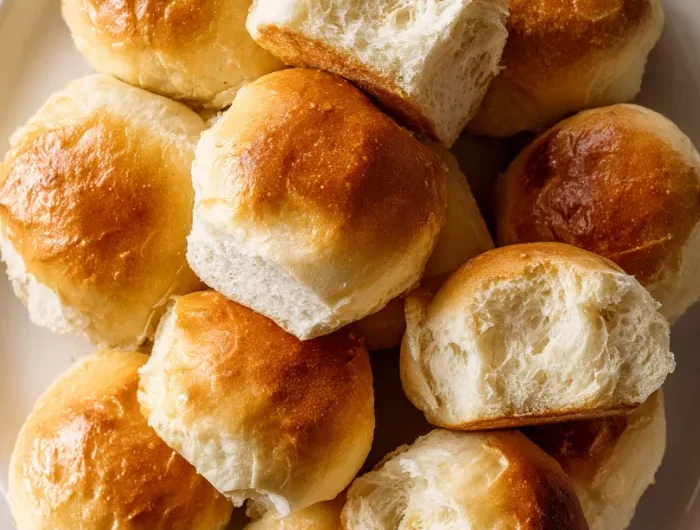
minutesLearn how to make Lambert’s famous Throwed Rolls at home! Soft, buttery, and fluffy, these rolls are perfect for family dinners, holidays, or cozy meals. Easy step-by-step recipe included.
Ingredients
1 cup warm whole milk (110°F / 43°C)
1/2 cup warm water
1/3 cup granulated sugar
1 packet (2 1/4 tsp) active dry yeast
1/4 cup unsalted butter, melted
1 large egg, lightly beaten
1 teaspoon salt
4 cups all-purpose flour (plus extra for kneading)
2 tablespoons softened butter for brushing
Directions
- Activate the Yeast: In a large mixing bowl, combine the warm milk, warm water, and sugar. Stir until the sugar fully dissolves. Sprinkle the active dry yeast over the top and let it sit undisturbed for 5–7 minutes, or until the mixture becomes foamy and bubbly. This step ensures the yeast is fully activated and ready to make your rolls soft, tall, and fluffy.
- Mix the Dough: Add the melted butter, beaten egg, and salt to the yeast mixture. Stir to combine. Gradually add the flour, about 1 cup at a time, mixing after each addition. As the dough starts to come together, switch to using your hands or a stand mixer with a dough hook. The dough should be soft and slightly sticky but easy to handle. If it feels too wet, add an additional tablespoon of flour at a time until it reaches the right texture.
- Knead the Dough: Turn the dough out onto a lightly floured surface. Knead for 8–10 minutes, pushing and folding until it becomes smooth, elastic, and no longer sticks to your hands. Proper kneading builds gluten, which gives the rolls their signature stretch and spring when they rise and bake.
- First Rise: Place the kneaded dough into a lightly oiled bowl, turning it once to coat the top with a thin layer of oil. Cover the bowl with a clean kitchen towel or plastic wrap. Let the dough rise in a warm, draft-free spot for 1 hour, or until doubled in size.
- Shape the Rolls: Punch down the risen dough gently to release air. Transfer it to a work surface and divide it into 12 equal portions for large Lambert-style rolls. Shape each portion into a smooth ball by tucking the edges underneath and rolling it gently between your palms. Place shaped rolls on a parchment-lined or greased baking sheet, spacing them about 2 inches apart.
- Second Rise: Cover the rolls loosely with a towel and let them rise again for 30 minutes. They should look puffier and soft to the touch.
- Bake the Rolls: Preheat your oven to 375°F (190°C). Bake the rolls for 12–15 minutes, or until the tops are golden brown and the bottoms sound hollow when tapped. Avoid opening the oven door too often, as temperature drops can affect how high the rolls rise.
- Butter and Serve: Remove the warm rolls from the oven and immediately brush them generously with softened butter. The butter melts into the fluffy tops, giving the rolls that irresistible Lambert’s shine and soft, melt-in-your-mouth texture. Serve warm—and if you want to keep the “throwed rolls” tradition alive, toss one gently to anyone who asks!