
Quick & Easy Recipes for Everyday Cooks
Welcome to Food By Ayaka!
Gochujang Chicken Skillet Recipe
I like this Gochujang Chicken Skillet because it feels bold and comforting at the same time, but what I love most is how the spicy flavor never becomes overwhelming. In this recipe, the gochujang is deep, slightly sweet, and smoky, and it wraps the chicken in a glossy sauce that feels warm and satisfying. It is the kind of dish that fills the kitchen with an amazing smell and instantly makes everyone curious about what is cooking.
I have cooked many skillet chicken recipes over the years, but I always come back to this one because it is fast, reliable, and full of personality. I use simple pantry ingredients, one pan, and very little prep, always making sure the sauce has time to thicken properly. This recipe fits perfectly into busy days, yet it still feels special enough to serve when guests are around.
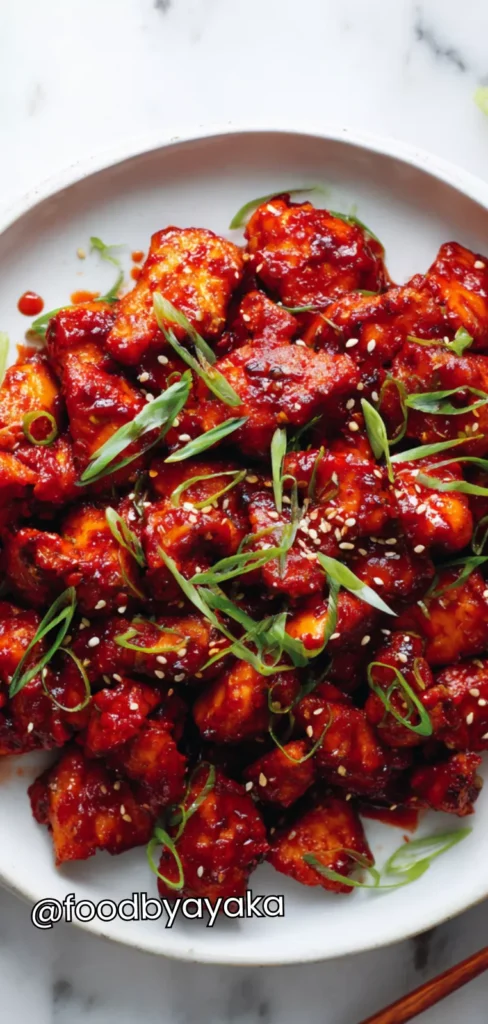
You can serve this dish with rice, some fresh vegetables, also with noodles or even wrapped in lettuce cups. It is flexible, friendly, and easy to adjust, which is why it has become one of my most repeated skillet meals at home.
Its Perfect For:
- Busy Weeknights
- Spicy Food Lovers
- Family Dinners
- Meal Prep Cooking
- Casual Entertaining
Ingredients
- 1½ lbs boneless, skinless chicken thighs or breasts, cut into bite-sized pieces
- 3 tablespoons gochujang (Korean chili paste)
- 2 tablespoons soy sauce
- 1 tablespoon honey or brown sugar
- 1 tablespoon rice vinegar
- 1 tablespoon sesame oil
- 1 tablespoon neutral cooking oil (vegetable or canola)
- 3 cloves garlic, minced
- 1 teaspoon fresh ginger, grated
- ½ teaspoon ground black pepper
- ½ teaspoon red chili flakes (optional, for extra heat)
- 1 tablespoon cornstarch
- ¼ cup water
- 2 green onions, sliced (for garnish)
- Sesame seeds, for garnish
Kitchen Equipment You’ll Need
- A large heavy skillet is the most important tool, preferably nonstick or cast iron, because it helps brown the chicken properly.
- A sharp knife and cutting board make prep easy and safe.
- A small bowl for mixing the sauce helps keep flavors balanced.
- Measuring spoons ensure the sauce is not too salty or sweet.
- A wooden spoon or spatula is best for stirring without scratching the pan.
How to Make Gochujang Chicken Skillet
Step 1
Prepare the sauce: In a medium bowl, whisk together the gochujang, soy sauce, honey, rice vinegar, sesame oil, minced garlic, grated ginger, black pepper, and red chili flakes if using. Stir well until the sauce is smooth and glossy, making sure the gochujang is fully dissolved and evenly mixed with the other ingredients. Set the sauce aside so the flavors can meld while you prepare the chicken.
Step 2
Season and coat the chicken: Place the chicken pieces in a large bowl. Sprinkle the cornstarch over the chicken and toss gently until each piece is lightly coated. This step helps the chicken develop a light crust when cooked and also thickens the sauce later, giving the dish a rich, clingy glaze.
Step 3
Sear the chicken: Heat the neutral cooking oil in a large skillet over medium-high heat. Once the oil is hot and shimmering, add the chicken pieces in a single layer. Cook for about 4–5 minutes without moving them too much, allowing the chicken to develop a golden-brown sear. Flip the pieces and cook for another 3–4 minutes until the chicken is mostly cooked through and nicely browned on all sides.
Step 4
Add the sauce: Reduce the heat to medium. Pour the prepared gochujang sauce over the chicken, stirring gently to coat every piece evenly. Add the water to the skillet to loosen the sauce and help it simmer evenly. As the sauce heats, it will begin to bubble and thicken, clinging to the chicken and creating a deep red, glossy coating.
Step 5
Simmer and finish: Let the chicken simmer in the sauce for 5–7 minutes, stirring occasionally, until the sauce has thickened to your desired consistency and the chicken is fully cooked and tender. Taste and adjust seasoning if needed, adding a little more honey for sweetness or soy sauce for saltiness.
Step 6
Garnish and serve: Remove the skillet from the heat and sprinkle sliced green onions and sesame seeds over the top for freshness and texture. Serve the gochujang chicken hot, straight from the skillet, with steamed rice, noodles, or sautéed vegetables to soak up the extra sauce.
Tips for the Best Gochujang Chicken Skillet
- Cut the chicken evenly so it cooks at the same speed.
Uneven pieces can dry out or stay raw inside.
Uniform size gives the best texture. - Do not overcrowd the skillet when searing.
Too much chicken releases water instead of browning.
Brown in batches if needed. - Always lower the heat before adding the sauce.
High heat can burn gochujang quickly.
Medium heat keeps the sauce smooth. - Let the sauce simmer gently, not boil hard.
Slow simmer thickens naturally.
This gives a glossy, rich finish. - Taste before serving and adjust carefully.
Add sweetness, salt, or vinegar little by little.
Balance is everything here. - Use thighs for extra juicy chicken.
Breasts work, but thighs stay tender longer.
They forgive overcooking better. - Finish with freshness like green onions.
They cut through the rich sauce.
They also make the dish look alive.
Optional Ingredients
- Mushrooms for extra earthiness
- Bell peppers for sweetness and color
- Spinach stirred in at the end
- A splash of coconut milk for creaminess
- Extra chili flakes for more heat
- A squeeze of lime for brightness
How to Serve Gochujang Chicken Skillet?
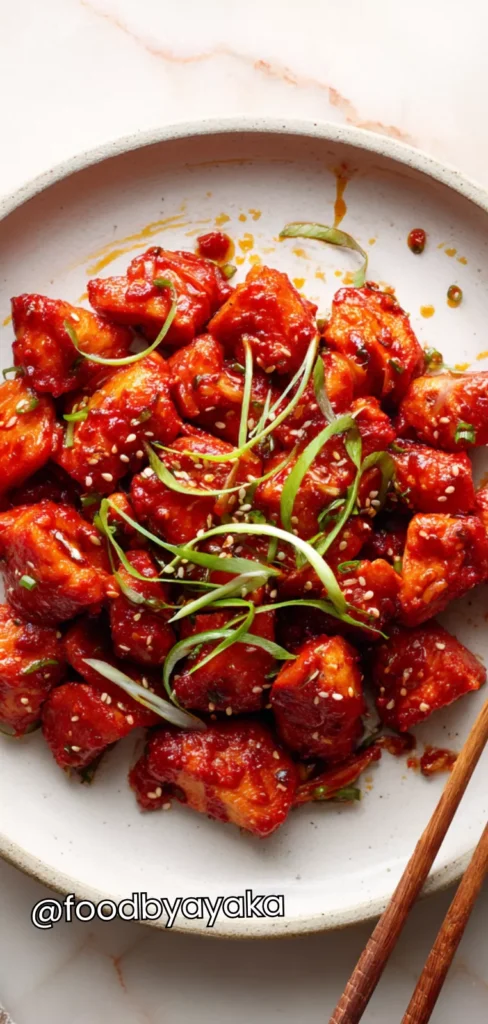
I like serving this Gochujang Chicken Skillet straight from the pan, right when the sauce is still glossy and hot. I place the skillet in the center of the table and let everyone help themselves, because it creates a warm and casual feeling. I usually pair it with freshly steamed white rice so every spoonful of sauce has something soft and comforting to soak into.
I also enjoy serving it in individual bowls, especially when I want the meal to feel a little more special. I start with a base of rice or noodles, then spoon the chicken and sauce generously on top. I finish each bowl with green onions and sesame seeds, which add freshness and make the dish feel balanced and complete.
I sometimes serve this dish as part of a bigger meal, especially when friends are over. I add light sides like cucumber salad, sautéed greens, or simple pickled vegetables. These fresh sides help cut through the richness of the sauce and make the entire meal feel lighter and more refreshing.
Is Gochujang Chicken Skillet Healthy?
This dish can be a healthy choice when made at home because you control the ingredients and portions. It uses lean protein, simple fats, and a sauce that is rich in flavor, so you do not need a lot of it to feel satisfied.
When paired with vegetables and moderate rice portions, it becomes a balanced meal that feels nourishing without feeling heavy. Adjusting sugar and oil easily makes it fit different eating styles.
Variations and Substitutions
- Spicy Honey Version
Add extra honey to the sauce for sweetness.
The heat becomes softer and rounder.
Perfect for beginners.
Great with rice. - Vegetable-Heavy Version
Add zucchini, carrots, and bell peppers.
Cook vegetables separately first.
Mix everything at the end.
Colorful and lighter. - Low-Sodium Version
Use low-sodium soy sauce.
Add extra garlic and ginger.
Flavor stays deep.
Salt stays controlled. - Creamy Gochujang Version
Stir in a little cream or coconut milk.
Sauce becomes smooth and mild.
Heat softens gently.
Feels luxurious. - Tofu Substitute Version
Use firm tofu instead of chicken.
Pan-fry until golden.
Then add sauce.
Fully plant-based. - Extra Spicy Version
Add gochugaru or chili oil.
Increase heat slowly.
Not for sensitive eaters.
Very bold flavor. - Oven-Finished Version
Sear chicken first on stovetop.
Finish in the oven.
Great for larger batches.
Even cooking. - Sweet Soy Version
Add a splash of sweet soy sauce.
Flavor becomes deeper.
Slightly caramelized taste.
Very comforting.
How to Store, How to Reheat
To store, let the chicken cool completely before transferring it to an airtight container. Keep it in the refrigerator for up to four days, making sure the sauce fully covers the chicken to prevent drying out.
To reheat, warm gently in a skillet over medium-low heat with a splash of water. You can also microwave it in short intervals, stirring in between, so the sauce reheats evenly without breaking. This helps maintain the texture and glossy sauce that makes it so comforting.
Frequently Asked Questions About Gochujang Chicken Skillet
Is gochujang very spicy?
Gochujang has heat, but it is not extremely spicy.
It is more sweet, savory, and deep than sharp.
Most people enjoy it even if they do not love spicy food, and it gives a gentle warmth that builds slowly as you eat.
Can I use chicken breast instead of thighs?
Yes, chicken breast works very well in this recipe.
You just need to watch the cooking time carefully.
Overcooking can make breast meat dry, so sear quickly and finish in the sauce to keep it tender.
Can I make this recipe ahead of time?
Yes, this dish is great for making ahead.
The flavors actually get deeper after resting.
It tastes even better the next day, and it reheats beautifully for lunches or busy weeknights.
Is this recipe kid-friendly?
It can be made kid-friendly very easily.
Just reduce the amount of gochujang.
Adding a little extra honey helps soften the heat, while still keeping the rich flavor of the sauce intact.
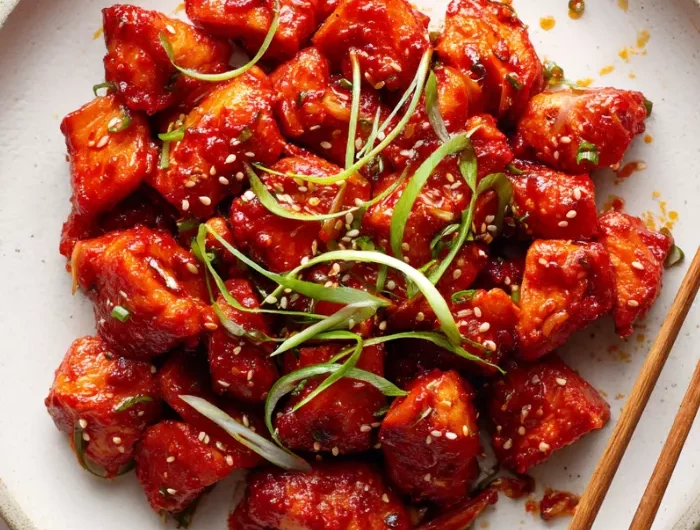
Gochujang Chicken Skillet Recipe
Course: Main CourseCuisine: Korean-InspiredDifficulty: EasyServings
4
servingsPrep time
15
minutesCooking time
25
minutesLearn how to make Gochujang Chicken Skillet – a spicy, sweet, and savory Korean-inspired one-pan meal. Perfect for weeknights, family dinners, and meal prep.
Ingredients
1½ lbs boneless, skinless chicken thighs or breasts, cut into bite-sized pieces
3 tablespoons gochujang (Korean chili paste)
2 tablespoons soy sauce
1 tablespoon honey or brown sugar
1 tablespoon rice vinegar
1 tablespoon sesame oil
1 tablespoon neutral cooking oil (vegetable or canola)
3 cloves garlic, minced
1 teaspoon fresh ginger, grated
½ teaspoon ground black pepper
½ teaspoon red chili flakes (optional, for extra heat)
1 tablespoon cornstarch
¼ cup water
2 green onions, sliced (for garnish)
Sesame seeds, for garnish
Directions
- Prepare the sauce: In a medium bowl, whisk together the gochujang, soy sauce, honey, rice vinegar, sesame oil, minced garlic, grated ginger, black pepper, and red chili flakes if using. Stir well until the sauce is smooth and glossy, making sure the gochujang is fully dissolved and evenly mixed with the other ingredients. Set the sauce aside so the flavors can meld while you prepare the chicken.
- Season and coat the chicken: Place the chicken pieces in a large bowl. Sprinkle the cornstarch over the chicken and toss gently until each piece is lightly coated. This step helps the chicken develop a light crust when cooked and also thickens the sauce later, giving the dish a rich, clingy glaze.
- Sear the chicken: Heat the neutral cooking oil in a large skillet over medium-high heat. Once the oil is hot and shimmering, add the chicken pieces in a single layer. Cook for about 4–5 minutes without moving them too much, allowing the chicken to develop a golden-brown sear. Flip the pieces and cook for another 3–4 minutes until the chicken is mostly cooked through and nicely browned on all sides.
- Add the sauce: Reduce the heat to medium. Pour the prepared gochujang sauce over the chicken, stirring gently to coat every piece evenly. Add the water to the skillet to loosen the sauce and help it simmer evenly. As the sauce heats, it will begin to bubble and thicken, clinging to the chicken and creating a deep red, glossy coating.
- Simmer and finish: Let the chicken simmer in the sauce for 5–7 minutes, stirring occasionally, until the sauce has thickened to your desired consistency and the chicken is fully cooked and tender. Taste and adjust seasoning if needed, adding a little more honey for sweetness or soy sauce for saltiness.
- Garnish and serve: Remove the skillet from the heat and sprinkle sliced green onions and sesame seeds over the top for freshness and texture. Serve the gochujang chicken hot, straight from the skillet, with steamed rice, noodles, or sautéed vegetables to soak up the extra sauce.