
Quick & Easy Recipes for Everyday Cooks
Welcome to Food By Ayaka!
Fresh Coconut Cake Recipe
My mother used to make coconut cake for special Sundays, but she always said the secret was patience in mixing and baking. For me, coconut cake is not just dessert, it is comfort and memory all in one. The smell of coconut and vanilla in the oven is calming, and it always brings a soft, cozy feeling into the house that reminds me of family time.
Fresh coconut cake is one of those desserts that feels soft, comforting, and a little bit special every time you make it. The texture is light and moist, while the coconut flavor brings a natural sweetness that isn’t too heavy. I love how this cake fills the kitchen with a warm, inviting smell while it bakes, and once it’s frosted and covered in coconut, it looks just as beautiful as it tastes. It’s the kind of cake that feels homemade in the best way, simple but full of love and flavor.
I have tried many versions of this cake over time, and I always come back to the classic method because it works beautifully. I use real coconut milk, soft butter, and fresh eggs to get the best texture and flavor. I always take my time when creaming the butter and sugar because it makes the cake extra light and fluffy, which is very important for a perfect result.
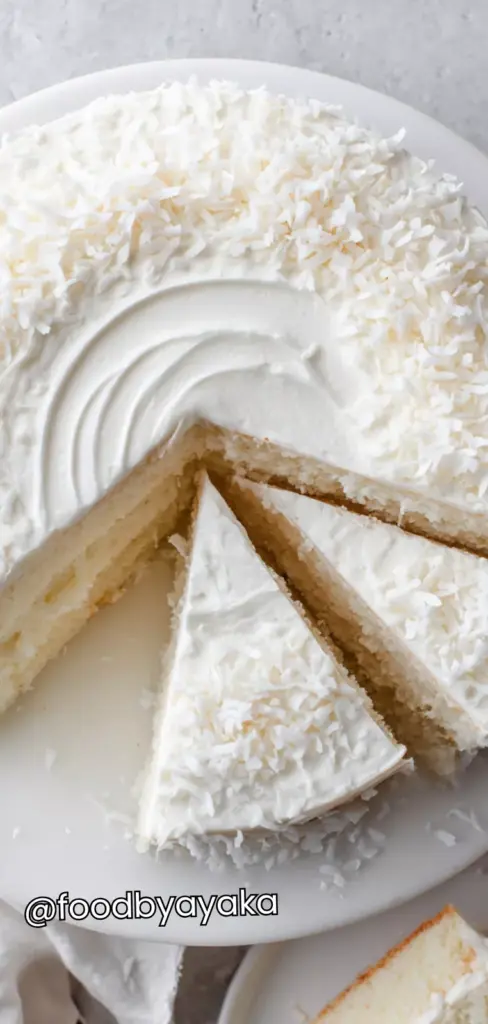
You can serve this cake after dinner, some people love it with tea or coffee, also with fresh fruits like pineapple or berries for a brighter taste. It works well for both casual days and celebrations, which makes it a very flexible dessert.
Its Perfect For:
- Family gatherings where you want something homemade and comforting
- Birthday celebrations when you want a soft and elegant cake
- Afternoon tea with friends for a light and sweet treat
- Holiday tables where coconut flavors feel festive and special
- Simple weekend baking when you want something relaxing and rewarding
Ingredients
- 2 1/2 cups all-purpose flour
- 2 1/2 teaspoons baking powder
- 1/2 teaspoon salt
- 1 cup unsalted butter, softened
- 1 3/4 cups granulated sugar
- 4 large eggs
- 1 teaspoon vanilla extract
- 1 teaspoon coconut extract
- 1 cup coconut milk
- 1 cup sweetened shredded coconut
For the frosting
- 1 cup unsalted butter, softened
- 4 cups powdered sugar
- 1/4 cup coconut milk
- 1 teaspoon coconut extract
- 2 cups shredded coconut (for topping)
Kitchen Equipment You’ll Need
- Mixing bowls (small and large)
- Electric mixer or hand whisk
- Measuring cups and spoons
- Rubber spatula
- Two 9-inch cake pans
- Oven
- Cooling rack
- Offset spatula or knife for frosting
How to make Fresh Coconut Cake
Step 1
Prepare the cake batter: Preheat your oven to 350°F (175°C) and grease and line two 9-inch round cake pans. In a medium bowl, whisk together the flour, baking powder, and salt until evenly combined. In a large mixing bowl, beat the softened butter and sugar together until light, pale, and fluffy, which should take about 3–4 minutes. Add the eggs one at a time, mixing well after each addition to ensure a smooth batter, then stir in the vanilla and coconut extracts for a rich coconut flavor.
Step 2
Combine wet and dry ingredients: Gradually add the dry ingredients to the butter mixture in batches, alternating with the coconut milk. Begin and end with the dry ingredients, mixing gently after each addition just until combined. Be careful not to overmix, as this can make the cake dense. Fold in the shredded coconut, making sure it is evenly distributed throughout the batter for texture and flavor.
Step 3
Bake the cake layers: Divide the batter evenly between the prepared cake pans and smooth the tops with a spatula. Place them in the preheated oven and bake for 30–35 minutes, or until a toothpick inserted into the center comes out clean. Once baked, remove the cakes from the oven and allow them to cool in the pans for about 10 minutes before transferring them to a wire rack to cool completely.
Step 4
Prepare the frosting: In a large bowl, beat the softened butter until creamy and smooth. Gradually add the powdered sugar, mixing on low speed at first to avoid a mess, then increasing the speed until the mixture becomes fluffy. Add the coconut milk and coconut extract, and continue beating until the frosting is light, creamy, and spreadable. Adjust the consistency if needed by adding a little more coconut milk or powdered sugar.
Step 5
Assemble the cake: Place one cake layer on a serving plate and spread a generous layer of frosting over the top, making sure it is evenly covered. Place the second cake layer on top and frost the top and sides of the cake, smoothing it out with a spatula for a clean finish. Take your time to evenly coat the cake so it looks neat and appealing.
Step 6
Add the coconut topping: Gently press the shredded coconut onto the top and sides of the cake, covering it completely for that classic coconut cake look. Pat it lightly so it sticks well to the frosting and creates a beautiful textured finish.
Step 7
Serve: Slice the cake using a sharp knife, wiping it clean between cuts for neat slices. Serve at room temperature for the best flavor and texture, and enjoy the rich, moist coconut taste in every bite.
Tips
- Always use room temperature ingredients
This helps the batter mix more smoothly and evenly.
Cold butter or eggs can make the mixture look curdled and uneven. - Do not overmix the batter
Mix just until the ingredients are combined.
Overmixing can make the cake dense instead of soft and fluffy. - Measure flour correctly
Use a spoon to fill the measuring cup, then level it.
Too much flour will make the cake dry and heavy. - Use good quality coconut milk
The flavor really depends on it.
A rich coconut milk will give a deeper and more natural taste. - Let the cake cool completely before frosting
If it is still warm, the frosting will melt.
This step keeps your cake neat and beautiful. - Toast the coconut for extra flavor
Lightly toasting adds a nutty taste and a little crunch.
It also makes the cake look more golden and attractive. - Taste and adjust your frosting
Add a little more sugar or milk if needed.
This helps you get the perfect sweetness and texture.
Optional Ingredients
- Toasted coconut flakes for extra texture
- Pineapple filling for a tropical twist
- Lemon zest for a fresh flavor
- Almond extract for added depth
- Cream cheese in frosting for richness
- Chopped nuts for a slight crunch
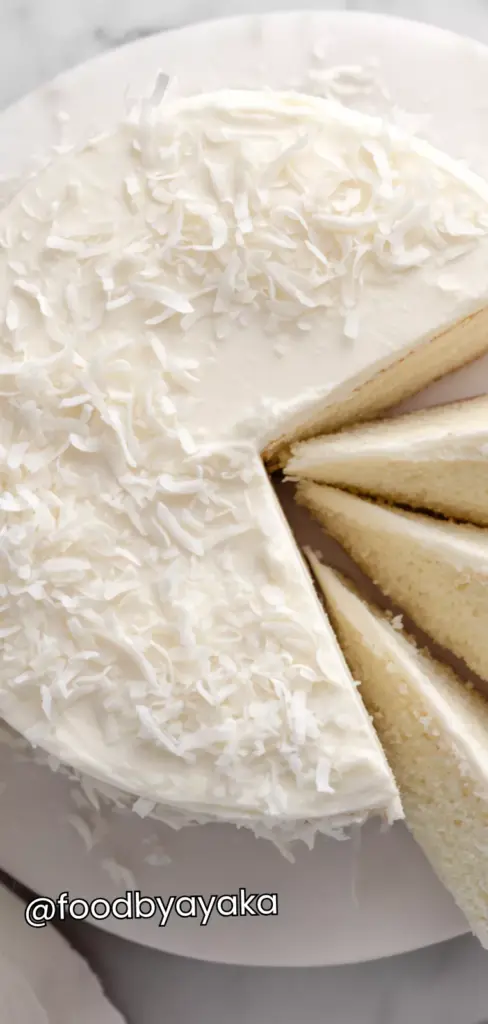
How to serve Fresh Coconut Cake?
I like to serve fresh coconut cake slightly chilled or at room temperature because that is when the texture feels soft, moist, and perfectly balanced. When the cake is too cold, the frosting can feel firm, and when it is too warm, it can become too soft. So I usually take it out of the fridge about 20–30 minutes before serving to let it reach the ideal texture.
I also enjoy presenting the cake in a simple but beautiful way. I slice it carefully using a clean, sharp knife, wiping the blade between cuts to keep each slice neat. Sometimes I add a light sprinkle of extra shredded or toasted coconut on top of each slice, or place a few fresh fruits like pineapple chunks or berries on the side to give a fresh and colorful touch. It makes the dessert feel more inviting and a little more special without much effort.
I find that this cake pairs wonderfully with warm drinks like coffee or tea, especially in the afternoon. The creamy coconut flavor blends nicely with a slightly bitter drink, creating a balanced taste. For a more refreshing option, I also like serving it with a cold glass of milk or even a light fruit juice, which makes it perfect for both relaxed days and small gatherings with friends or family.
Is Fresh Coconut Cake healthy?
Fresh coconut cake is a treat, so it is not something to eat every day, but it can still be enjoyed in moderation. It contains sugar and butter, which add richness but also increase calories.
However, it also includes coconut, which brings some natural fats and flavor. When eaten occasionally and in small portions, it can be part of a balanced lifestyle without feeling guilty.
Variations and Substitutions
- Pineapple Coconut Cake
Add crushed pineapple between the layers for a tropical flavor.
It makes the cake more moist and slightly tangy.
You can also mix some pineapple juice into the batter.
This version feels very fresh and summery. - Coconut Cupcakes
Turn the batter into cupcakes instead of a full cake.
Bake for a shorter time and frost individually.
They are perfect for parties or small portions.
Easy to serve and fun to decorate. - Vegan Coconut Cake
Use plant-based butter and milk instead of dairy.
Replace eggs with flax eggs or applesauce.
The texture will still be soft and moist.
Great for those avoiding animal products. - Gluten-Free Version
Use a gluten-free flour blend instead of regular flour.
Make sure it includes a binding agent like xanthan gum.
The texture may be slightly different but still delicious.
Perfect for people with gluten sensitivity. - Coconut Lemon Cake
Add lemon zest and juice to the batter.
This gives a bright and fresh flavor.
It balances the sweetness of the coconut.
Very refreshing and light. - Chocolate Coconut Cake
Add cocoa powder or chocolate layers.
Coconut and chocolate pair beautifully together.
You can even add chocolate ganache on top.
This version feels richer and more indulgent. - Cream Cheese Frosting Version
Replace buttercream with cream cheese frosting.
It adds a slight tangy taste.
This balances the sweetness of the cake.
Very popular and flavorful option. - Layered Celebration Cake
Add more layers for a taller cake.
Use extra filling between each layer.
Decorate with more coconut and frosting.
Perfect for birthdays and special events.
How to store, How to reheat
To store fresh coconut cake, place it in an airtight container or cover it well with plastic wrap. Keep it in the refrigerator if your kitchen is warm, especially because of the frosting. It will stay fresh for about 3–4 days, and the flavor often becomes even better after a day.
To reheat, you don’t need much effort. I usually let a slice sit at room temperature for about 20–30 minutes before eating so it softens naturally. If you prefer it slightly warm, you can microwave it for about 10 seconds, but be careful not to overheat or the frosting will melt too much.
Frequently Asked Questions About Fresh Coconut Cake
Can I use fresh coconut instead of shredded coconut?
Yes, fresh coconut works very well and gives a stronger, more natural flavor to the cake.
Just make sure it is finely grated so it blends well into the batter and frosting.
If the coconut is too thick, it may affect the texture slightly, so finer is always better.
Why is my cake dry?
This usually happens if the cake is overbaked or if too much flour was added.
Always measure your ingredients carefully and check the cake a few minutes before the baking time ends. Also, using enough coconut milk helps keep the cake soft and moist.
Can I make this cake ahead of time?
Yes, you can bake the cake layers a day in advance and store them wrapped at room temperature or in the fridge. Frosting the cake the next day actually makes it easier to handle and decorate. It also allows the flavors to settle and taste even better.
Can I freeze coconut cake?
Yes, this cake freezes well if wrapped tightly in plastic wrap and placed in an airtight container.
You can freeze it for up to 2 months without losing much flavor or texture.
When ready to eat, thaw it slowly in the refrigerator overnight for best results.
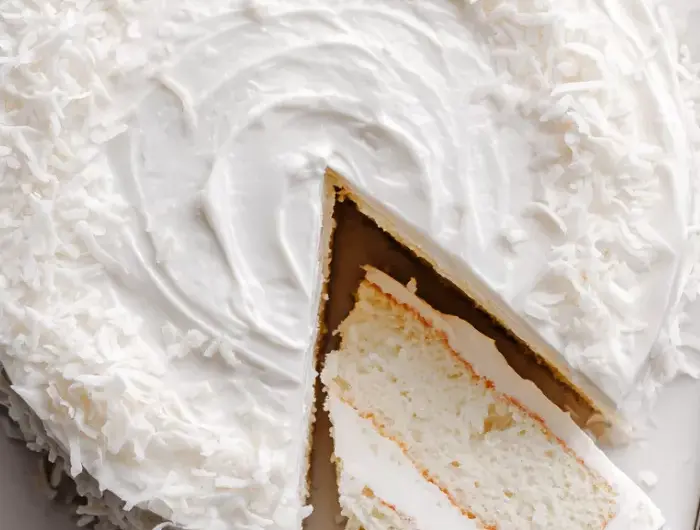
Fresh Coconut Cake Recipe
Course: DessertCuisine: AmericanDifficulty: MediumServings
10
servingsPrep time
25
minutesCooking time
35
minutesFresh Coconut Cake is a soft, moist, and flavorful dessert made with coconut milk, shredded coconut, and creamy frosting. Perfect for celebrations, gatherings, or simple homemade treats with a rich tropical taste.
Ingredients
2 1/2 cups all-purpose flour
2 1/2 teaspoons baking powder
1/2 teaspoon salt
1 cup unsalted butter, softened
1 3/4 cups granulated sugar
4 large eggs
1 teaspoon vanilla extract
1 teaspoon coconut extract
1 cup coconut milk
1 cup sweetened shredded coconut
- For the frosting
1 cup unsalted butter, softened
4 cups powdered sugar
1/4 cup coconut milk
1 teaspoon coconut extract
2 cups shredded coconut (for topping)
Directions
- Prepare the cake batter: Preheat your oven to 350°F (175°C) and grease and line two 9-inch round cake pans. In a medium bowl, whisk together the flour, baking powder, and salt until evenly combined. In a large mixing bowl, beat the softened butter and sugar together until light, pale, and fluffy, which should take about 3–4 minutes. Add the eggs one at a time, mixing well after each addition to ensure a smooth batter, then stir in the vanilla and coconut extracts for a rich coconut flavor.
- Combine wet and dry ingredients: Gradually add the dry ingredients to the butter mixture in batches, alternating with the coconut milk. Begin and end with the dry ingredients, mixing gently after each addition just until combined. Be careful not to overmix, as this can make the cake dense. Fold in the shredded coconut, making sure it is evenly distributed throughout the batter for texture and flavor.
- Bake the cake layers: Divide the batter evenly between the prepared cake pans and smooth the tops with a spatula. Place them in the preheated oven and bake for 30–35 minutes, or until a toothpick inserted into the center comes out clean. Once baked, remove the cakes from the oven and allow them to cool in the pans for about 10 minutes before transferring them to a wire rack to cool completely.
- Prepare the frosting: In a large bowl, beat the softened butter until creamy and smooth. Gradually add the powdered sugar, mixing on low speed at first to avoid a mess, then increasing the speed until the mixture becomes fluffy. Add the coconut milk and coconut extract, and continue beating until the frosting is light, creamy, and spreadable. Adjust the consistency if needed by adding a little more coconut milk or powdered sugar.
- Assemble the cake: Place one cake layer on a serving plate and spread a generous layer of frosting over the top, making sure it is evenly covered. Place the second cake layer on top and frost the top and sides of the cake, smoothing it out with a spatula for a clean finish. Take your time to evenly coat the cake so it looks neat and appealing.
- Add the coconut topping: Gently press the shredded coconut onto the top and sides of the cake, covering it completely for that classic coconut cake look. Pat it lightly so it sticks well to the frosting and creates a beautiful textured finish.
- Serve: Slice the cake using a sharp knife, wiping it clean between cuts for neat slices. Serve at room temperature for the best flavor and texture, and enjoy the rich, moist coconut taste in every bite.