
Quick & Easy Recipes for Everyday Cooks
Welcome to Food By Ayaka!
Coconut Curry Shrimp Recipe
My mother loved cooking seafood, but shrimp in coconut curry is extra special and comforting in our home because it feels warm, cozy, and a little luxurious at the same time. She always said that simple ingredients can create the most beautiful meals when balanced well. Watching her cook taught me that flavor comes from patience and layering spices slowly. Coconut Curry Shrimp is one of those comforting dishes that feels fancy but is actually very easy to make at home.
The creamy coconut milk, the warm curry spices, and the juicy shrimp come together in a rich sauce that tastes like something from a restaurant. I love how the sauce is silky, slightly sweet, gently spicy, and full of aroma from garlic and ginger. It fills the kitchen with the most beautiful smell while it simmers. This recipe is perfect for busy weeknights because it cooks quickly, but it also feels special enough for guests. The shrimp cook in just a few minutes, soaking up all the flavor from the coconut curry sauce. Every bite is creamy, tender, and satisfying without being too heavy.
I have made this dish many times for my family and friends. I use fresh ginger, full-fat coconut milk, and good quality shrimp. Always choose shrimp that are peeled and deveined to save time, and always simmer the sauce gently so it stays creamy and smooth. Small details make a big difference in this recipe.
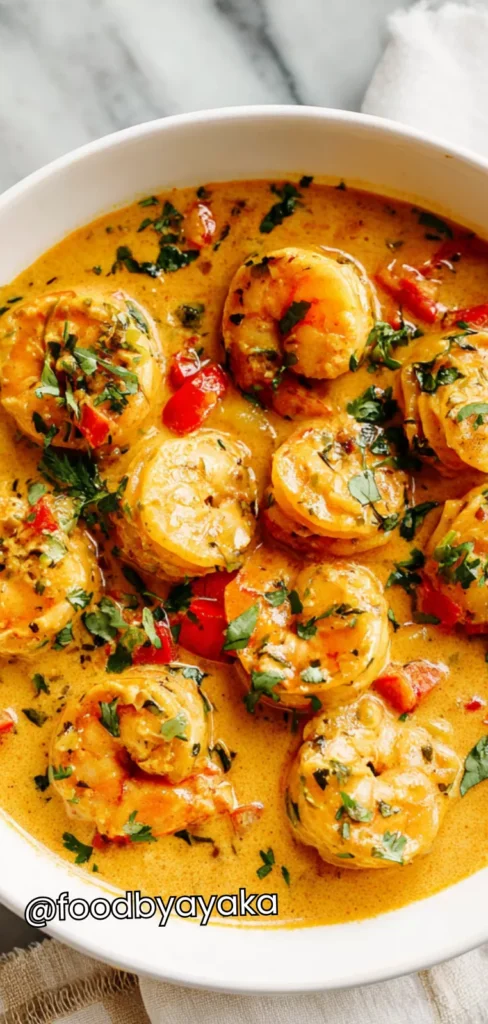
You can serve it over fluffy jasmine rice, some warm naan bread, also with steamed vegetables or even light coconut rice. It pairs beautifully with something simple that can soak up the delicious sauce.
Its Perfect For:
- Quick weeknight dinners
- Family meals with rice
- Casual dinner parties
- Date night at home
- Comfort food cravings
Ingredients
- 1 ½ lbs large shrimp, peeled and deveined
- 1 tablespoon olive oil or coconut oil
- 1 small onion, finely chopped
- 3 cloves garlic, minced
- 1 tablespoon fresh ginger, grated
- 1 tablespoon red curry paste
- 1 teaspoon curry powder
- 1/2 teaspoon paprika
- 1 can (13.5 oz) full-fat coconut milk
- 1/2 cup seafood broth or water
- 1 tablespoon soy sauce
- 1 teaspoon brown sugar
- 1 tablespoon lime juice
- Salt and black pepper to taste
- 1/4 teaspoon red pepper flakes (optional)
- Fresh cilantro, chopped (for garnish)
Kitchen Equipment You’ll Need
- Large skillet or sauté pan
- Wooden spoon or spatula
- Sharp knife
- Cutting board
- Measuring spoons and cups
- Small bowl for prepping ingredients
- Tongs for turning shrimp
How to Make Coconut Curry Shrimp
Step 1
Prepare the shrimp: Rinse the shrimp under cold water and pat them completely dry with paper towels. Dry shrimp will sear better and absorb flavor nicely. Lightly season with a small pinch of salt and black pepper, then set aside while you prepare the sauce base.
Step 2
Build the flavor base: Heat olive oil or coconut oil in a large skillet over medium heat. Once the oil is warm and slightly shimmering, add the chopped onion. Cook for about 3–4 minutes, stirring occasionally, until the onion becomes soft and translucent. Add the minced garlic and grated ginger, stirring constantly for about 30 seconds until fragrant. Be careful not to let the garlic brown, as it can turn bitter.
Step 3
Add spices and curry paste: Stir in the red curry paste, curry powder, and paprika. Cook the spices for 1–2 minutes, stirring continuously so they bloom in the oil. This step deepens the flavor and gives the dish a richer aroma. The mixture should become slightly darker and very fragrant.
Step 4
Create the coconut curry sauce: Pour in the coconut milk and seafood broth (or water), stirring well to combine everything smoothly. Add soy sauce and brown sugar, then bring the sauce to a gentle simmer. Allow it to cook for about 5–7 minutes, stirring occasionally, until it slightly thickens and the flavors meld together. If you prefer a spicier curry, add red pepper flakes at this stage.
Step 5
Cook the shrimp: Add the seasoned shrimp directly into the simmering sauce in a single layer if possible. Cook for 3–5 minutes, turning them halfway through. Shrimp cook quickly — they are done when they turn pink, opaque, and slightly curled. Avoid overcooking, as they can become rubbery.
Step 6
Finish the dish: Stir in the fresh lime juice and taste the sauce. Adjust seasoning with additional salt or pepper if needed. Let everything simmer together for one more minute so the shrimp absorb the final flavors. Remove from heat and allow it to rest for a couple of minutes before serving.
Step 7
Garnish and serve: Sprinkle freshly chopped cilantro over the top just before serving. Serve hot over steamed jasmine rice, coconut rice, or alongside warm naan bread to soak up the rich, creamy curry sauce.
Tips for the Best Coconut Curry Shrimp
- Do not overcook the shrimp
Shrimp cook very fast, usually in 3 to 5 minutes.
Once they turn pink and opaque, remove from heat immediately.
Overcooking makes them rubbery and tough. - Use full-fat coconut milk
Full-fat coconut milk gives a richer and creamier sauce.
Light coconut milk can make the sauce thin.
The extra creaminess balances the spice beautifully. - Bloom the spices first
Always cook curry paste and spices in oil for a minute.
This step releases deep flavor and aroma.
It makes the sauce taste more intense and authentic. - Pat shrimp dry before cooking
Excess water prevents proper cooking.
Dry shrimp absorb the sauce better.
It also improves the overall texture. - Simmer gently, not aggressively
A gentle simmer keeps the coconut milk smooth.
High heat can cause the sauce to separate.
Low and steady gives the best results. - Taste before serving
Balance is important in curry dishes.
You may need extra lime juice or a pinch of salt.
Adjust slowly until it tastes just right. - Let it rest for a few minutes
After cooking, let the dish sit briefly.
This helps flavors settle and deepen.
It will taste even better after resting.
Optional Ingredients
- Red bell peppers for sweetness and color
- Spinach leaves for added nutrition
- Snow peas for crunch
- Fish sauce for deeper umami flavor
- Chili flakes for extra heat
- Fresh basil for a fragrant twist
How to Serve Coconut Curry Shrimp?
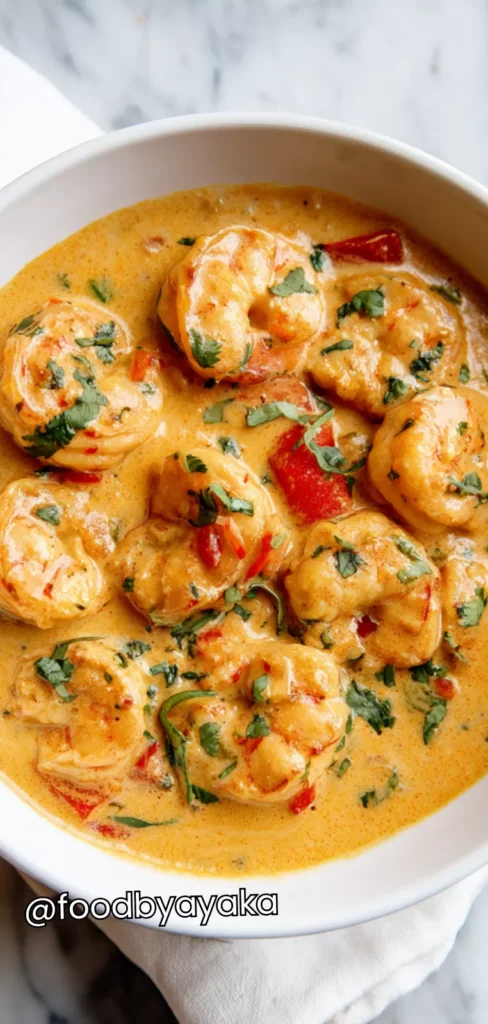
I love serving Coconut Curry Shrimp over freshly steamed jasmine rice because the rice absorbs all the creamy sauce. The soft rice and tender shrimp together create the perfect bite. I sometimes spoon extra sauce on top because that is truly the best part. For family meals, this is my go-to method because everyone can customize how much sauce they want with their rice.
I also enjoy serving it with warm naan bread on the side. I use the bread to scoop up every bit of sauce from the plate, which makes the meal feel cozy and indulgent. When I serve guests, I like to place the shrimp in a shallow bowl and let the sauce pool around it — it looks beautiful and makes it easy for everyone to enjoy.
I sometimes add a simple cucumber salad or lightly steamed vegetables for freshness. The cool crunch of vegetables balances the warmth of the curry, making the meal complete and colorful. Sometimes, I drizzle a little extra lime juice on top just before serving to add brightness. It always feels like a complete, satisfying dish when plated this way.
Is Coconut Curry Shrimp Healthy?
Coconut Curry Shrimp can be a healthy meal when prepared with balanced portions. Shrimp are high in protein and low in calories, which makes them a great lean protein choice. The dish is also naturally gluten-free if served with rice.
Coconut milk does contain healthy fats, but it is higher in calories. When enjoyed in moderation and paired with vegetables, it can absolutely fit into a balanced lifestyle. Using fresh ingredients and minimal processed sauces also makes it healthier than restaurant versions.
Variations and Substitutions
- Chicken Coconut Curry
You can replace shrimp with diced chicken breast.
Cook the chicken fully before adding coconut milk.
Simmer a little longer for tender meat.
It becomes heartier and more filling. - Vegetarian Coconut Curry
Use tofu or chickpeas instead of shrimp.
Add extra vegetables like zucchini and carrots.
Simmer until vegetables are tender.
It becomes a plant-based comfort dish. - Spicy Thai Version
Add extra red curry paste and chili flakes.
Include a splash of fish sauce.
Finish with Thai basil leaves.
It becomes bold and spicy. - Creamy Garlic Version
Increase garlic to five cloves.
Add a spoon of butter at the end.
Simmer gently for extra richness.
It tastes deeper and more indulgent. - Lemon Coconut Shrimp
Replace lime juice with fresh lemon juice.
Add lemon zest for brightness.
Keep the rest of ingredients simple.
It becomes fresh and citrusy. - Pineapple Coconut Curry
Add small pineapple chunks.
The sweetness balances the spice.
Simmer briefly so fruit stays firm.
It gives tropical flavor. - Low-Carb Option
Serve over cauliflower rice instead of regular rice.
Keep sauce slightly thicker.
Add extra vegetables.
It becomes lighter but still satisfying. - Extra Creamy Version
Add two tablespoons heavy cream.
Simmer gently until thickened.
Use less broth for thickness.
It becomes ultra silky.
How to Store, How to Reheat
To store Coconut Curry Shrimp, let it cool completely before placing it in an airtight container. Keep it in the refrigerator for up to three days. Because shrimp are delicate, it is best not to store them too long. The sauce may thicken slightly in the fridge, which is completely normal.
To reheat, warm it gently in a skillet over low heat. Add a small splash of water or coconut milk to loosen the sauce if needed. Stir slowly and heat just until warm — avoid boiling to prevent overcooking the shrimp. For best results, add the shrimp last and heat only briefly.
Frequently Asked Questions About Coconut Curry Shrimp
Can I use frozen shrimp?
Yes, you can, but make sure they are fully thawed first.
Pat them completely dry with paper towels before cooking.
This ensures they cook evenly and don’t release excess water into the sauce.
Can I make it less spicy?
Absolutely. Reduce the red curry paste or skip the chili flakes.
You can add a little extra coconut milk to mellow the heat.
Taste as you go so it matches your preferred spice level.
Can I prepare it ahead?
You can make the sauce a few hours in advance.
Cook the shrimp fresh just before serving for the best texture.
This method saves time while keeping the shrimp tender and juicy.
What rice works best?
Jasmine rice is fragrant and soft, absorbing the sauce well.
Basmati rice is also a good option for a lighter, fluffy texture.
Either choice complements the creamy curry perfectly.
Coconut Curry Shrimp Recipe
Course: Main CourseCuisine: Asian-InspiredDifficulty: EasyServings
4
servingsPrep time
10
minutesCooking time
20
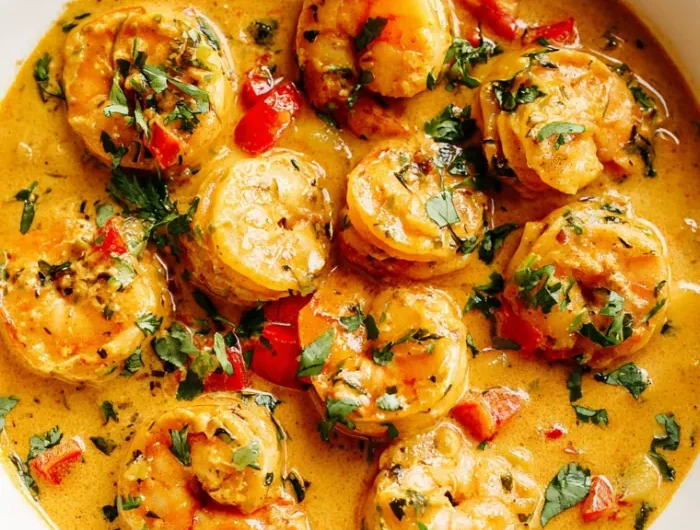
minutesCreamy Coconut Curry Shrimp made with tender shrimp, rich coconut milk, and fragrant curry spices. Quick, easy, and perfect for weeknights or dinner parties. Serve over rice or with naan for a delicious, comforting meal.
Ingredients
1 ½ lbs large shrimp, peeled and deveined
1 tablespoon olive oil or coconut oil
1 small onion, finely chopped
3 cloves garlic, minced
1 tablespoon fresh ginger, grated
1 tablespoon red curry paste
1 teaspoon curry powder
1/2 teaspoon paprika
1 can (13.5 oz) full-fat coconut milk
1/2 cup seafood broth or water
1 tablespoon soy sauce
1 teaspoon brown sugar
1 tablespoon lime juice
Salt and black pepper to taste
1/4 teaspoon red pepper flakes (optional)
Fresh cilantro, chopped (for garnish)
Directions
- Prepare the shrimp: Rinse the shrimp under cold water and pat them completely dry with paper towels. Dry shrimp will sear better and absorb flavor nicely. Lightly season with a small pinch of salt and black pepper, then set aside while you prepare the sauce base.
- Build the flavor base: Heat olive oil or coconut oil in a large skillet over medium heat. Once the oil is warm and slightly shimmering, add the chopped onion. Cook for about 3–4 minutes, stirring occasionally, until the onion becomes soft and translucent. Add the minced garlic and grated ginger, stirring constantly for about 30 seconds until fragrant. Be careful not to let the garlic brown, as it can turn bitter.
- Add spices and curry paste: Stir in the red curry paste, curry powder, and paprika. Cook the spices for 1–2 minutes, stirring continuously so they bloom in the oil. This step deepens the flavor and gives the dish a richer aroma. The mixture should become slightly darker and very fragrant.
- Create the coconut curry sauce: Pour in the coconut milk and seafood broth (or water), stirring well to combine everything smoothly. Add soy sauce and brown sugar, then bring the sauce to a gentle simmer. Allow it to cook for about 5–7 minutes, stirring occasionally, until it slightly thickens and the flavors meld together. If you prefer a spicier curry, add red pepper flakes at this stage.
- Cook the shrimp: Add the seasoned shrimp directly into the simmering sauce in a single layer if possible. Cook for 3–5 minutes, turning them halfway through. Shrimp cook quickly — they are done when they turn pink, opaque, and slightly curled. Avoid overcooking, as they can become rubbery.
- Finish the dish: Stir in the fresh lime juice and taste the sauce. Adjust seasoning with additional salt or pepper if needed. Let everything simmer together for one more minute so the shrimp absorb the final flavors. Remove from heat and allow it to rest for a couple of minutes before serving.
- Garnish and serve: Sprinkle freshly chopped cilantro over the top just before serving. Serve hot over steamed jasmine rice, coconut rice, or alongside warm naan bread to soak up the rich, creamy curry sauce.