
Quick & Easy Recipes for Everyday Cooks
Welcome to Food By Ayaka!
Classic Buttercream Frosting Recipe
Last month I was preparing cupcakes for a small family gathering, but I noticed that the store-bought frosting in my kitchen was too artificial in taste and too sweet for my liking, and in my home kitchen freshness and balance are always more important and satisfying than convenience alone. Classic buttercream frosting is one of the most loved and versatile frostings in baking. It is smooth, creamy, and sweet with a rich buttery flavor that pairs perfectly with cakes, cupcakes, and cookies.
This frosting is known for its simple ingredients and quick preparation, making it ideal for both beginners and experienced bakers. Its texture can be adjusted easily, allowing you to make it thicker for piping decorations or softer for spreading. With just a few pantry staples, you can create a frosting that feels bakery-quality at home.
The beauty of this recipe is its flexibility. You can flavor it with vanilla, chocolate, fruit extracts, or even spices depending on your preference. It also holds its shape well, which makes it perfect for decorating layered cakes or piping designs on cupcakes. Whether you are baking for a celebration or a casual dessert, this buttercream brings a smooth finish and a delicious taste that enhances any baked treat.
I have learned to rely on simple homemade frosting because it gives me full control over the flavor and texture, I use fresh butter, sifted sugar, and real vanilla always, because these basic ingredients create a clean taste and a smooth consistency that cannot be matched by processed alternatives.
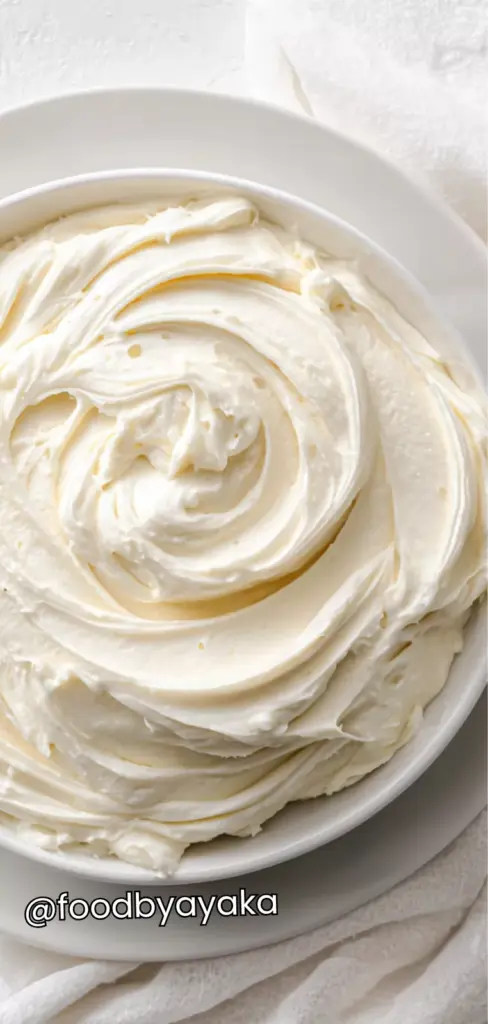
You can serve this buttercream on vanilla cupcakes, chocolate layer cakes, also with cookies, or even as a filling for sandwich desserts and pastries. It also works beautifully with fruit-based cakes, sponge cakes, and holiday desserts where a light yet rich frosting is needed to complete the flavor.
Its Perfect For:
- Birthday cakes that need smooth decoration
- Cupcake toppings with piping designs
- Layered cakes with even frosting
- Holiday desserts and celebrations
- Filling for sandwich cookies and macarons
Ingredients
- 1 cup (2 sticks) unsalted butter, softened
- 3–4 cups powdered sugar, sifted
- 2–3 tablespoons heavy cream or milk
- 1 1/2 teaspoons vanilla extract
- 1/4 teaspoon salt
- Optional: food coloring (gel preferred)
Kitchen Equipment You’ll Need
- Mixing bowl
- Hand mixer or stand mixer
- Rubber spatula
- Measuring cups and spoons
- Sifter for powdered sugar
- Offset spatula or butter knife
- Piping bags and tips (optional for decoration)
How to Make Classic Buttercream Frosting
Step 1
Cream the butter: In a large mixing bowl, beat the softened butter using a hand mixer or stand mixer on medium speed for about 2–3 minutes until it becomes smooth, light, and creamy. Make sure the butter is at room temperature for best results, as this helps achieve a fluffy texture.
Step 2
Add powdered sugar gradually: Slowly add the sifted powdered sugar, one cup at a time, mixing on low speed to prevent it from spilling. Once incorporated, increase the speed to medium and continue beating until the mixture becomes thick and well combined. Scrape down the sides of the bowl as needed to ensure even mixing.
Step 3
Add liquid ingredients: Pour in the vanilla extract, salt, and 2 tablespoons of heavy cream or milk. Beat the mixture on medium-high speed for another 2–3 minutes until the frosting becomes light, fluffy, and spreadable. If the frosting feels too thick, add an extra tablespoon of cream or milk, a little at a time, until the desired consistency is reached.
Step 4
Adjust consistency and flavor: Taste the frosting and adjust if needed. Add more powdered sugar if you want a stiffer frosting, or a small splash of cream if you prefer it softer and smoother. Continue mixing until everything is fully combined and silky.
Step 5
Color the frosting (optional): If you are using food coloring, add it gradually in small amounts and mix until the color is evenly distributed. Gel food coloring works best as it won’t thin out the frosting.
Step 6
Use or store: Once ready, use the buttercream immediately to frost cakes, cupcakes, or cookies. If not using right away, store it in an airtight container at room temperature for up to 2 days or refrigerate it. Before using refrigerated frosting, allow it to come to room temperature and re-whip it briefly to restore its fluffy texture.
Tips for Best Classic Buttercream Frosting
- Use room temperature butter
Softened butter blends more easily with sugar, creating a smooth and creamy base. Cold butter can cause lumps, while overly melted butter can make the frosting too runny. Let the butter sit out for about 30–60 minutes before starting. - Sift the powdered sugar
Sifting helps remove lumps and ensures a silky texture. It also prevents graininess in the final frosting. This step makes a noticeable difference in achieving a professional finish. - Add sugar gradually
Do not pour all the powdered sugar at once. Adding it slowly helps prevent mess and allows better mixing. It also ensures the frosting develops the right thickness without becoming too dense. - Adjust liquid carefully
Add milk or cream little by little to control consistency. Too much liquid can make the frosting loose, while too little can make it too stiff. Adjust until you reach a smooth, spreadable texture. - Beat long enough
Mixing the frosting for a few extra minutes helps incorporate air, making it light and fluffy. This step improves both texture and spreadability, giving a more refined result. - Taste and balance sweetness
Buttercream is naturally sweet, but you can adjust it by adding a small pinch of salt. Salt helps balance the sweetness and enhances the overall flavor of the frosting. - Keep tools clean and dry
Any water or grease on your tools can affect the texture of the frosting. Make sure bowls and mixers are clean and dry before starting to maintain consistency.
Optional Ingredients
- Cocoa powder for chocolate buttercream
- Lemon zest for a fresh citrus flavor
- Almond extract for a nutty aroma
- Espresso powder for a coffee twist
- Cream cheese for a tangy variation
- Food coloring for decorative purposes
How to serve Classic Buttercream Frosting?
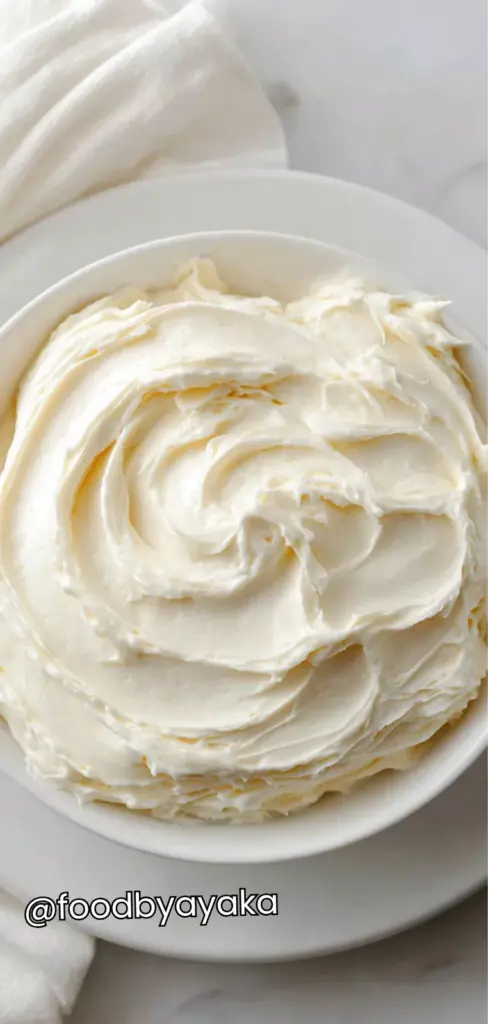
I like to serve classic buttercream frosting freshly whipped and slightly soft so it spreads effortlessly over cakes and cupcakes without tearing the surface. When it is at the right consistency, it creates a smooth, velvety layer that enhances both the look and taste of desserts. I often use an offset spatula to apply it evenly on layered cakes, starting with a thin crumb coat before adding the final layer for a clean and polished finish.
I also enjoy serving this frosting in decorative ways, especially for cupcakes and celebration cakes. Piping it through different nozzles allows me to create swirls, rosettes, stars, and borders that make desserts look more elegant and festive. Because it holds its shape well, it can support detailed designs without collapsing, which makes it ideal for birthdays, parties, and special occasions where presentation matters as much as taste.
I sometimes pair buttercream with other desserts to create balanced flavor combinations. For example, I serve it alongside fresh fruits like strawberries or raspberries, which help cut through the sweetness and add a refreshing contrast. It can also be used as a filling between cake layers, where it adds moisture and richness while keeping the structure stable. In some cases, I even serve it as a dip for cookies or biscuits when I want a simple yet indulgent treat.
Is Classic Buttercream Frosting healthy?
Classic buttercream frosting is not considered a healthy food because it contains butter and a high amount of powdered sugar, which makes it rich in calories, fat, and sweetness. However, it can still be enjoyed as part of a balanced lifestyle when consumed in moderation, especially during celebrations or special occasions where desserts are meant to be enjoyed as treats rather than everyday foods.
While it does not provide significant nutritional benefits like vitamins or minerals, it offers energy and satisfaction in small portions. By controlling serving sizes or slightly reducing sugar, it is possible to make it a bit lighter while still keeping its signature taste and texture intact.
Variations and Substitutions
- Chocolate Buttercream
Add unsweetened cocoa powder to the base frosting to create a deep chocolate flavor. This version pairs beautifully with chocolate cakes or vanilla cupcakes and gives a richer, more indulgent taste while still maintaining a smooth texture. - Cream Cheese Buttercream
Replace part of the butter with cream cheese to create a tangy and slightly less sweet frosting. This variation is perfect for red velvet cakes or carrot cakes, adding a creamy contrast that balances sweetness and richness. - Vegan Buttercream
Use plant-based butter and non-dairy milk to make a dairy-free version. This keeps the texture similar while making it suitable for vegan diets. Choosing high-quality substitutes ensures the flavor remains pleasant and balanced. - Lemon Buttercream
Incorporate fresh lemon juice and zest for a bright citrus flavor. This variation adds freshness and works especially well with light sponge cakes or berry-based desserts, giving a refreshing contrast to sweetness. - Almond Buttercream
Add almond extract in place of vanilla for a subtle nutty aroma. This variation is delicate and aromatic, making it a great option for elegant cakes or desserts that need a slightly different flavor profile. - Coffee Buttercream
Mix in dissolved espresso or strong brewed coffee to create a bold and slightly bitter frosting. This version pairs well with chocolate desserts or mocha-flavored cakes, adding depth and complexity. - Strawberry Buttercream
Blend in strawberry puree or freeze-dried strawberry powder for a fruity flavor and natural color. This variation is sweet, slightly tangy, and ideal for spring or summer desserts that call for a fresh taste. - Salted Buttercream
Increase the salt slightly to create a salted version that balances the sweetness. This variation works well with caramel or chocolate desserts, adding a more complex and less sugary flavor profile.
How to store, How to reheat
Store buttercream frosting in an airtight container at room temperature if you plan to use it within 1–2 days. For longer storage, keep it in the refrigerator for up to one week, making sure the container is tightly sealed to prevent it from drying out or absorbing odors. Before using refrigerated frosting, allow it to sit at room temperature until softened naturally.
When reheating or restoring buttercream, avoid direct heat. Instead, bring it to room temperature and re-whip it using a mixer to restore its smooth and fluffy texture. If the frosting appears too stiff, add a small amount of milk or cream gradually while mixing until it becomes soft and spreadable again. Proper re-whipping helps bring back its original consistency without affecting the flavor.
Frequently Asked Questions About Classic Buttercream Frosting
Why is my buttercream too grainy?
Buttercream becomes grainy when the powdered sugar is not fully dissolved or properly sifted. To fix this, make sure to sift the sugar before adding it and continue mixing for a longer time until the texture becomes smooth and creamy. Using high-speed mixing at the end can also help eliminate any remaining sugar particles.
Why is my frosting too runny?
Runny frosting usually happens when too much liquid is added or the butter is too warm. To correct this, gradually add more powdered sugar while mixing until the frosting thickens. You can also chill it briefly in the refrigerator to help it firm up before using.
Can I make buttercream ahead of time?
Yes, buttercream can be prepared in advance and stored safely. Keep it in an airtight container at room temperature for short-term use or in the refrigerator for longer storage. Before using, allow it to return to room temperature and re-whip it to restore its light and fluffy texture for easy spreading or piping.
Can I freeze buttercream frosting?
Yes, buttercream freezes very well and can be stored for up to 2–3 months. Place it in an airtight container or freezer-safe bag, and thaw it in the refrigerator overnight before bringing it to room temperature. Once thawed, re-whip the frosting to bring back its original smooth consistency.
Classic Buttercream Frosting Recipe
Course: DessertCuisine: AmericanDifficulty: EasyServings
12
servingsPrep time
10
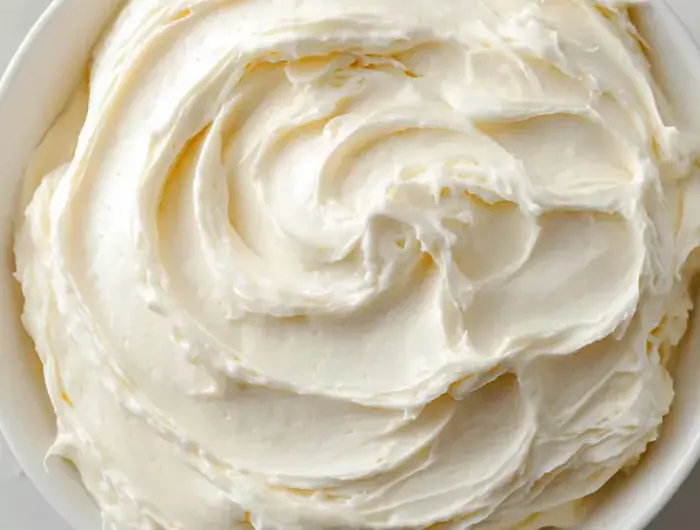
minutesClassic Buttercream Frosting Recipe — a smooth, creamy, and easy homemade frosting made with butter, powdered sugar, vanilla, and cream. Perfect for cakes, cupcakes, and decorating, with simple tips, variations, storage guidance, and step-by-step instructions for beginners.
Ingredients
1 cup (2 sticks) unsalted butter, softened
3–4 cups powdered sugar, sifted
2–3 tablespoons heavy cream or milk
1 1/2 teaspoons vanilla extract
1/4 teaspoon salt
Optional: food coloring (gel preferred)
Directions
- Cream the butter: In a large mixing bowl, beat the softened butter using a hand mixer or stand mixer on medium speed for about 2–3 minutes until it becomes smooth, light, and creamy. Make sure the butter is at room temperature for best results, as this helps achieve a fluffy texture.
- Add powdered sugar gradually: Slowly add the sifted powdered sugar, one cup at a time, mixing on low speed to prevent it from spilling. Once incorporated, increase the speed to medium and continue beating until the mixture becomes thick and well combined. Scrape down the sides of the bowl as needed to ensure even mixing.
- Add liquid ingredients: Pour in the vanilla extract, salt, and 2 tablespoons of heavy cream or milk. Beat the mixture on medium-high speed for another 2–3 minutes until the frosting becomes light, fluffy, and spreadable. If the frosting feels too thick, add an extra tablespoon of cream or milk, a little at a time, until the desired consistency is reached.
- Adjust consistency and flavor: Taste the frosting and adjust if needed. Add more powdered sugar if you want a stiffer frosting, or a small splash of cream if you prefer it softer and smoother. Continue mixing until everything is fully combined and silky.
- Color the frosting (optional): If you are using food coloring, add it gradually in small amounts and mix until the color is evenly distributed. Gel food coloring works best as it won’t thin out the frosting.
- Use or store: Once ready, use the buttercream immediately to frost cakes, cupcakes, or cookies. If not using right away, store it in an airtight container at room temperature for up to 2 days or refrigerate it. Before using refrigerated frosting, allow it to come to room temperature and re-whip it briefly to restore its fluffy texture.