
Quick & Easy Recipes for Everyday Cooks
Welcome to Food By Ayaka!
Beef and Veggie Korean Skillet Recipe
Last week I tried making a new Korean-inspired dish at home, and I wanted something quick, healthy, and full of flavor. I usually enjoy traditional recipes, but trying this Beef and Veggie Korean Skillet in my kitchen was different and exciting. The mix of tender beef, crunchy vegetables, and bold Korean spices is amazing, and it makes cooking feel fun, even on busy days. The colors of the vegetables pop beautifully in the skillet, and the aroma of garlic, ginger, and gochujang fills the room, making everyone hungry even before tasting it.
I have always loved quick one-pan meals because they save time and cleanup. I use thinly sliced beef, fresh vegetables like carrots, zucchini, bell peppers, and onions, and a simple homemade Korean sauce with gochujang, soy sauce, garlic, and sesame oil. Always make sure the beef is marinated for at least 15 minutes to get the most flavor. Cooking on medium-high heat ensures the vegetables stay crisp and colorful while the beef stays tender.
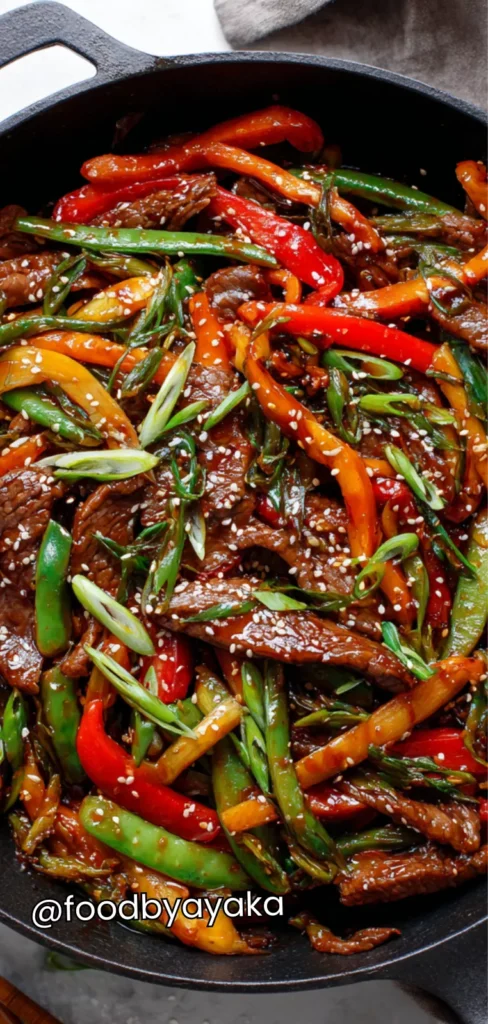
You can serve this dish over warm rice, some soft noodles, or even alongside a fresh green salad. It also pairs well with a side of kimchi or pickled vegetables for a more authentic Korean touch. For a lighter option, serve it on its own without rice. This versatility makes it perfect for lunch, dinner, or even meal prep for the week.
Its Perfect For:
- Quick weeknight dinners when you don’t have much time.
- Meal prep for lunches that stay fresh in the fridge.
- Family dinners where everyone enjoys a mix of meat and vegetables.
- Comfort food that is spicy, sweet, and savory all at once.
- Entertaining guests with a colorful, flavorful skillet dish.
Ingredients
- 1 lb (450 g) thinly sliced beef (ribeye or sirloin works best)
- 2 tablespoons soy sauce
- 1 tablespoon gochujang (Korean chili paste)
- 1 tablespoon sesame oil
- 1 tablespoon vegetable oil
- 2 cloves garlic, minced
- 1 teaspoon ginger, minced
- 1 small onion, thinly sliced
- 1 medium carrot, julienned
- 1 small zucchini, sliced into half-moons
- 1/2 red bell pepper, thinly sliced
- 3 green onions, sliced
- 1 tablespoon brown sugar or honey
- 1 teaspoon sesame seeds (for garnish)
- Optional: cooked rice, for serving
Kitchen Equipment You’ll Need
- Large skillet or wok for stir-frying.
- Cutting board and sharp knife for slicing beef and vegetables.
- Medium bowl for marinating beef.
- Measuring spoons for sauces and spices.
- Wooden spoon or spatula for stirring.
- Tongs for flipping the beef.
- Serving dishes or bowls for plating.
How to Make Beef and Veggie Korean Skillet
Step 1
Prepare the beef marinade: In a medium bowl, combine soy sauce, gochujang, sesame oil, minced garlic, minced ginger, and brown sugar or honey. Stir until the mixture is smooth and evenly combined. Add the sliced beef and toss thoroughly so each piece is coated. Let it marinate for at least 10–15 minutes to infuse the flavors. For deeper flavor, marinate up to 30 minutes.
Step 2
Prep the vegetables: While the beef marinates, slice the onion, carrot, zucchini, red bell pepper, and green onions. Having all veggies prepped in advance ensures a quick, high-heat cooking process, which preserves their color and crunch.
Step 3
Heat the skillet: Place a large skillet or wok over medium-high heat. Add the vegetable oil and let it heat until shimmering. This ensures the beef sears properly and the vegetables don’t stick.
Step 4
Cook the beef: Add the marinated beef in a single layer. Let it sear for 2–3 minutes without stirring to develop a nice caramelized crust. Then stir occasionally until the beef is browned and cooked through, about 4–5 minutes in total. Remove the beef from the skillet and set aside.
Step 5
Cook the vegetables: In the same skillet, add the onion, carrot, zucchini, and red bell pepper. Stir-fry for 3–4 minutes until vegetables are tender-crisp. The high heat helps the vegetables maintain vibrant colors while lightly caramelizing the edges.
Step 6
Combine beef and vegetables: Return the cooked beef to the skillet and toss with the vegetables. Add sliced green onions and stir for another 1–2 minutes to allow the flavors to meld together. Adjust seasoning with a little extra soy sauce or gochujang if desired.
Step 7
Garnish and serve: Sprinkle with sesame seeds before serving. Serve immediately over cooked rice for a complete meal, ensuring each bite has a perfect balance of tender beef, crisp vegetables, and bold Korean flavors.
Tips for Best Beef and Veggie Korean Skillet
- Always slice beef thinly against the grain; it stays tender and cooks faster.
- Don’t overcrowd the skillet; cook in batches if needed to get a nice sear.
- Marinate beef at least 15 minutes; longer gives more flavor.
- Cut vegetables uniformly for even cooking and a balanced texture.
- Stir-fry on medium-high heat to keep vegetables crisp and beef juicy.
- Taste the sauce before serving; add a little more gochujang or soy sauce if needed.
- Sprinkle sesame seeds at the end; they add crunch and a subtle nutty flavor.
Optional Ingredients
- Mushrooms for extra umami flavor.
- Baby spinach for added greens.
- Bean sprouts for crunch.
- Red chili flakes for more heat.
- Sesame oil drizzle for a stronger aroma.
- Sliced green chili for garnish and mild spiciness.
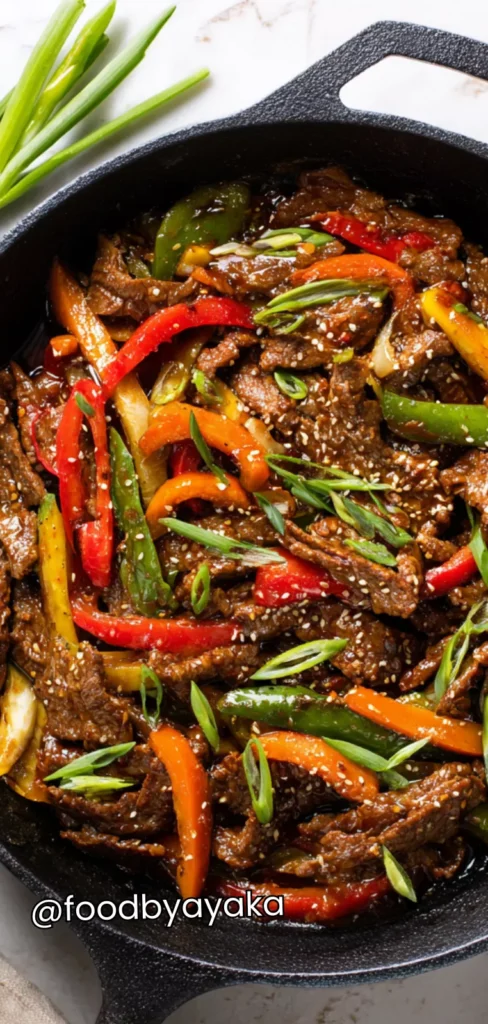
How to Serve Beef and Veggie Korean Skillet
I like to serve this dish over freshly cooked white or brown rice. The rice soaks up the delicious sauce from the beef and vegetables, making every bite flavorful. I often fluff the rice with a fork before serving so it mixes beautifully with the sauce and doesn’t clump. For a more colorful presentation, I sometimes add a few slices of cucumber or carrot on the side.
I also enjoy serving it with a side of kimchi or pickled vegetables. The tangy and slightly spicy flavor of kimchi balances the sweet and savory sauce on the beef. Sometimes, I add a fried egg on top for extra richness and protein. This creates a comforting and filling meal that’s both fun to eat and visually appealing.
I often plate the skillet directly in the pan for a casual family-style presentation. This way, everyone can help themselves and enjoy the vibrant mix of colors. Garnishing with green onions and sesame seeds adds a fresh look and enhances the aroma. If I’m serving guests, I might sprinkle a little extra gochujang or drizzle sesame oil on top to make it even more flavorful.
Is Beef and Veggie Korean Skillet Healthy?
Yes! This dish is packed with lean protein from the beef and a variety of colorful vegetables, which provide essential vitamins and fiber. Cooking it quickly on high heat keeps the nutrients intact and avoids overcooking the veggies.
The sauce is flavorful without being heavy, and using sesame oil and gochujang adds richness without too much fat. You can make it even healthier by serving it over brown rice or whole-grain noodles. This makes it a balanced meal with protein, carbs, and vegetables in every bite.
Variations and Substitutions
- Chicken version: Swap beef for thinly sliced chicken breast; cook slightly longer until fully done. The sauce works perfectly with chicken, giving the same Korean flavor.
- Vegetarian version: Use tofu or tempeh instead of meat; press tofu first to remove excess moisture. Add extra vegetables like mushrooms and broccoli for a hearty dish.
- Spicy version: Add extra gochujang and a pinch of red chili flakes; stir in at the end for a stronger kick. Perfect for spice lovers who enjoy bold flavors.
- Noodle skillet: Instead of rice, cook rice noodles and toss them with the beef and vegetables. This turns it into a satisfying one-pan noodle dish.
- Low-sodium version: Use low-sodium soy sauce and reduce sugar in the marinade; it keeps the flavor while being lighter.
- Meal prep version: Cook beef and vegetables separately, then store in containers. Reheat and add rice when ready to serve.
- Broccoli variation: Add broccoli florets along with other vegetables; cook until tender-crisp. This adds extra fiber and green color to the skillet.
- Sweet and savory twist: Add pineapple chunks or apple slices during the last 2 minutes of cooking; it complements the savory sauce with sweetness.
How to Store and Reheat
You can store leftovers in an airtight container in the fridge for up to 3–4 days. Make sure to cool the skillet completely before refrigerating. Keep rice or noodles separate if storing for meal prep to prevent sogginess.
To reheat, place the beef and vegetables in a skillet over medium heat. Stir occasionally until warmed through. If desired, add a teaspoon of water or sesame oil to refresh the sauce. Reheat rice separately and serve immediately for best results.
Frequently Asked Questions About Beef and Veggie Korean Skillet
Can I use frozen beef?
Yes, you can, but it’s best to thaw the beef completely first for even cooking. Frozen beef can release water, which may make the skillet a little watery. Patting it dry with a paper towel helps the beef sear better and keeps it tender.
Is gochujang very spicy?
Gochujang is mildly spicy with a subtle sweetness that balances the flavor. If you’re sensitive to heat, start with a smaller amount and taste as you go. You can always add more at the end for extra spice.
Can I make this ahead of time?
Absolutely! You can marinate the beef the night before for deeper flavor. Vegetables are best added fresh when cooking to keep their crunch and color. This method also makes weeknight cooking faster.
Can I use other vegetables?
Yes! Broccoli, mushrooms, snap peas, or bell peppers all work well. Just adjust the cooking time depending on the vegetable to keep them tender-crisp. Mixing vegetables also adds more texture and makes the dish visually appealing.
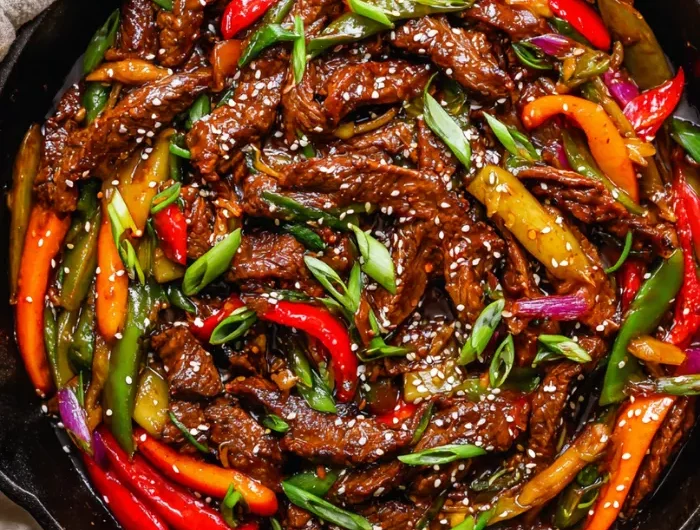
Beef and Veggie Korean Skillet Recipe
Course: Main CourseCuisine: Korean / Asian-InspiredDifficulty: MediumServings
4
servingsPrep time
15
minutesCooking time
25
minutesThis Beef and Veggie Korean Skillet is simple, flavorful, and versatile. It’s perfect for anyone who loves one-pan meals, vibrant vegetables, and authentic Korean flavors.
Ingredients
1 lb (450 g) thinly sliced beef (ribeye or sirloin works best)
2 tablespoons soy sauce
1 tablespoon gochujang (Korean chili paste)
1 tablespoon sesame oil
1 tablespoon vegetable oil
2 cloves garlic, minced
1 teaspoon ginger, minced
1 small onion, thinly sliced
1 medium carrot, julienned
1 small zucchini, sliced into half-moons
1/2 red bell pepper, thinly sliced
3 green onions, sliced
1 tablespoon brown sugar or honey
1 teaspoon sesame seeds (for garnish)
Optional: cooked rice, for serving
Directions
- Prepare the beef marinade: In a medium bowl, combine soy sauce, gochujang, sesame oil, minced garlic, minced ginger, and brown sugar or honey. Stir until the mixture is smooth and evenly combined. Add the sliced beef and toss thoroughly so each piece is coated. Let it marinate for at least 10–15 minutes to infuse the flavors. For deeper flavor, marinate up to 30 minutes.
- Prep the vegetables: While the beef marinates, slice the onion, carrot, zucchini, red bell pepper, and green onions. Having all veggies prepped in advance ensures a quick, high-heat cooking process, which preserves their color and crunch.
- Heat the skillet: Place a large skillet or wok over medium-high heat. Add the vegetable oil and let it heat until shimmering. This ensures the beef sears properly and the vegetables don’t stick.
- Cook the beef: Add the marinated beef in a single layer. Let it sear for 2–3 minutes without stirring to develop a nice caramelized crust. Then stir occasionally until the beef is browned and cooked through, about 4–5 minutes in total. Remove the beef from the skillet and set aside.
- Cook the vegetables: In the same skillet, add the onion, carrot, zucchini, and red bell pepper. Stir-fry for 3–4 minutes until vegetables are tender-crisp. The high heat helps the vegetables maintain vibrant colors while lightly caramelizing the edges.
- Combine beef and vegetables: Return the cooked beef to the skillet and toss with the vegetables. Add sliced green onions and stir for another 1–2 minutes to allow the flavors to meld together. Adjust seasoning with a little extra soy sauce or gochujang if desired.
- Garnish and serve: Sprinkle with sesame seeds before serving. Serve immediately over cooked rice for a complete meal, ensuring each bite has a perfect balance of tender beef, crisp vegetables, and bold Korean flavors.