
Quick & Easy Recipes for Everyday Cooks
Welcome to Food By Ayaka!
12 Smart Rain Scaping Ideas to Use Rainwater in Your Garden
I didn’t always think about rainwater as something useful—it used to feel like either too much or not enough, depending on the week. After one particularly heavy downpour, I walked outside and saw water spilling off the roof, rushing across the yard, and disappearing without doing anything helpful. It felt like a missed opportunity, like all that water could have been doing something better than just running off. That moment made me curious enough to start paying attention, adjusting small things, and figuring out how to actually use what was already there. Once I started, it was hard to stop.
What surprised me most was how simple changes made a noticeable difference, almost immediately. Redirecting water, slowing it down, and giving it a place to go turned my garden into something more efficient without making it complicated. Plants looked healthier, soil stayed moist longer, and I wasn’t reaching for the hose nearly as often. It felt less like managing a garden and more like working with it, letting natural patterns do most of the heavy lifting. That shift made everything feel easier and more intentional.
Now, every time it rains, it feels like part of the system instead of something separate from it. A well-designed rain scape doesn’t just handle water—it uses it, stores it, and makes the most of every drop. If you’re looking to cut back on watering while still keeping your garden thriving, these ideas will help you turn rainfall into a reliable resource. Let’s get into smart, practical ways to make your garden work with the rain instead of losing it.
1. Install a Rain Barrel Collection System
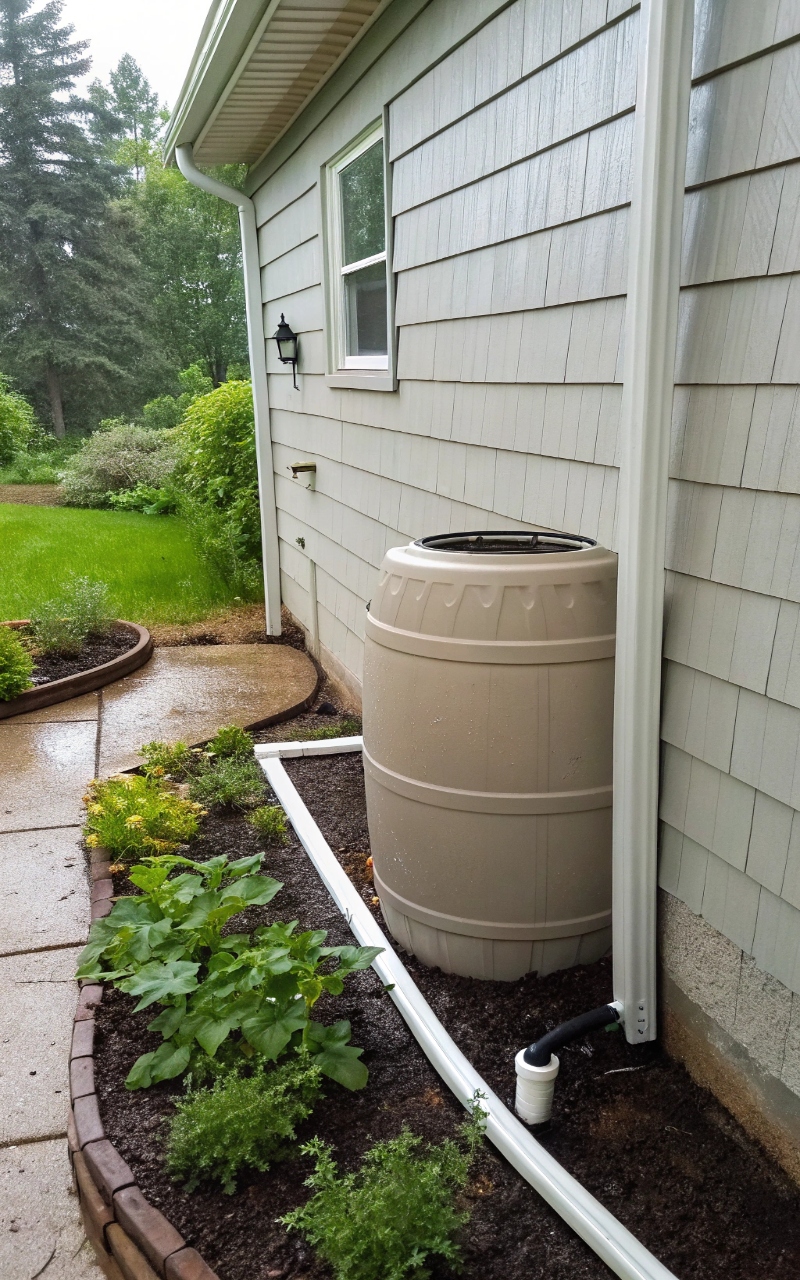
I set up a simple rain barrel under a downspout, and it immediately changed how I water my plants because now I’m using what naturally falls instead of turning on a hose. Watching the barrel fill during a storm feels oddly satisfying, like you’re saving something valuable without extra effort. The collected water works perfectly for garden beds, especially during dry days when soil starts to lose moisture. It’s one of the easiest upgrades that makes a long-term difference. Why let all that water slip away when you can store it? Pro Tip: Add a mesh screen on top to keep debris and insects out.
2. Create a Rain Garden for Natural Absorption
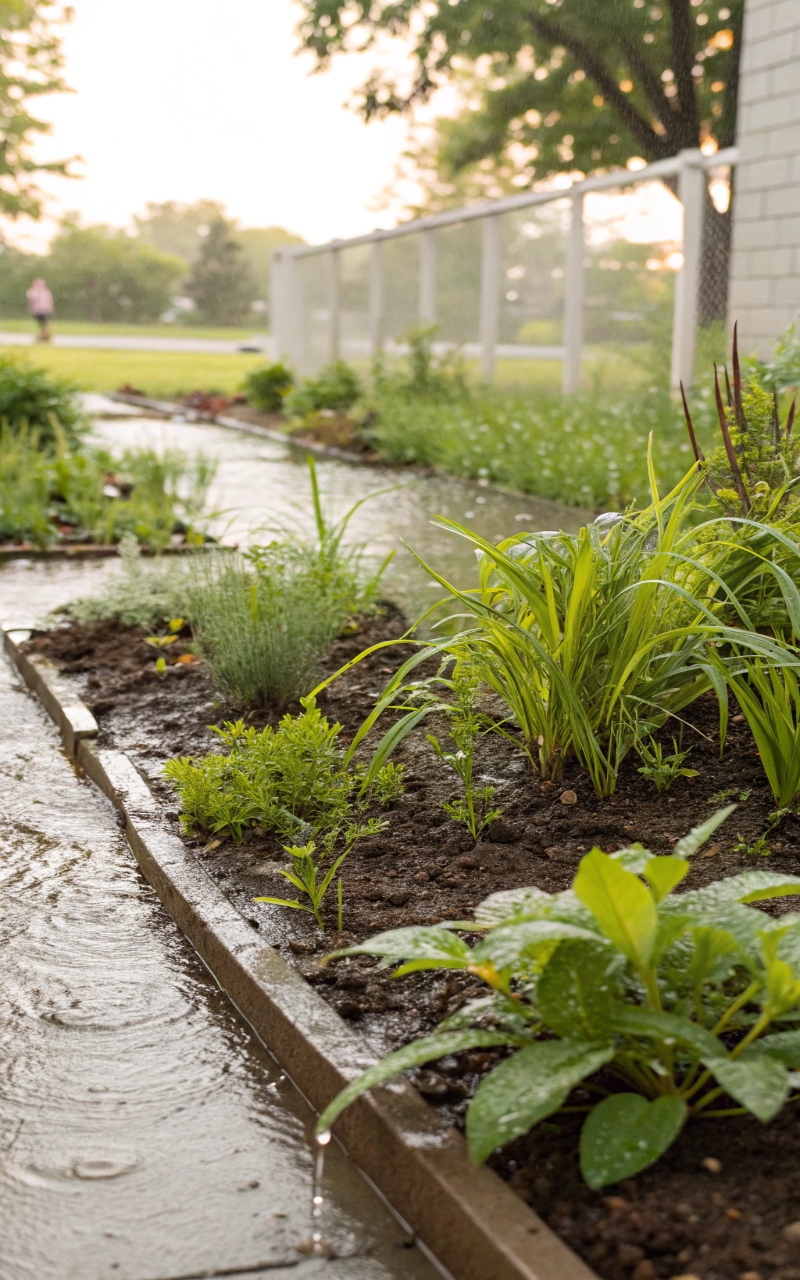
I carved out a shallow rain garden in a low spot, and instead of puddles forming, water now collects and slowly seeps into the soil where plants actually benefit from it. The space feels lush and intentional rather than messy after rainfall. It’s a natural way to manage water while giving moisture-loving plants a place to thrive. The transformation feels subtle but powerful. Isn’t it nice when a problem turns into a feature? Pro Tip: Use native plants that can handle both wet and dry conditions.
3. Redirect Downspouts into Plant Beds
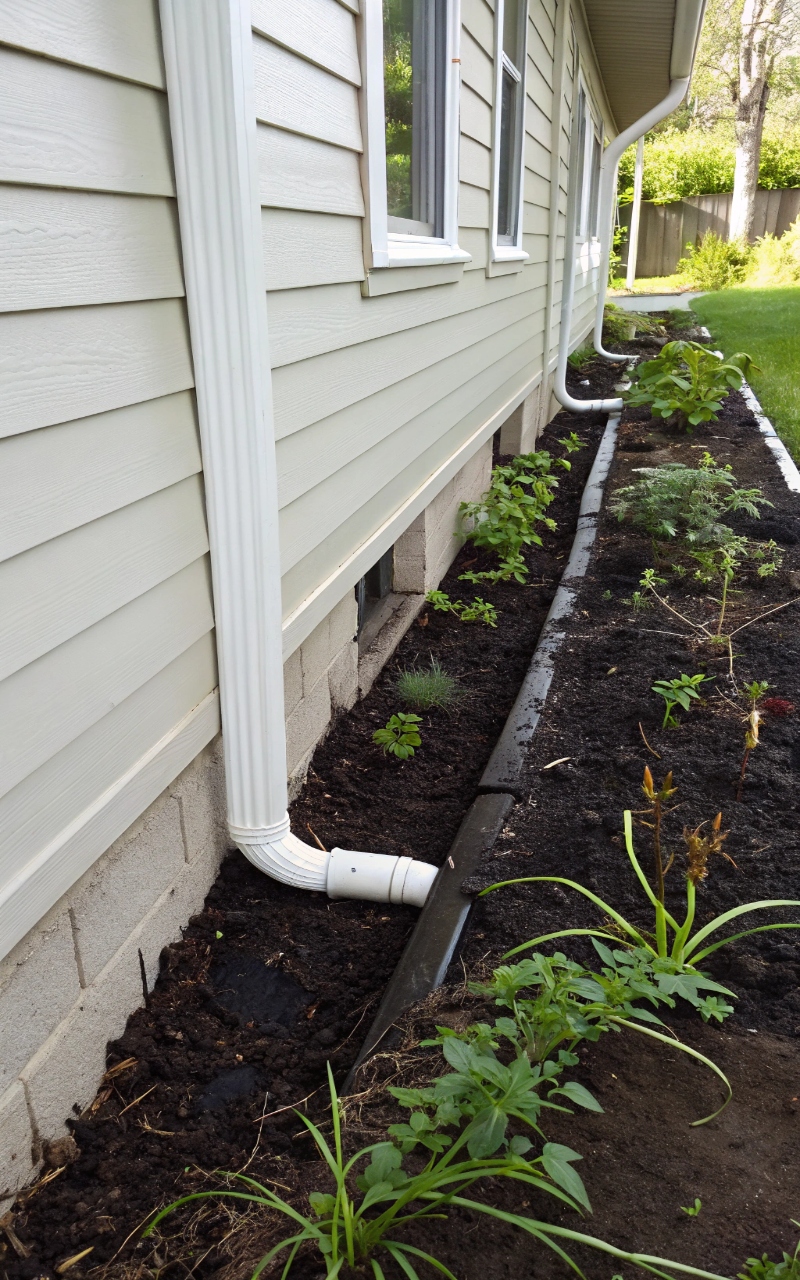
Instead of letting water pour straight onto hard ground, I extended my downspout toward a garden bed, and the difference was immediate. The soil stays hydrated longer, and the plants look noticeably healthier without extra watering. It’s a simple redirection that makes rainwater actually useful. The setup doesn’t require much effort, but it works incredibly well. It’s practical in the best way. Pro Tip: Use flexible piping to guide water exactly where you need it.
4. Build a Dry Creek Bed for Water Flow
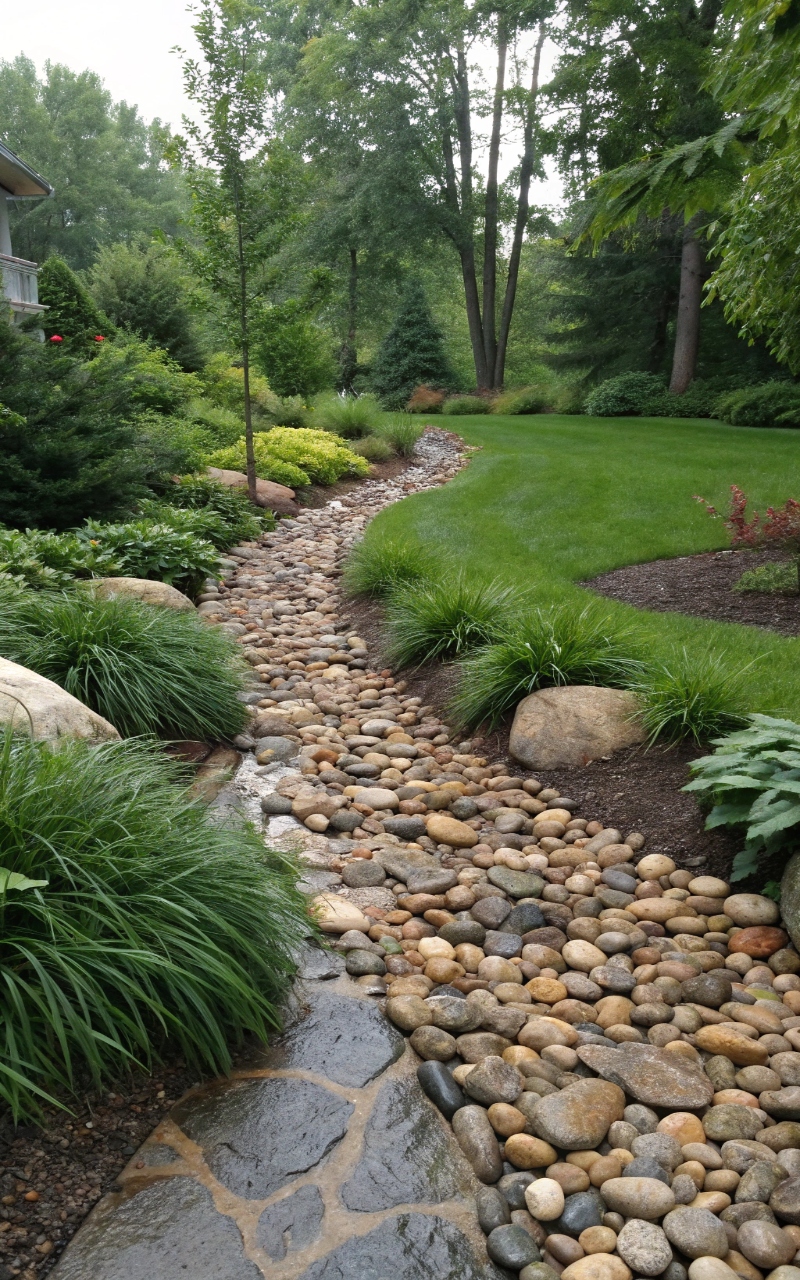
I added a dry creek bed lined with stones to guide water across the yard, and during rain, it transforms into a flowing feature instead of chaotic runoff. The stones slow the water down while directing it toward areas that benefit from extra moisture. When it’s dry, it still looks like a thoughtful design element. It’s both functional and visually interesting. Honestly, it’s such a satisfying upgrade. Pro Tip: Use a mix of large and small stones for a natural look.
5. Use Permeable Surfaces for Better Absorption
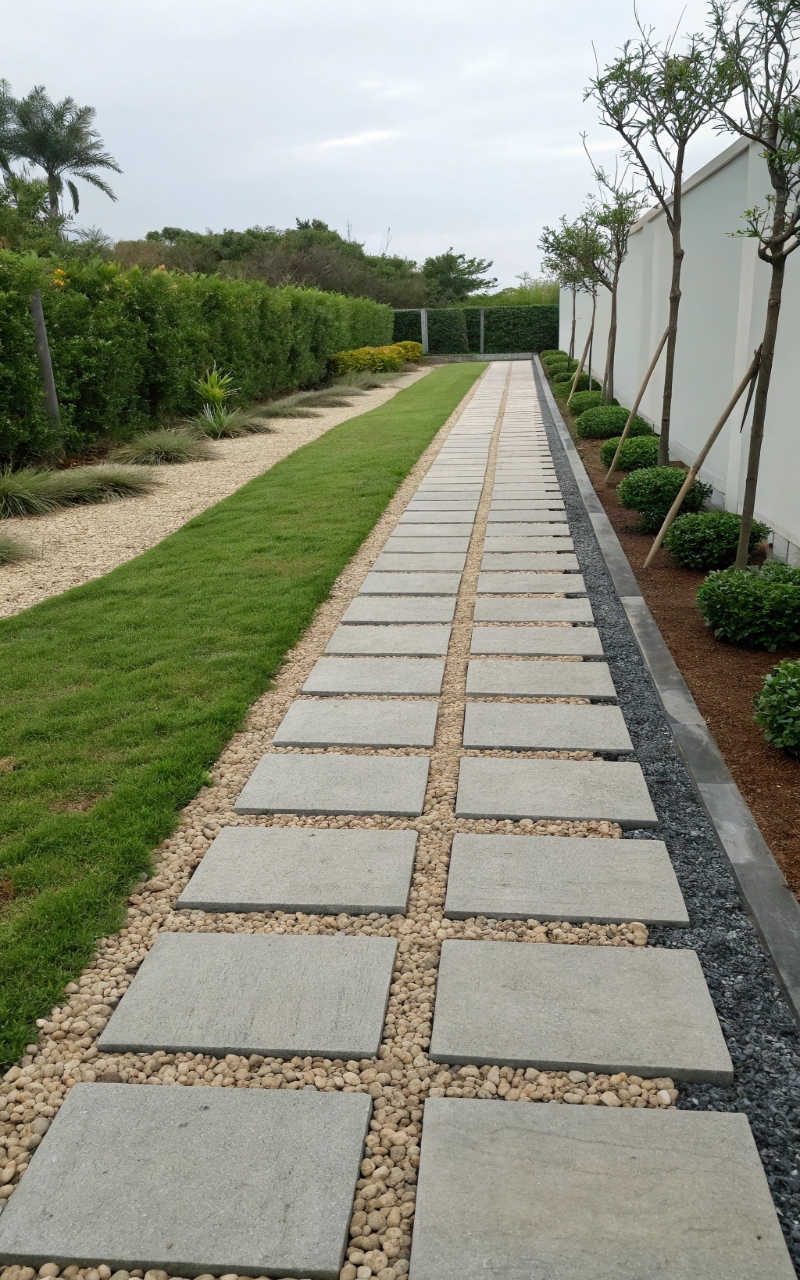
Switching to permeable materials for walkways allowed rainwater to soak into the ground instead of running off into unwanted areas. The ground stays evenly hydrated, and there’s less pooling after storms. It’s a subtle change, but it improves how the entire garden handles water. The space feels more balanced overall. Doesn’t it feel good when everything just works better? Pro Tip: Fill gaps with gravel or sand to improve drainage.
6. Add Mulch to Lock in Moisture
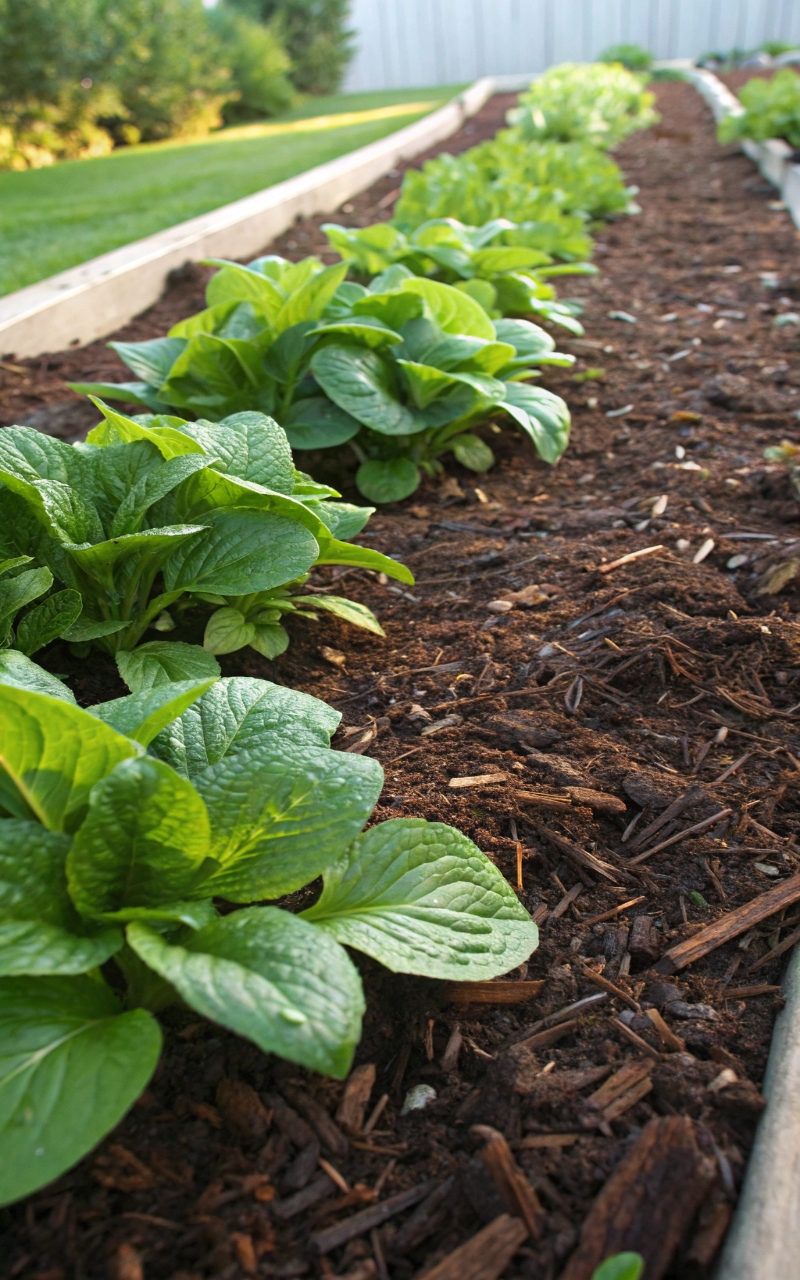
I spread mulch around my plants, and it helped keep the soil damp long after the rain stopped. It reduces evaporation and gives plants a steady source of moisture without constant watering. The garden looks more polished while also functioning better. It’s simple, but the impact is huge. Sometimes the easiest ideas really do work best. Pro Tip: Use organic mulch so it improves soil quality over time.
7. Create Contoured Soil for Water Retention
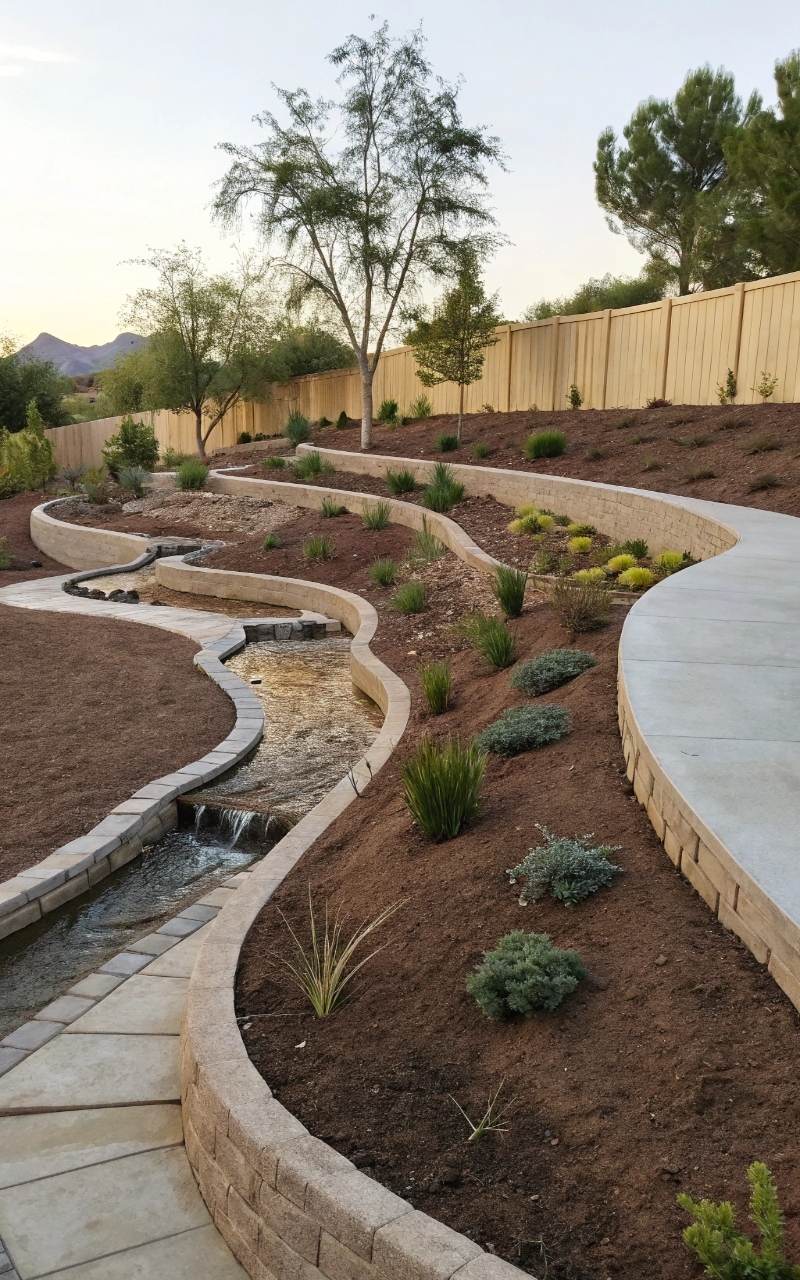
I reshaped parts of my yard to gently hold water instead of letting it run off, and it made a noticeable difference in how evenly everything stays hydrated. Small dips and slopes guide water where it’s needed most. It’s like giving your garden a built-in watering system. The changes aren’t dramatic visually, but they work behind the scenes. It’s a quiet improvement that pays off. Pro Tip: Test water flow with a hose before finalizing your layout.
8. Install a French Drain for Overflow Control
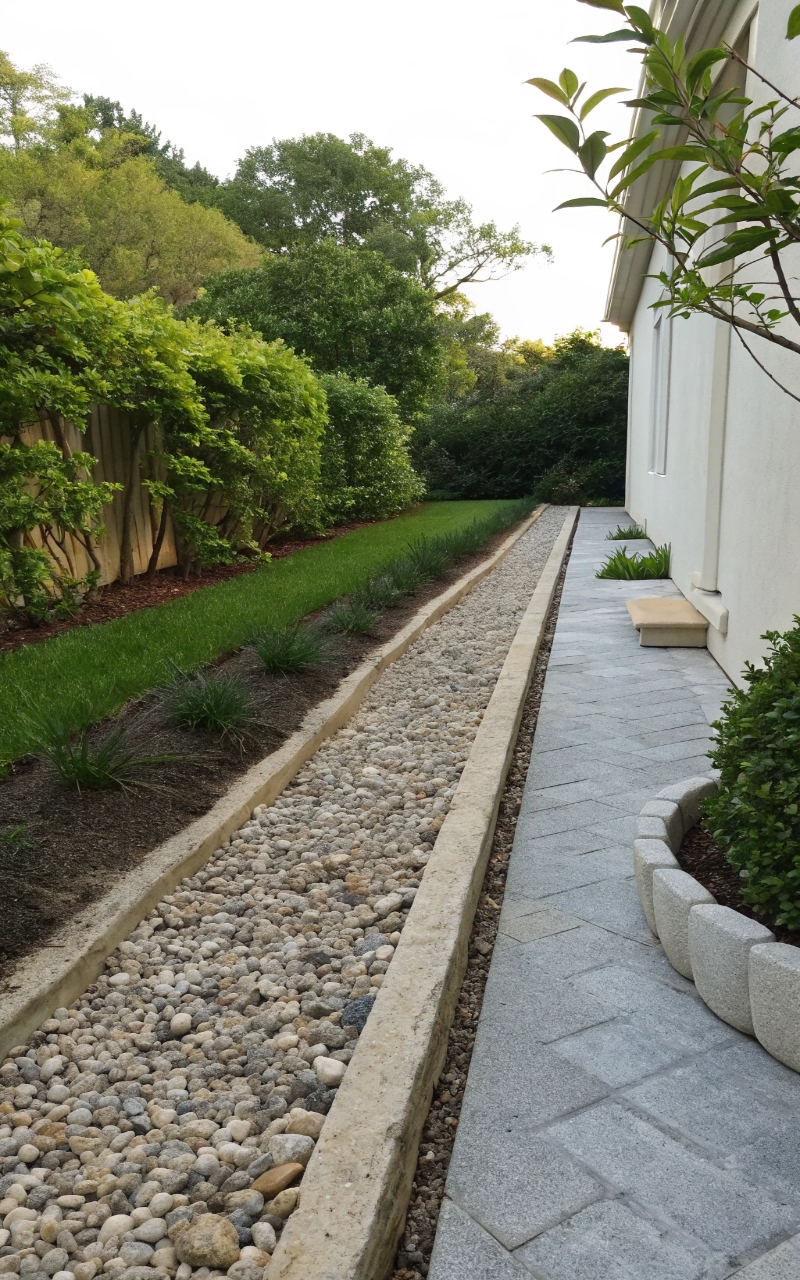
For areas that collect too much water, I added a French drain to move excess away while still allowing some to soak into the soil. It keeps things from getting waterlogged while maintaining balance. The system stays hidden, which keeps the garden looking clean. It’s practical without being noticeable. Sometimes the best solutions stay out of sight. Pro Tip: Use gravel around the pipe for better filtration.
9. Plant Water-Loving Zones Strategically
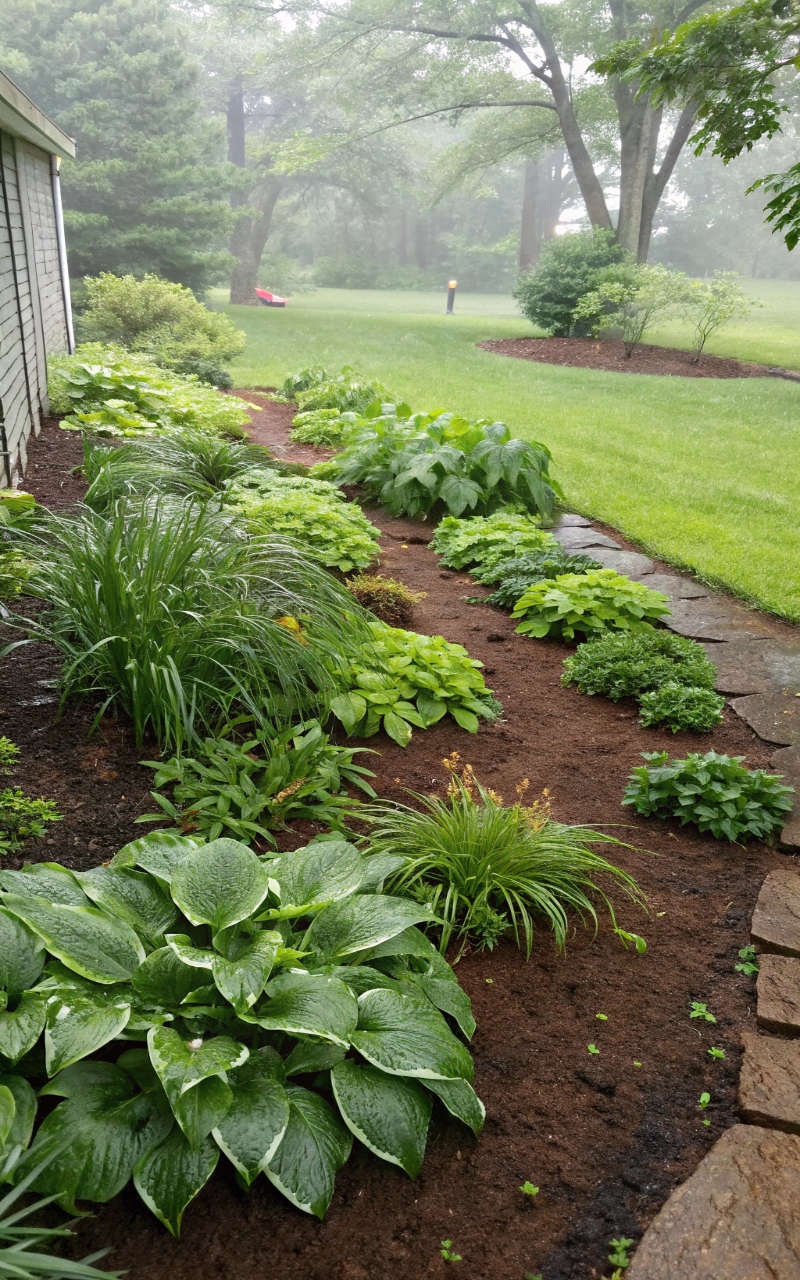
I grouped plants that enjoy extra moisture in areas where water naturally collects, and they’ve been thriving with minimal effort. Instead of fighting wet spots, I used them to my advantage. The garden feels more cohesive and less forced. It’s about working with conditions instead of trying to change them. That shift makes everything easier. Pro Tip: Observe where water gathers before choosing plant placement.
10. Use Stone Basins to Catch Runoff
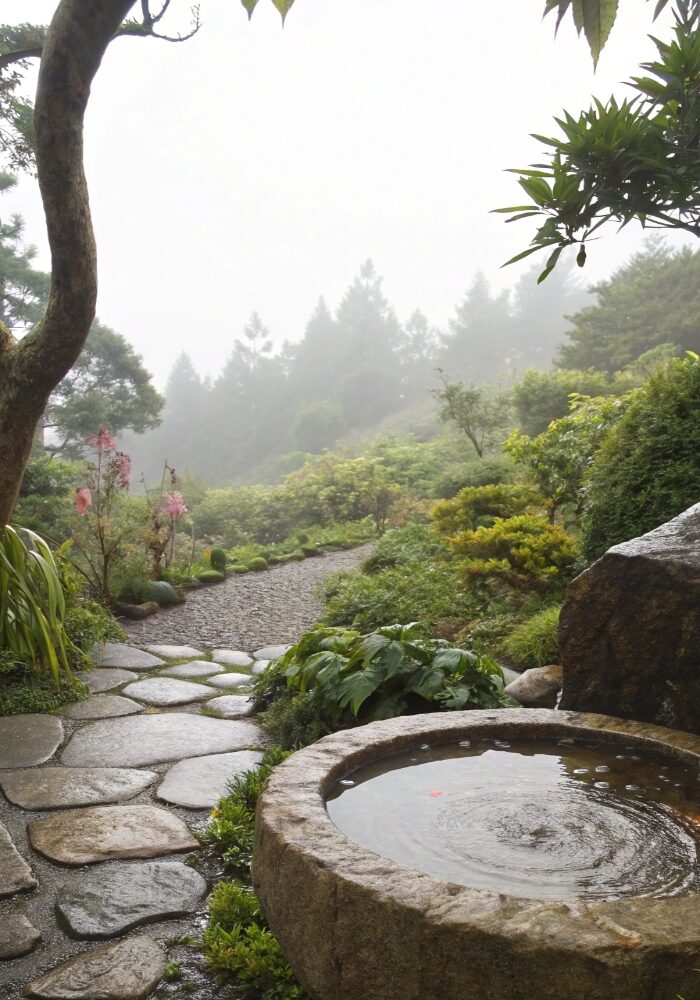
I placed a shallow stone basin where runoff tends to flow, and it now collects water that slowly seeps into the surrounding soil. The stones add structure while keeping the feature looking natural. It’s a small addition that improves water use without taking up much space. The effect feels calm and intentional. Why not give water a place to pause? Pro Tip: Position basins slightly lower than surrounding ground.
11. Install Drip Irrigation Using Stored Rainwater
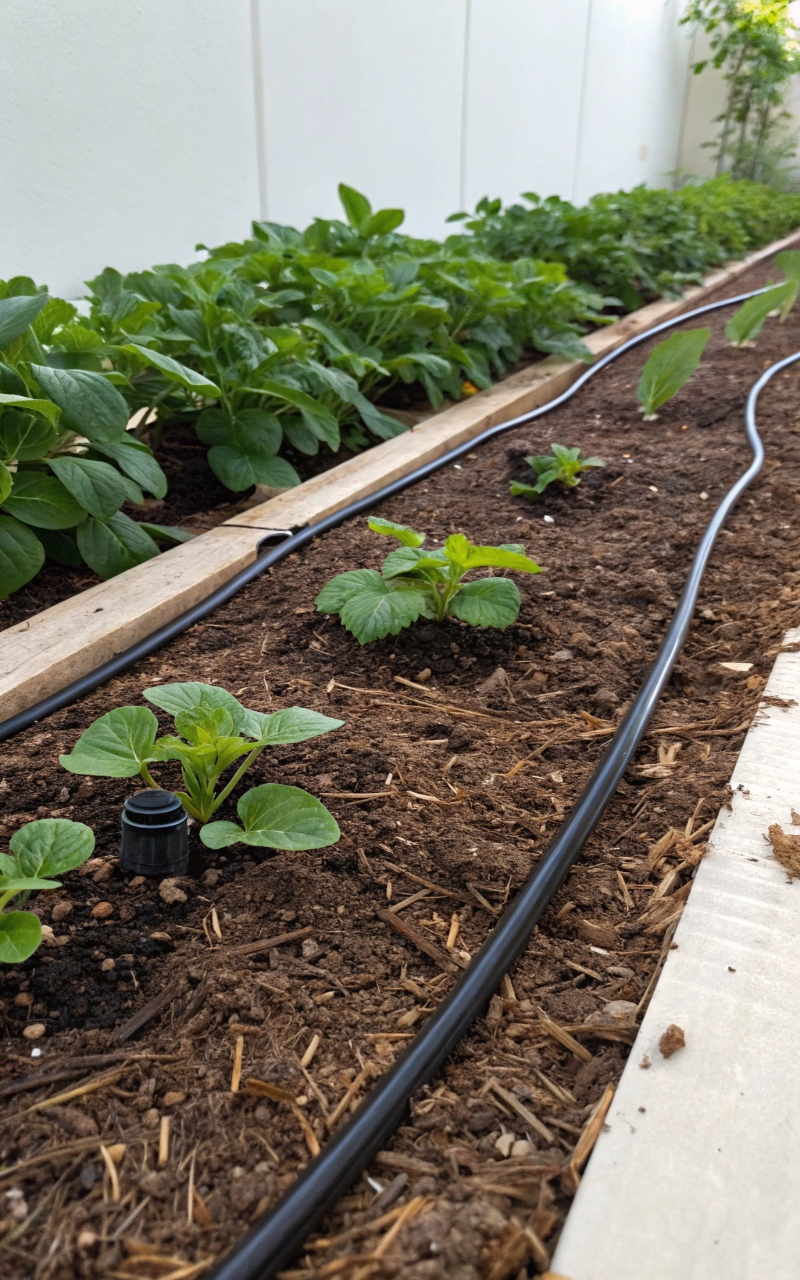
Connecting a drip irrigation system to my rain barrel made watering feel automatic and efficient. The water goes directly to plant roots, minimizing waste. It’s a smart backup system that extends the benefits of collected rainwater. Everything stays consistent without extra effort. It’s like upgrading your garden’s routine. Pro Tip: Use a low-pressure system for better control.
12. Add Ground Cover to Reduce Runoff
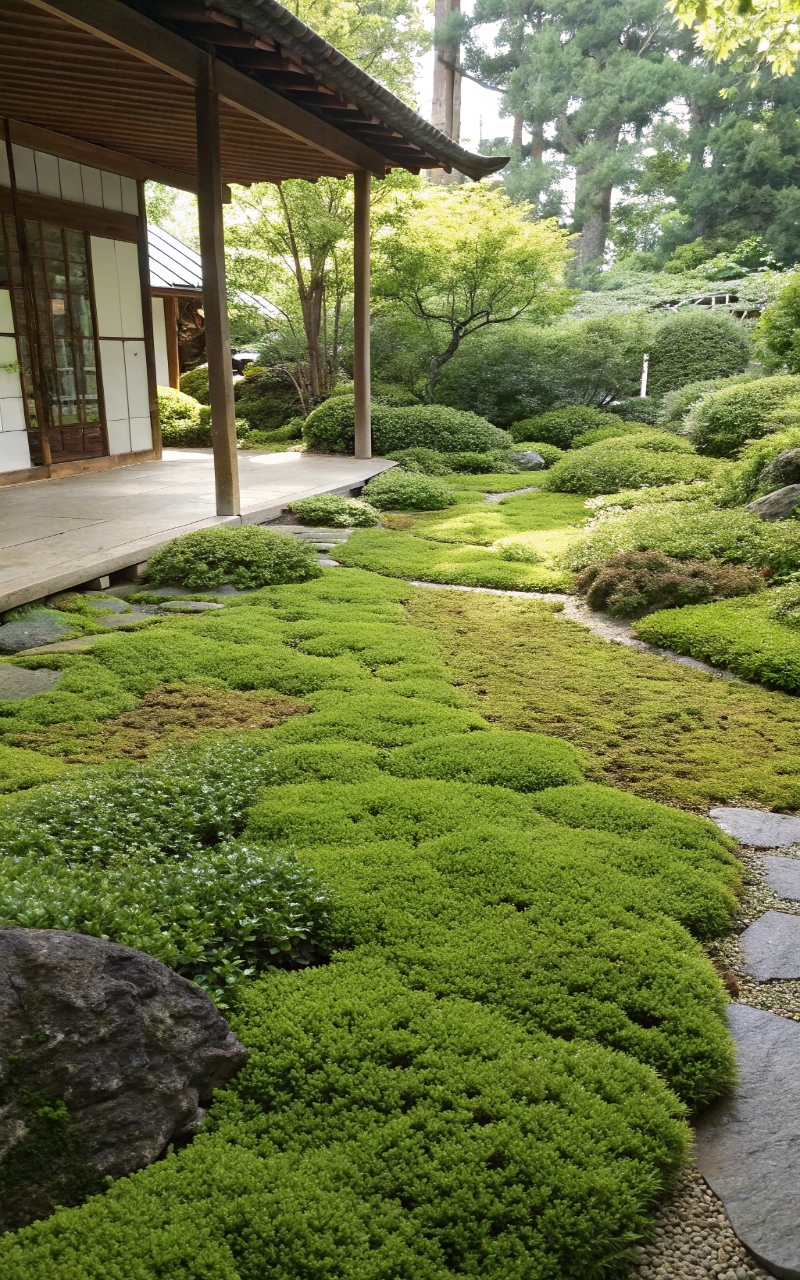
I planted ground cover in bare areas, and it helped slow down water movement while keeping moisture in the soil longer. The greenery spreads naturally, creating a soft, cohesive look. It reduces erosion and improves absorption at the same time. It’s low-maintenance and effective. It’s one of those small changes that makes a big difference. Pro Tip: Choose fast-growing varieties for quicker coverage.
Conclusion
Using rainwater in your garden shifts the way you think about both design and maintenance, turning something unpredictable into a reliable resource. Each of these ideas shows how small adjustments can help capture, guide, and store water in ways that actually benefit your plants. The result is a garden that feels more balanced, more efficient, and far less dependent on constant watering. As everything starts working together, the space becomes easier to care for without losing its beauty. That balance is where the real value comes in.
What makes these rain scaping ideas so effective is how adaptable they are, allowing you to start small and build gradually over time. You don’t need a full redesign to see results—just a few thoughtful changes can completely transform how your garden handles water. The combination of function and design creates a space that feels intentional and sustainable. It’s a practical approach that still leaves room for creativity. And once you see it in action, it’s hard not to appreciate how much it improves everything.
As you begin incorporating these ideas, you’ll start to notice how your garden responds differently to each rainfall. Water no longer feels wasted—it becomes part of the system, supporting growth and reducing effort. Take your time, observe what works, and adjust as needed. Before long, your garden will feel more self-sufficient, more resilient, and much easier to maintain. And that’s the kind of upgrade that truly makes a difference.